Cost of Living Crisis: Tradespeople Face Mounting Debt, Shifting Economic Landscape
The escalating cost of living crisis is forcing a significant shift in the operations of tradespeople, with over half reporting a surge in late payments. This economic strain is transforming roles from service provision to debt collection, highlighting a broader societal challenge. Businesses are grappling with client financial distress, leading to increased administrative burdens and, in some cases, legal action, underscoring the widespread impact on small and medium-sized enterprises.
The bedrock of any thriving economy lies in its small businesses and skilled tradespeople, the very individuals who keep our homes and infrastructure functioning. Yet, a silent crisis is sweeping through this vital sector, threatening its stability and redefining the daily realities of countless professionals. The escalating cost of living crisis has not only tightened household budgets but has also created a ripple effect, pushing tradespeople into an unforeseen and unwelcome role: that of debt collector.
A recent survey paints a stark picture: more than half of tradespeople in the UK have experienced a significant increase in late payments compared to just a year ago. This isn't merely an inconvenience; it's a fundamental shift that impacts cash flow, operational efficiency, and ultimately, the survival of these essential businesses. The days of simply quoting for a job, completing it, and receiving prompt payment are, for many, becoming a distant memory. Instead, a new, more arduous chapter has begun, characterized by persistent chasing, difficult conversations, and the emotional toll of financial uncertainty.
The Unseen Burden: From Craft to Collection
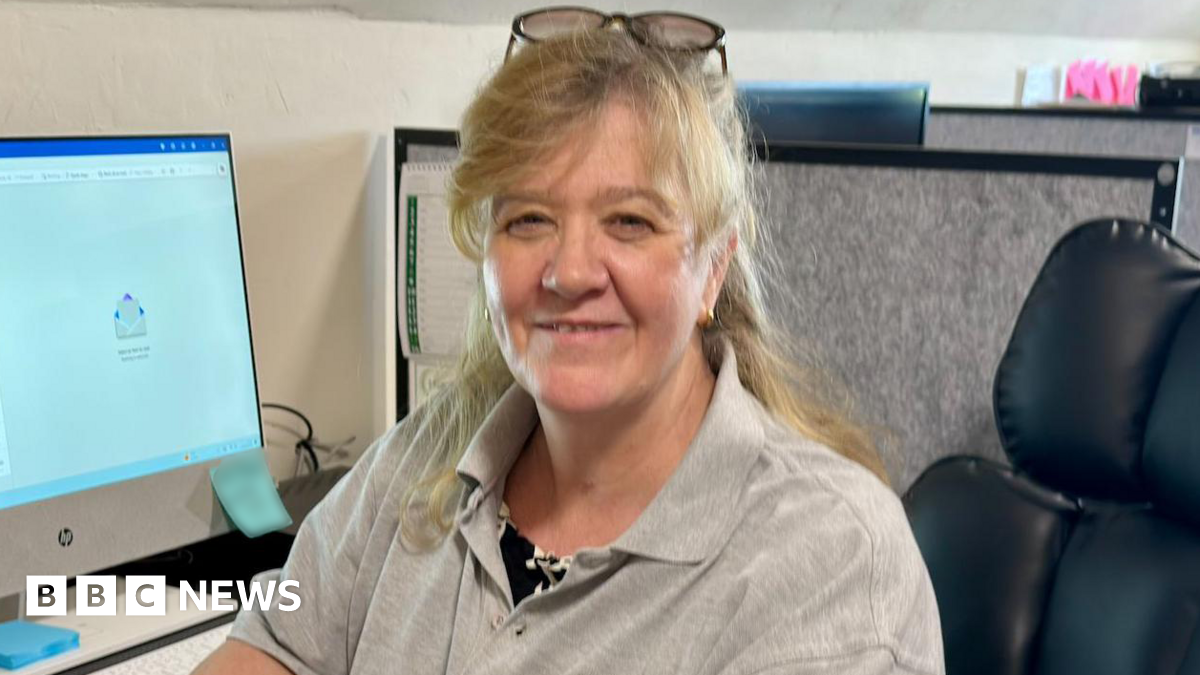
Consider the plight of someone like Angela Jeffery, an office manager whose role has dramatically transformed. What once involved scheduling, invoicing, and customer service now dedicates a substantial portion of her time to chasing outstanding debts and painstakingly working out payment plans for clients struggling to make ends meet. This isn't what she signed up for, nor is it what her company, Carmarthenshire-based J.G. Jeffreys & Son, specializes in. Their expertise lies in plumbing and heating, not financial recovery. Yet, the economic realities have forced their hand.
Angela's experience is far from isolated. It mirrors a widespread phenomenon where skilled professionals – plumbers, electricians, carpenters, builders – are finding their valuable time diverted from their craft to administrative tasks that directly impact their bottom line. The financial strain on customers is undeniable, driven by soaring inflation, rising energy costs, and stagnant wages. This creates a challenging dilemma for tradespeople: how to maintain good customer relations while also ensuring their own financial viability. The emotional burden is significant; nobody wants to confront a customer about money, especially when they understand the underlying struggles. However, the alternative – absorbing the loss – is often unsustainable for small businesses operating on tight margins.
The Domino Effect: Economic Strain on SMEs
This trend of delayed payments is not just a symptom of individual financial hardship; it's a critical indicator of broader economic fragility. Small and medium-sized enterprises (SMEs) are the backbone of most economies, contributing significantly to employment and GDP. When their cash flow is disrupted, the entire economic ecosystem feels the tremor. Late payments can lead to a cascade of problems for tradespeople:
* Reduced liquidity: Inability to pay suppliers, wages, or invest in new equipment. * Increased administrative costs: Time spent chasing debts is time not spent on billable work or business development. * Mental health impact: Stress and anxiety for business owners and their staff. * Business failure: In extreme cases, persistent non-payment can lead to insolvency.
Historically, economic downturns have always put pressure on payment cycles. However, the current crisis is unique in its confluence of factors, including post-pandemic supply chain issues, geopolitical instability impacting energy prices, and persistent inflationary pressures. The Bank of England, for instance, has been actively raising interest rates to combat inflation, which, while necessary, also increases the cost of borrowing for businesses and individuals, further exacerbating financial stress. This creates a vicious cycle where businesses are squeezed from both ends: rising operational costs and delayed income.
Navigating the Legal Labyrinth: Small Claims and Beyond
For some, the informal route of chasing payments eventually gives way to more formal measures. Angela Jeffery's firm, for example, has had to resort to the small claims court on two occasions to recover unpaid dues. While this offers a legal avenue for recourse, it is far from ideal. Small claims court processes can be time-consuming, emotionally draining, and still don't guarantee immediate payment, even if a judgment is secured. The legal fees, even for small claims, can also add to the financial burden, making it a last resort rather than a preferred solution.
This recourse to legal action highlights a breakdown in trust and an escalation of financial distress. It underscores the severity of the situation when businesses, often built on personal relationships and community ties, are forced to take legal steps against their own customers. The long-term implications for customer relationships and business reputation are also a concern, even if the immediate financial goal is achieved. It’s a delicate balance between asserting one's rights and maintaining goodwill in a competitive market.
The Path Forward: Adaptability and Support
So, what can be done to alleviate this growing crisis? For tradespeople, adapting business practices is becoming paramount. This includes:
* Clearer contracts and payment terms: Ensuring all terms are explicitly outlined and agreed upon upfront. * Upfront deposits: Requesting a percentage of the total cost before work commences. * Staged payments: Breaking down larger projects into smaller, more manageable payment milestones. * Utilizing technology: Implementing invoicing software with automated reminders. * Building emergency funds: Creating a financial buffer to withstand periods of delayed payments.
Beyond individual adaptations, there's a clear need for broader systemic support. Governments and financial institutions could explore initiatives such as guaranteed payment schemes for small businesses, accessible arbitration services to mediate disputes before they escalate to court, or educational resources for both businesses and consumers on financial management during challenging times. The role of trade associations also becomes crucial in advocating for their members and sharing best practices for debt recovery and financial resilience.
Looking ahead, the economic landscape is likely to remain challenging. While inflation may eventually cool, the scars of the current cost of living crisis will linger. For tradespeople, the ability to adapt, innovate, and seek support will be critical. The shift from solely focusing on one's craft to also mastering financial management and, at times, debt recovery, represents a profound evolution in their professional lives. Ensuring the continued health of this sector requires a concerted effort from all stakeholders – businesses, consumers, and policymakers – to navigate these turbulent waters and build a more resilient economic future.
Stay Informed
Get the world's most important stories delivered to your inbox.
No spam, unsubscribe anytime.
Comments
No comments yet. Be the first to share your thoughts!