Bitcoin's Volatility: CME Gaps, DeFi Exploits, and Macro Headwinds Shape Crypto's Future
Bitcoin experienced a significant pullback after a recent surge, driven by traders eyeing a CME futures gap and the fallout from a major DeFi exploit. Macroeconomic pressures further dampened sentiment across the crypto market, particularly affecting altcoins. This article delves into the complex interplay of technical indicators, security vulnerabilities, and global economic forces shaping the digital asset landscape.
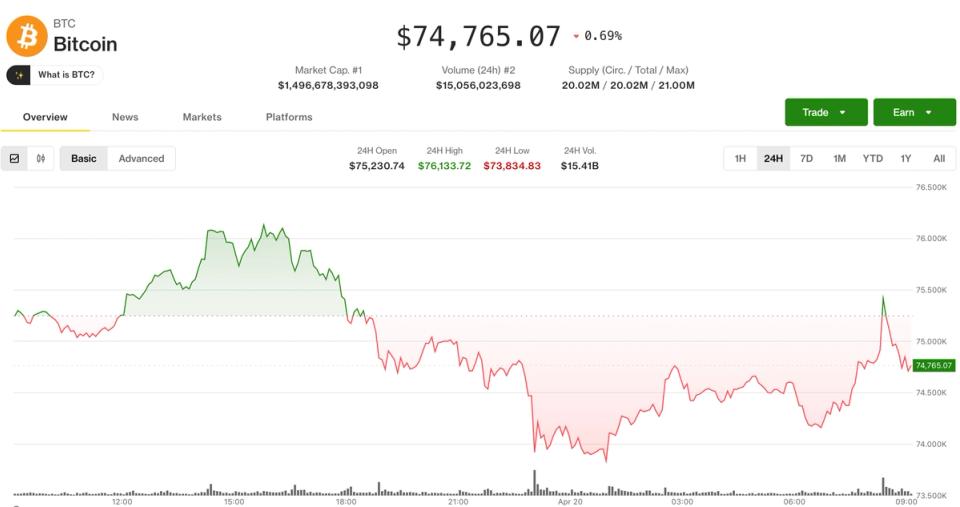
The cryptocurrency market, a realm often characterized by its exhilarating highs and precipitous lows, once again finds itself at a critical juncture. Following a period of robust gains, Bitcoin (BTC), the undisputed king of digital assets, experienced a notable pullback, sending ripples of uncertainty across the broader ecosystem. This latest downturn, occurring after a strong Friday surge, is not a singular event but rather a confluence of factors: the persistent influence of CME futures gaps, the destabilizing impact of a recent DeFi exploit, and the ever-present shadow of macroeconomic pressures.
The Enigma of CME Gaps: A Technical Pullback
For seasoned crypto traders, the term "CME gap" often signals a potential magnet for price action. The Chicago Mercantile Exchange (CME), a traditional financial powerhouse, offers Bitcoin futures contracts that trade during specific hours, unlike the 24/7 nature of spot crypto markets. When the CME market closes for the weekend or holidays, and Bitcoin's price moves significantly on other exchanges before CME reopens, a "gap" is created on the futures chart. Historically, Bitcoin has shown a tendency to "fill" these gaps, meaning its price often retraces to the level where the gap originated.
In the wake of Bitcoin's recent surge, traders were keenly observing a particular CME gap, anticipating a potential reversion. This technical indicator, while not a guarantee, often acts as a self-fulfilling prophecy as a critical mass of traders position themselves accordingly. The recent pullback aligns with this pattern, suggesting that a significant portion of the market was either taking profits or shorting in anticipation of the gap being filled. This behavior underscores the growing maturity of the crypto market, where traditional financial analysis tools are increasingly applied to digital assets.
DeFi Under Siege: The Exploit's Ripple Effect on Altcoins
While Bitcoin grappled with technical corrections, the decentralized finance (DeFi) sector faced a more insidious threat: a major exploit that sent shockwaves through the altcoin market. DeFi, heralded as the future of finance, relies on smart contracts and open protocols to offer services like lending, borrowing, and trading without intermediaries. However, this innovative architecture also presents new attack vectors for malicious actors.
Details of the exploit, which targeted a prominent DeFi protocol, are still emerging, but the immediate impact was clear: a significant loss of funds and a sharp decline in the value of associated altcoins. Such incidents erode investor confidence, particularly among those new to the space. They highlight the inherent risks associated with nascent technologies and the critical need for robust security audits and decentralized governance mechanisms. The fallout from these exploits often extends beyond the directly affected protocol, leading to a broader sell-off in the altcoin market as investors become risk-averse, fearing similar vulnerabilities in other projects.
* Impact on Trust: Each exploit diminishes trust in the security of DeFi protocols. * Liquidity Drain: Investors often withdraw funds from similar protocols, leading to liquidity issues. * Regulatory Scrutiny: Increased exploits inevitably invite stricter regulatory oversight, potentially stifling innovation.
Macroeconomic Headwinds: The Unseen Hand
Beyond the internal dynamics of the crypto market, broader macroeconomic forces continue to exert significant influence. Global inflation concerns, rising interest rates, and geopolitical tensions collectively contribute to a risk-off sentiment that impacts all asset classes, including cryptocurrencies. When central banks signal tighter monetary policies, investors tend to shift away from riskier assets like Bitcoin and altcoins towards safer havens such as government bonds or cash.
Recent statements from central bank officials regarding persistent inflation and the potential for further rate hikes have undoubtedly played a role in dampening market enthusiasm. The correlation between Bitcoin and traditional financial markets, particularly the tech-heavy Nasdaq 100, has grown stronger over time. This means that when traditional markets falter due to macro concerns, crypto often follows suit. The narrative of Bitcoin as an uncorrelated inflation hedge has been challenged in recent cycles, suggesting it is not immune to the broader economic climate.
The Road Ahead: Navigating Volatility and Innovation
The current market conditions underscore the complex and multifaceted nature of the cryptocurrency ecosystem. While technical indicators like CME gaps provide short-term trading signals, and security exploits remind us of the nascent stage of DeFi, the overarching macroeconomic environment remains a dominant force. For investors, this period demands a nuanced approach, combining a deep understanding of on-chain metrics with a keen awareness of global economic trends.
Looking forward, the resilience of the crypto market will be tested. The ability of DeFi protocols to enhance their security and regain investor trust will be crucial for their long-term viability. Similarly, Bitcoin's path will likely continue to be influenced by the global economic narrative, particularly as central banks navigate the delicate balance between controlling inflation and fostering growth. Despite the current turbulence, the underlying innovation in blockchain technology and decentralized applications continues unabated, promising a future where digital assets play an increasingly integral role in the global financial landscape. The question remains not if, but how, these forces will ultimately shape the next chapter of crypto's evolution.
Stay Informed
Get the world's most important stories delivered to your inbox.
No spam, unsubscribe anytime.
Comments
No comments yet. Be the first to share your thoughts!