Blackmagic Camera 3.3: iPhone Filmmaking Reaches New Heights with Apple Watch Control and ATEM Integration
Blackmagic Design's latest update to its Camera app for iOS, version 3.3, is set to revolutionize mobile filmmaking. Introducing Apple Watch control, enhanced ATEM switcher integration, and support for professional focus and zoom demands, the update transforms the iPhone into an even more powerful tool for professional video production. This advancement bridges the gap between consumer devices and high-end studio workflows, offering unprecedented flexibility and control for creators.
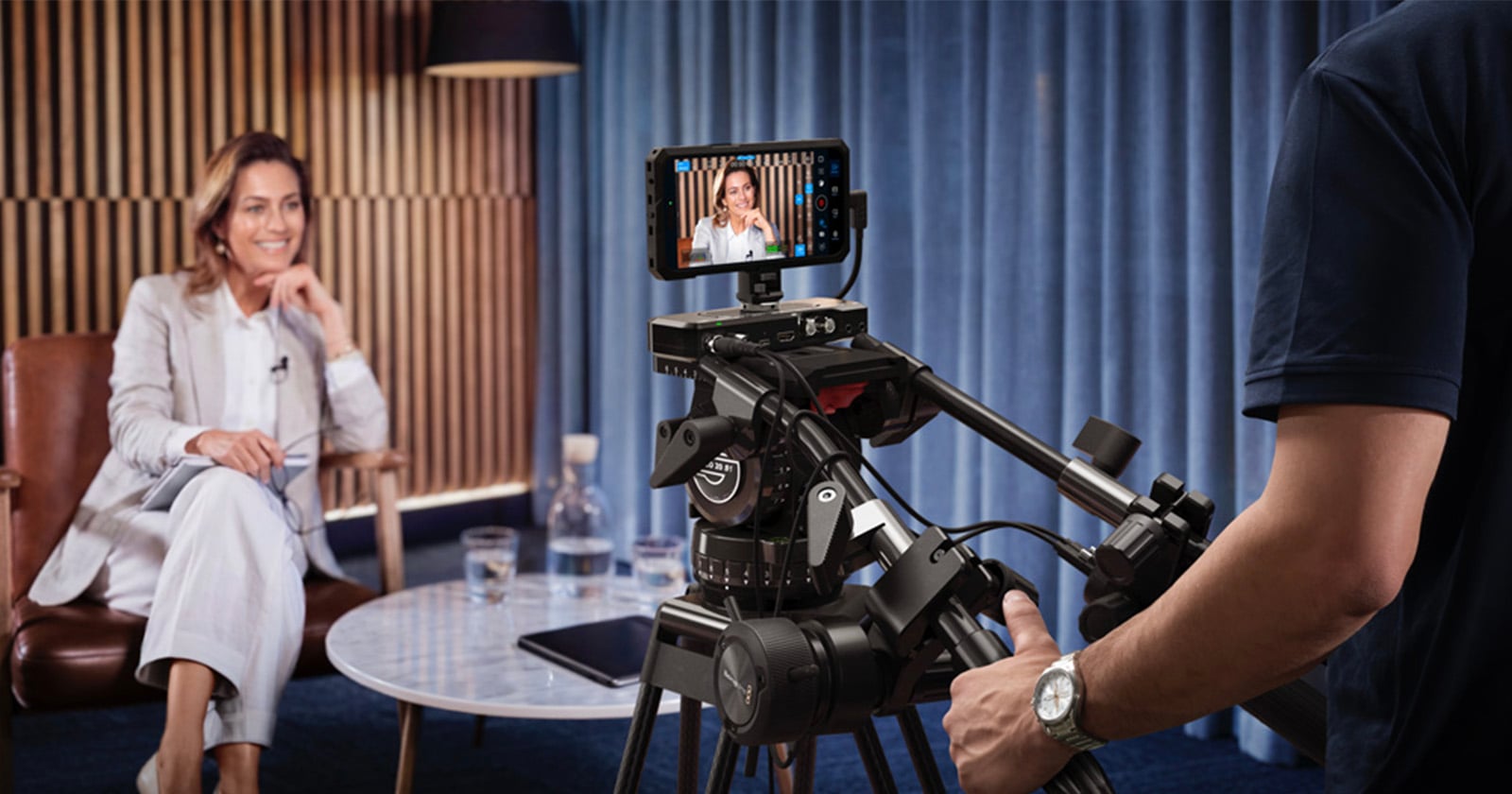
In an era where the lines between professional and consumer technology are increasingly blurred, Blackmagic Design continues to push the boundaries of what's possible with mobile devices. Their latest update, Blackmagic Camera for iOS version 3.3, isn't just an incremental improvement; it's a paradigm shift for iPhone-based video production, introducing features that were once the exclusive domain of high-end cinema cameras and dedicated studio setups. The headline feature, Apple Watch control, coupled with deeper ATEM switcher integration and support for Focus and Zoom Demands, elevates the iPhone from a capable mobile camera to a serious contender in professional workflows.
The Dawn of Wearable Camera Control
The most striking addition in version 3.3 is undoubtedly the ability to control the Blackmagic Camera app directly from an Apple Watch. Imagine a scenario on set: a director needs to adjust exposure or start recording without touching the camera, perhaps because it's mounted in an inaccessible location or to avoid introducing camera shake. With the Apple Watch integration, this becomes a seamless reality. Users can now remotely trigger recording, adjust critical exposure settings like ISO, shutter angle, and white balance, and even cycle through presets—all from their wrist. This level of remote control is not just a convenience; it's a game-changer for solo operators, documentary filmmakers, and productions requiring discreet or complex camera placements. It democratizes advanced camera control, making professional-grade functionality accessible to a broader range of creators. Historically, remote camera control required bulky, proprietary systems or complex wireless setups. Blackmagic's approach leverages existing consumer technology, making it intuitive and cost-effective.
Seamless Integration with ATEM Switchers: A Studio in Your Pocket
Beyond wearable control, Blackmagic Camera 3.3 significantly enhances its integration with Blackmagic Design's popular ATEM production switchers. This update allows the iPhone to function as a fully integrated camera source within a live multi-camera production environment. Previously, connecting an iPhone to an ATEM switcher might have involved workarounds or limited functionality. Now, the app supports Blackmagic Cloud Live Sync, enabling direct streaming to Blackmagic Cloud and facilitating real-time collaboration. More importantly, the ATEM integration means that a technical director can remotely control multiple iPhone cameras from the switcher's interface, adjusting color correction, tally lights, and even triggering recording across all connected devices. This is particularly impactful for live events, corporate presentations, and educational broadcasting, where the flexibility and cost-effectiveness of using iPhones as high-quality camera sources can be immense. The ability to manage multiple iPhones as part of a cohesive studio setup underscores Blackmagic's vision of creating an integrated ecosystem where every piece of hardware and software works in harmony.
Precision Control: Focus and Zoom Demands for Cinematic Workflows
For serious cinematographers and studio professionals, the introduction of support for Focus and Zoom Demands is a monumental step. These are external controllers, typically used with high-end cinema lenses, that allow for precise, smooth adjustments of focus and zoom during a shot. While the iPhone's native lenses offer impressive quality, the ability to connect external demands via USB-C opens up possibilities for more controlled, cinematic movements. This feature is crucial for: * Pulling focus with accuracy, essential for dramatic storytelling. * Executing smooth, consistent zooms without jarring movements. * Integrating the iPhone into existing studio-style workflows where precise control over lens parameters is paramount.
This move signals Blackmagic's commitment to bridging the gap between mobile capture and traditional cinema production. It acknowledges that while the iPhone's sensor and processing power are formidable, the physical act of controlling a lens still benefits from dedicated hardware. By supporting these demands, Blackmagic is effectively allowing the iPhone to be treated as a more traditional cinema camera, enhancing its utility in professional settings where tactile control and repeatable movements are critical.
The Broader Implications: Democratizing Professional Video
Blackmagic Camera 3.3 is more than just an app update; it's a statement about the future of video production. By empowering the iPhone with such advanced capabilities, Blackmagic Design is further democratizing access to professional-grade tools. This has several profound implications:
* Lowering Entry Barriers: Aspiring filmmakers and content creators can now achieve professional results with equipment that is significantly more affordable and accessible than traditional cinema cameras. The iPhone, already a ubiquitous device, becomes a powerful production tool. * Increased Flexibility and Mobility: The compact size and portability of the iPhone, combined with these new control options, enable filmmakers to capture footage in locations and situations that would be impossible or impractical with larger camera setups. Think about stealthy street photography, extreme sports, or complex aerial shots. * Innovation in Live Production: The enhanced ATEM integration could spur new forms of live content creation, allowing for high-quality, multi-camera setups with minimal footprint and cost. * Ecosystem Synergy: Blackmagic Design is not just selling an app; they are cultivating an ecosystem. By making their camera app work seamlessly with their hardware (ATEM switchers, DaVinci Resolve for post-production), they are creating a compelling end-to-end solution for creators.
Conclusion: The iPhone's Cinematic Future is Now
Blackmagic Camera for iOS 3.3 represents a significant leap forward in mobile filmmaking. The introduction of Apple Watch control, advanced ATEM integration, and support for Focus and Zoom Demands transforms the iPhone into an even more versatile and powerful tool for professional video production. This update doesn't just add features; it fundamentally redefines the role of the smartphone in the creative workflow, blurring the lines between consumer convenience and professional necessity. As technology continues to evolve, we can expect to see even more sophisticated capabilities emerge, further solidifying the iPhone's position as a legitimate and formidable device in the hands of filmmakers worldwide. The future of cinema, it seems, is increasingly fitting into our pockets, ready to capture stories with unprecedented control and quality.
Stay Informed
Get the world's most important stories delivered to your inbox.
No spam, unsubscribe anytime.
Comments
No comments yet. Be the first to share your thoughts!