Bomb Threat Disrupts Vintage Computer Festival East: A Community Under Siege
A retro computing panel at the Vintage Computer Festival East was abruptly halted by a credible bomb threat, forcing an immediate evacuation and early closure of the event. This incident sent shockwaves through the tight-knit vintage computing community, raising concerns about event security and the vulnerability of public gatherings. The disruption highlights a growing trend of online malice spilling into real-world events, impacting enthusiasts and organizers alike.
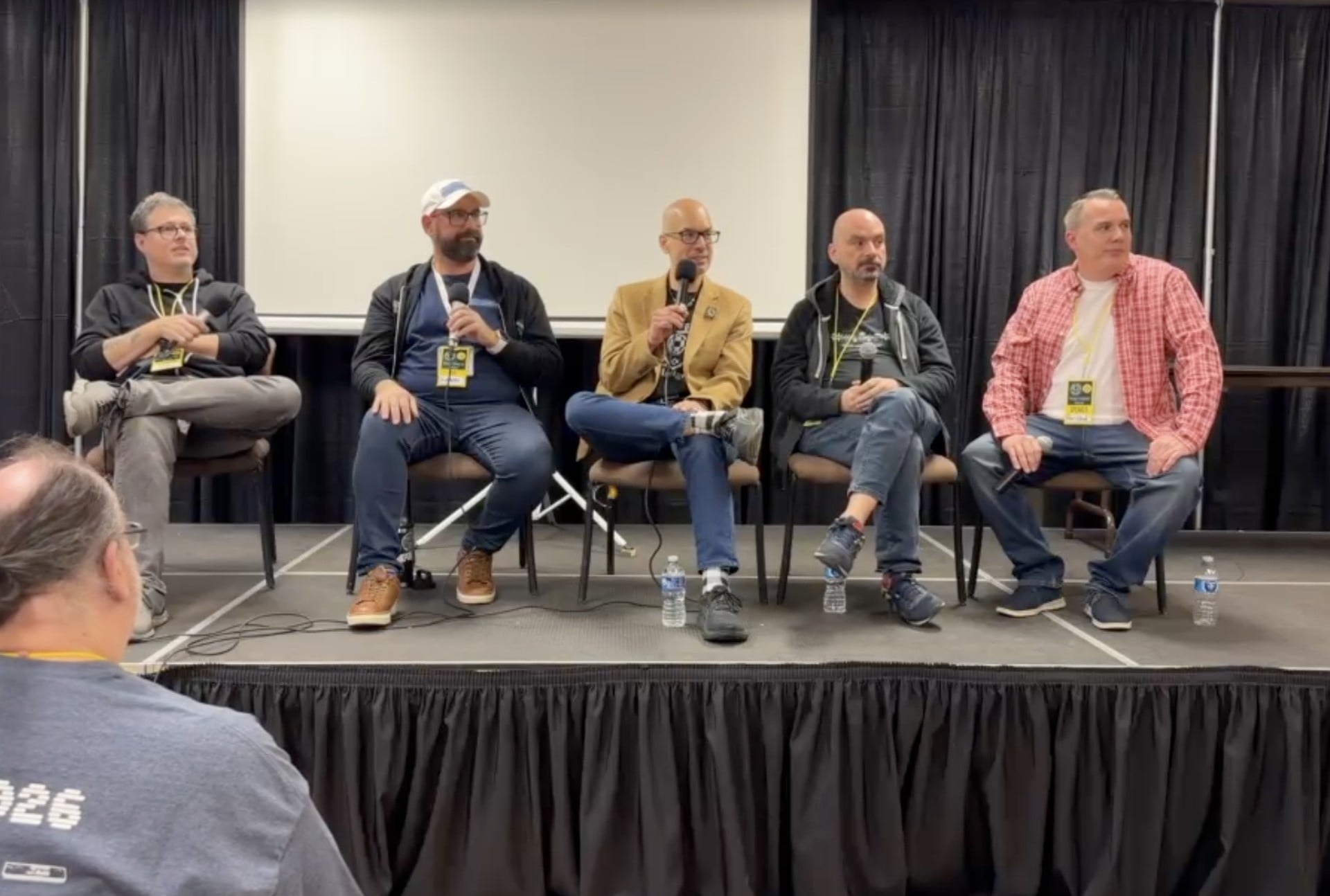
The vibrant hum of vintage processors, the nostalgic glow of CRT screens, and the enthusiastic chatter of a passionate community – these were the hallmarks of the Vintage Computer Festival East (VCF East) until a chilling announcement shattered the atmosphere. A retro computing panel, featuring prominent YouTubers and podcasters, was abruptly interrupted by a credible bomb threat, forcing an immediate evacuation and bringing the beloved event to an early, unsettling close. The incident, captured live by streamer Bill "AmigaBill" Winters, sent shockwaves through the tight-knit community, leaving attendees and organizers grappling with the abrupt end to their annual celebration of digital history.
The Unfolding Drama: From Pixels to Panic
The panel, a highly anticipated segment of VCF East, was in full swing, celebrating the legacy of classic computing machines and the culture surrounding them. Participants like AmigaBill, known for his deep dives into retro hardware, were engaging with an eager audience, sharing insights and anecdotes. Then, without warning, the digital camaraderie gave way to real-world alarm. The live stream, a window into the event for countless enthusiasts worldwide, suddenly showed an urgent message: a bomb threat had been received, and the venue needed to be evacuated immediately. The swift, decisive action by event security and law enforcement underscored the seriousness of the threat, transforming a nostalgic gathering into a scene of urgent dispersal.
The immediate aftermath was a mix of confusion and concern. Attendees, many of whom had traveled significant distances to participate, found themselves outside the venue, their plans for the weekend curtailed. The abruptness of the closure left many feeling a profound sense of disappointment, overshadowed by the underlying anxiety of the threat itself. For an event built on shared passion and community spirit, the intrusion of such a malicious act felt particularly jarring, a stark reminder of the vulnerabilities inherent in public gatherings, even those focused on seemingly innocuous hobbies.
The Broader Implications: Security in the Digital Age
This incident at VCF East is not an isolated occurrence but rather a symptom of a broader, troubling trend. In an increasingly interconnected world, the lines between online discourse and real-world consequences are blurring. Events, particularly those with a significant online presence or featuring well-known personalities, are becoming targets for various forms of disruption, ranging from swatting incidents to direct threats. The ease with which anonymous threats can be made, coupled with the imperative for event organizers to prioritize safety, creates a challenging environment.
For the retro computing community, which thrives on in-person meetups, conferences, and festivals, this raises critical questions about future event planning. How do organizers balance accessibility and community spirit with heightened security needs? What measures can be put in place to deter such threats, and how can they be effectively managed when they do occur? The financial and logistical burdens of enhanced security, including professional security personnel, metal detectors, and comprehensive bag checks, can be substantial, potentially impacting the affordability and character of grassroots events.
A Community's Resilience and the Path Forward
Despite the unsettling conclusion to VCF East, the response from the retro computing community has been largely one of resilience and solidarity. Social media channels, initially filled with updates and concerns, quickly pivoted to messages of support for organizers and fellow attendees. There's a palpable sense that such malicious acts, while disruptive, will not extinguish the passion that drives this unique subculture. Indeed, the shared experience of adversity often strengthens community bonds, fostering a collective resolve to overcome challenges.
Organizers of VCF East and similar events will undoubtedly undertake a thorough review of their security protocols. This might involve closer collaboration with local law enforcement, investing in advanced threat assessment technologies, and developing clearer communication strategies for emergencies. The incident serves as a stark reminder that even niche events, far removed from mainstream political or social controversies, are not immune to the darker aspects of online culture.
The Enduring Appeal of Retro Computing
The Vintage Computer Festival East, like its counterparts worldwide, is more than just a convention; it's a living museum, a workshop, and a social hub for individuals fascinated by the origins and evolution of computing. From the early mainframes to the iconic home computers of the 80s and 90s, these events celebrate the ingenuity that laid the foundation for our modern digital world. Attendees range from seasoned engineers who worked on these machines to young enthusiasts discovering the magic of a floppy disk for the first time. The community fosters learning, preservation, and a deep appreciation for technological history.
Statistics show a growing interest in retro tech, with online communities for vintage computing boasting hundreds of thousands of members across platforms like YouTube, Reddit, and dedicated forums. The market for vintage hardware continues to thrive, driven by collectors, restorers, and those seeking a tangible connection to computing's past. This enduring appeal underscores the importance of events like VCF East, making their continued, safe operation paramount. The bomb threat, while a serious blow, will likely serve as a catalyst for strengthening the community's resolve and improving security measures, ensuring that the legacy of vintage computing continues to inspire future generations, free from fear and disruption.
Stay Informed
Get the world's most important stories delivered to your inbox.
No spam, unsubscribe anytime.
Comments
No comments yet. Be the first to share your thoughts!