Bose's Bold Return: Can the Lifestyle Ultra Speaker Challenge Sonos's Smart Home Dominance?
Bose is making a significant re-entry into the smart speaker arena with its new Lifestyle Ultra Speaker, priced at $299. Designed to directly challenge the popular Sonos Era 100, this new device boasts a three-driver array with up-firing TrueSpatial processing for immersive sound. However, its notable omission of room correction technology at launch raises questions about its immediate competitive edge. This article delves into Bose's strategy, the speaker's features, and its potential impact on the high-fidelity smart speaker market.
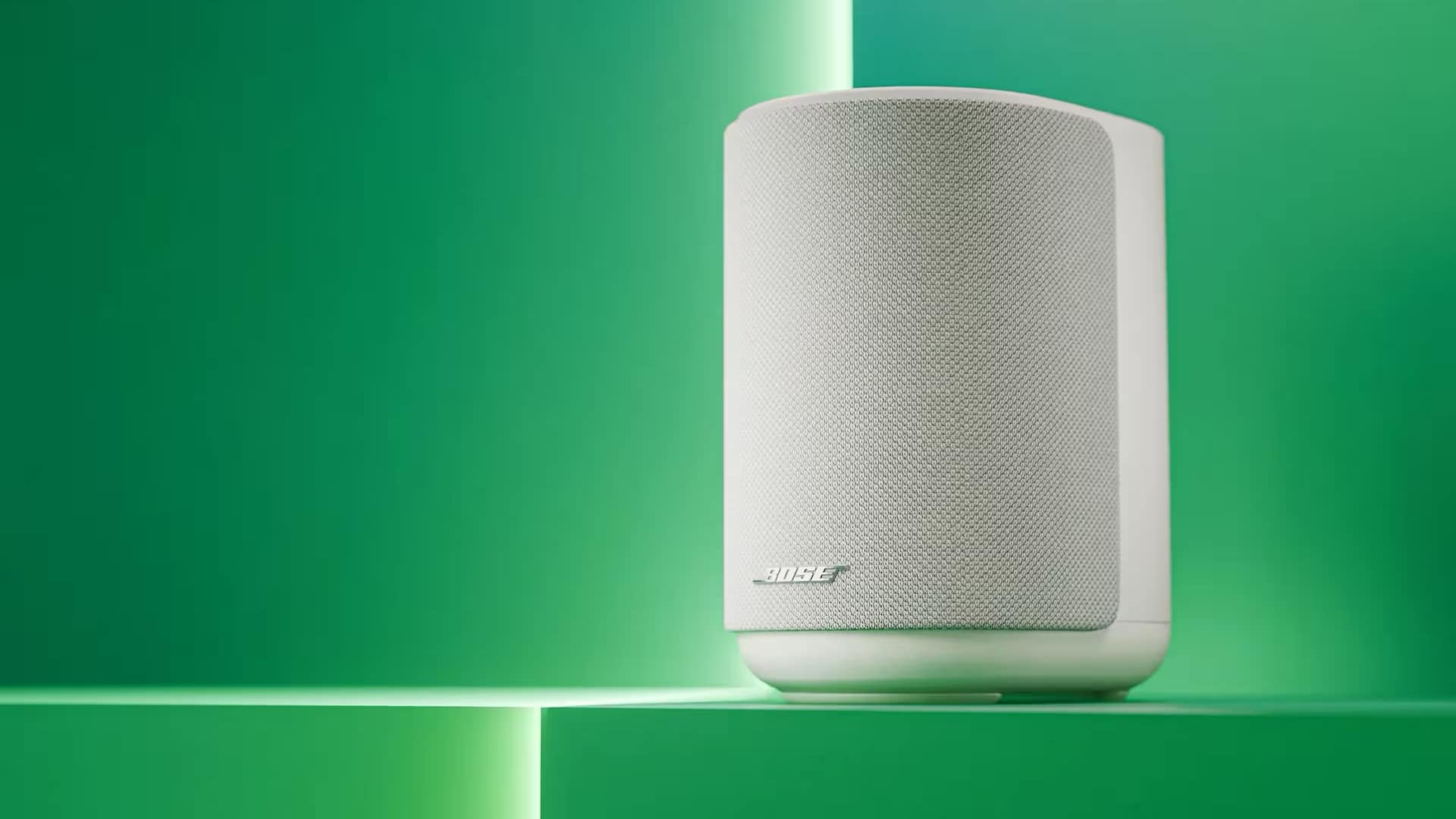
The smart speaker market, long dominated by a few key players, is witnessing a resurgence from an old guard. Bose, a name synonymous with premium audio, has thrown its hat back into the ring with the launch of the Lifestyle Ultra Speaker. Priced at a competitive $299, this new entrant is not just another smart speaker; it's a direct challenge to the reigning champion, the Sonos Era 100, and a statement of intent from a brand looking to reclaim its innovative edge. But can Bose truly disrupt the established order, especially with a curious omission at its core?
For years, Bose has been a household name, renowned for its noise-cancelling headphones and high-quality sound systems. However, its presence in the burgeoning smart speaker segment has been somewhat subdued, allowing competitors like Sonos to carve out significant market share. The Lifestyle Ultra Speaker marks a decisive move to change that narrative, positioning itself as a premium yet accessible option for audiophiles and casual listeners alike. Its introduction is part of a broader "Lifestyle Collection," which also includes the Lifestyle Ultra Soundbar, signaling a comprehensive strategy to integrate Bose's signature sound into modern home entertainment ecosystems.
A Deep Dive into the Lifestyle Ultra Speaker's Design and Technology
At the heart of the Lifestyle Ultra Speaker's appeal is its three-driver array complemented by up-firing TrueSpatial processing. This configuration is designed to deliver a more expansive and immersive soundstage, aiming to fill rooms with rich, detailed audio. The up-firing driver, in particular, suggests an ambition to create a sense of verticality and spaciousness, often a hallmark of more advanced home theater setups. Early listeners have reportedly been impressed by the speaker's ability to project sound, creating a surprisingly wide sound field for its compact size.
Bose's proprietary TrueSpatial technology is likely a key differentiator, aiming to optimize sound dispersion and create a more uniform listening experience regardless of the listener's position in the room. This focus on spatial audio is becoming increasingly important in the smart speaker market, as consumers seek more cinematic and engaging audio experiences from their standalone devices. The speaker's design, often a blend of minimalist aesthetics and robust build quality, is expected to align with Bose's premium brand image, making it an attractive addition to contemporary living spaces.
The Elephant in the Room: The Absence of Room Correction
Perhaps the most surprising aspect of the Lifestyle Ultra Speaker's launch is the absence of room correction technology. In an era where competitors like Sonos, Apple (with its HomePod), and even Amazon (with certain Echo models) integrate sophisticated room-tuning capabilities to optimize sound based on acoustic environments, Bose's decision to omit this feature is perplexing. Room correction dynamically adjusts the speaker's output to compensate for reflections, absorption, and other acoustic anomalies caused by furniture, walls, and room shape, ensuring the best possible sound quality.
This omission could be a significant hurdle for Bose in its quest to unseat the Sonos Era 100, which boasts its own Trueplay tuning. While Bose's TrueSpatial processing aims to create an immersive sound, the lack of room-specific calibration might limit its performance in diverse environments. It raises questions about whether Bose believes its inherent acoustic design is sufficient, or if room correction will be introduced via a future software update. For a company known for its meticulous engineering, this oversight feels uncharacteristic and could be a point of contention for discerning audiophiles.
Competing in a Crowded Market: The Sonos Challenge
The smart speaker market is fiercely competitive, with established giants and nimble startups vying for consumer attention. Sonos, in particular, has built a formidable ecosystem, known for its multi-room audio capabilities, ease of use, and consistent sound quality across its product line. The Sonos Era 100, the direct target of the Lifestyle Ultra Speaker, is a highly regarded device, praised for its balanced sound profile and seamless integration into the Sonos ecosystem. Its Trueplay tuning further enhances its appeal, offering optimized sound tailored to each room.
Bose's strategy appears to be twofold: leveraging its brand prestige and offering a distinct sound signature. While the $299 price point places it squarely against the Era 100, Bose will need more than just good sound to win over Sonos loyalists. The appeal of an integrated ecosystem, robust app control, and continuous software updates are critical factors. Bose's existing app infrastructure and potential for integration with other Bose products will be crucial in building a compelling alternative ecosystem. The success will hinge not just on initial sound quality, but on the long-term user experience and ecosystem development.
The Future of Smart Audio and Bose's Position
The smart audio landscape is constantly evolving, with increasing demand for high-resolution audio, spatial sound, and seamless smart home integration. Voice assistants, while not explicitly detailed for the Lifestyle Ultra Speaker, are a de facto standard in this category, and Bose will need to ensure robust support for platforms like Amazon Alexa or Google Assistant, or offer a compelling proprietary alternative. The trend towards more personalized and adaptive audio experiences means that features like room correction are becoming less of a luxury and more of an expectation.
Bose's re-entry with the Lifestyle Ultra Speaker is a bold move, signaling its intent to be a major player in the future of home audio. While the initial omission of room correction is a head-scratcher, it doesn't necessarily doom the product. If Bose can deliver on its promise of superior sound quality through its TrueSpatial processing and provide a compelling user experience, it could still carve out a significant niche. The coming months will reveal whether the Lifestyle Ultra Speaker is a true Sonos killer or simply another strong contender in a market hungry for innovation. Its success will depend on its ability to evolve, adapt, and ultimately, deliver an unparalleled listening experience that justifies its premium branding and price point.
Stay Informed
Get the world's most important stories delivered to your inbox.
No spam, unsubscribe anytime.
Comments
No comments yet. Be the first to share your thoughts!