Motorola Razr 2026: Unpacking the Future of Foldable Charging Speeds
Motorola's 2026 Razr lineup is poised to redefine foldable smartphone charging, offering a tiered approach to power delivery. From the standard Razr's 30W wired charging to the Razr Ultra's blazing 68W, these devices promise rapid top-ups. This article delves into the technological advancements, market implications, and user experience enhancements brought by these significant charging upgrades, ensuring users stay powered in a fast-paced world.
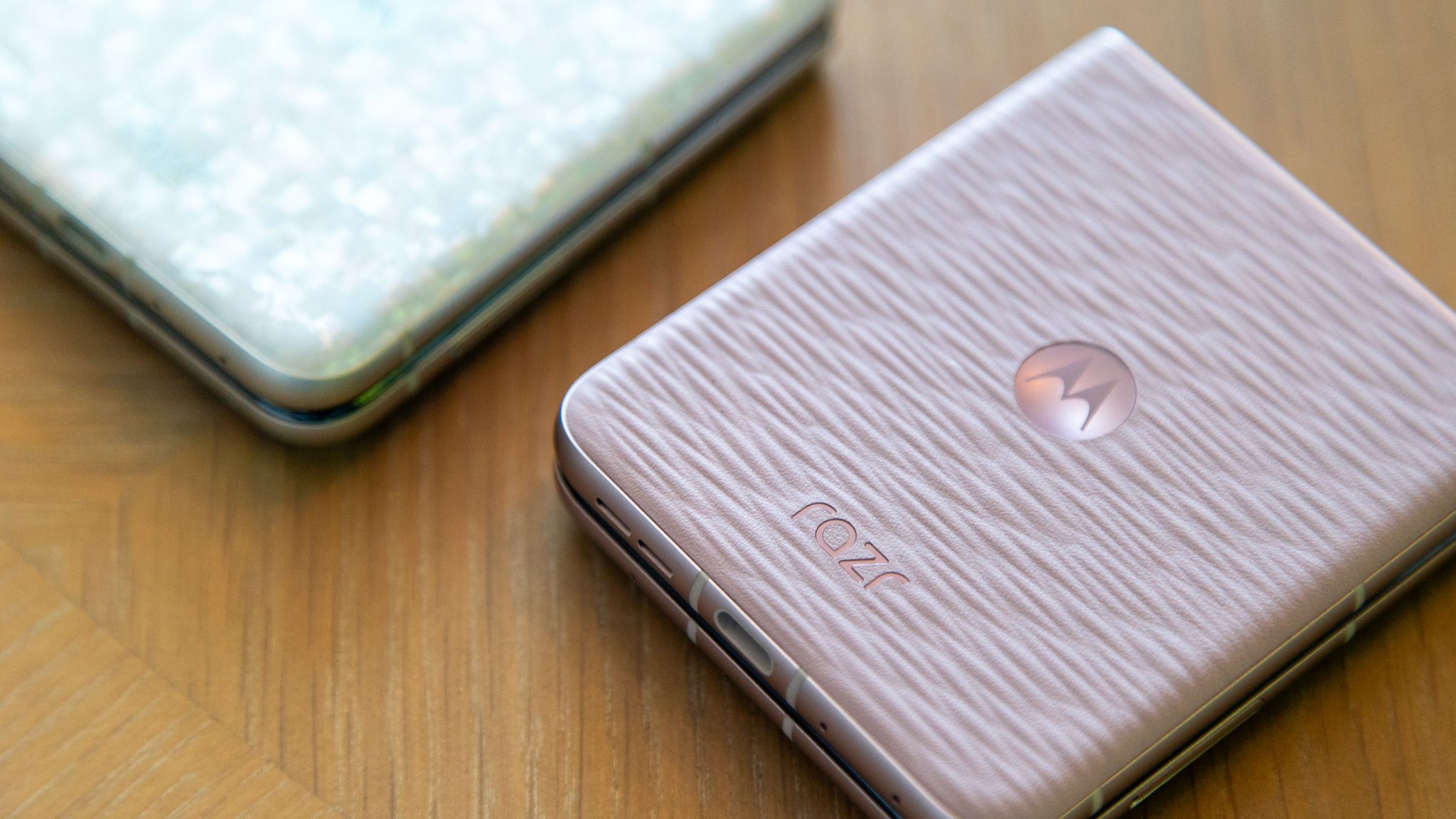
In the rapidly evolving landscape of mobile technology, where every millisecond counts and battery life remains a perpetual concern, Motorola is once again pushing the boundaries with its 2026 Razr lineup. Far from being mere aesthetic upgrades, the new Razr series—comprising the standard Razr, Razr Plus, and the premium Razr Ultra—is set to revolutionize how users perceive and interact with their foldable devices, particularly concerning charging speeds. This isn't just about bigger batteries; it's about smarter, faster, and more efficient power delivery, ensuring that these cutting-edge foldables are always ready for action.
The Need for Speed: Why Charging Matters More Than Ever
The modern smartphone user demands instant gratification. From streaming high-definition content to engaging in graphically intensive gaming or managing complex work tasks on the go, our devices are constantly under strain. This intensive usage inevitably leads to rapid battery depletion, making the speed at which a device can be recharged a critical factor in user satisfaction and overall device utility. For foldable phones, which often pack advanced screens and intricate hinge mechanisms, optimizing power consumption and replenishment is even more crucial. Motorola's strategic focus on enhanced charging speeds for the Razr 2026 series directly addresses this fundamental user need, positioning them competitively in a market where every watt counts.
Historically, early foldable phones, while innovative in form factor, sometimes lagged in battery capacity and charging efficiency compared to their slab counterparts. This often led to a trade-off: portability and novelty versus sustained power. The Razr 2026 line-up signals a clear departure from this compromise, demonstrating that users can indeed have the best of both worlds. The integration of advanced charging technologies underscores a broader industry trend towards minimizing downtime and maximizing device availability, reflecting a lifestyle where connectivity is paramount.
A Tiered Approach to Power: Breaking Down the Razr 2026 Lineup
Motorola has adopted a thoughtful, tiered strategy for its 2026 Razr series, ensuring that each model caters to different user expectations and price points while still delivering significant charging improvements across the board. This approach allows consumers to choose a device that aligns with their specific power needs and budget, without sacrificing the core foldable experience.
* Motorola Razr 2026: The base model sets a respectable standard with 30W wired charging and 15W wireless charging. This configuration ensures that even the entry-level foldable can be topped up quickly, offering a substantial upgrade over many previous generation devices. For the average user, 30W wired charging means a significant portion of the battery can be replenished in a remarkably short period, making it ideal for quick boosts before heading out.
* Motorola Razr Plus 2026: Stepping up the ladder, the Razr Plus 2026 elevates the wired charging experience to 45W, while maintaining 15W wireless charging. This 50% increase in wired charging speed over the base model is a game-changer for power users who frequently find themselves needing rapid recharges. The consistent 15W wireless charging across the lower two models suggests a focus on providing a reliable, convenient wireless option without necessarily pushing the absolute limits in this domain.
* Motorola Razr Ultra 2026: At the pinnacle of the lineup, the Razr Ultra 2026 truly shines with an impressive 68W wired charging capability and a robust 30W wireless charging. The 68W wired charging is particularly noteworthy, placing it among the fastest charging smartphones on the market, capable of delivering a full charge in an astonishingly brief timeframe. The doubling of wireless charging speed to 30W also caters to users who prioritize cable-free convenience without compromising significantly on speed. Furthermore, the Razr Ultra 2026 introduces 5W reverse wireless charging, a highly practical feature allowing users to share power with accessories like earbuds or even other compatible smartphones, transforming the device into a portable power bank.
These figures are not just numbers; they represent a tangible improvement in user experience. Imagine being able to get hours of usage from just a few minutes of charging before a crucial meeting or a long commute. This is the promise that Motorola is delivering.
The Technology Behind the Watts: Innovations in Power Delivery
Achieving such high charging speeds safely and efficiently requires sophisticated engineering. It's not simply a matter of increasing voltage; it involves a complex interplay of battery chemistry, thermal management, and smart charging protocols. Motorola likely employs advanced battery management systems (BMS) that monitor temperature, voltage, and current in real-time, preventing overheating and extending battery longevity. Technologies like Power Delivery (PD) and proprietary fast-charging standards are crucial enablers, ensuring compatibility with a wide range of chargers while optimizing power transfer.
Wireless charging, particularly at 30W, also demands advanced coil designs and precise alignment mechanisms to minimize energy loss and heat generation. The inclusion of reverse wireless charging further highlights Motorola's commitment to versatility and user convenience, turning the smartphone into a central hub for personal electronics. These technological advancements collectively contribute to a more robust, reliable, and user-friendly charging ecosystem.
Market Implications and User Experience
The Razr 2026's charging capabilities are set to have significant market implications. In a highly competitive smartphone arena, differentiating factors beyond screen size and camera megapixels are increasingly vital. Rapid charging can be a powerful selling point, especially for users who are constantly on the move and cannot afford long charging times. It positions Motorola as a leader in practical innovation, directly addressing a pain point that many smartphone users experience daily.
For the user, the benefits are clear: less time tethered to an outlet, more freedom, and reduced battery anxiety. The tiered charging speeds also mean that Motorola is catering to a broader audience, from those who need a reliable daily driver to power users who demand the absolute best in performance and convenience. The inclusion of reverse wireless charging on the Ultra model adds another layer of utility, making the device an even more indispensable tool in a connected world.
This move by Motorola also puts pressure on competitors in the foldable space to match or exceed these charging standards. As foldables become more mainstream, features like fast charging will transition from being premium differentiators to expected functionalities. This competitive push ultimately benefits consumers, driving further innovation across the industry.
The Future is Fast: A Forward-Looking Perspective
The Motorola Razr 2026 lineup, with its impressive charging speeds, represents more than just an incremental upgrade; it signifies a maturing of the foldable smartphone category. By addressing fundamental concerns like battery life and charging efficiency, Motorola is making these innovative devices more practical and appealing to a wider audience. As we look to the future, we can anticipate even greater advancements in battery technology and charging protocols, potentially leading to even higher wattages, more efficient wireless charging, and perhaps even novel energy harvesting methods.
For now, the Razr 2026 series stands as a testament to Motorola's commitment to innovation and user-centric design. It's a clear signal that the foldable future is not just about flexible screens, but also about delivering a seamless, powerful, and always-on experience. Users can look forward to a future where their foldable companion is not only stylish and functional but also perpetually ready for whatever the day may bring, thanks to its ability to quickly and efficiently replenish its power reserves. The era of charging anxiety for foldables appears to be rapidly drawing to a close.
Stay Informed
Get the world's most important stories delivered to your inbox.
No spam, unsubscribe anytime.
Comments
No comments yet. Be the first to share your thoughts!