Breakthrough Antibody Offers New Hope Against Ubiquitous Epstein-Barr Virus
Scientists have developed a groundbreaking new antibody targeting the Epstein-Barr virus (EBV), a pathogen that silently infects 95% of the global adult population. While often asymptomatic, EBV is linked to a spectrum of serious diseases, including certain cancers and autoimmune disorders. This development marks a significant step towards preventing or treating the long-term health complications associated with this pervasive virus, offering new hope for millions worldwide.
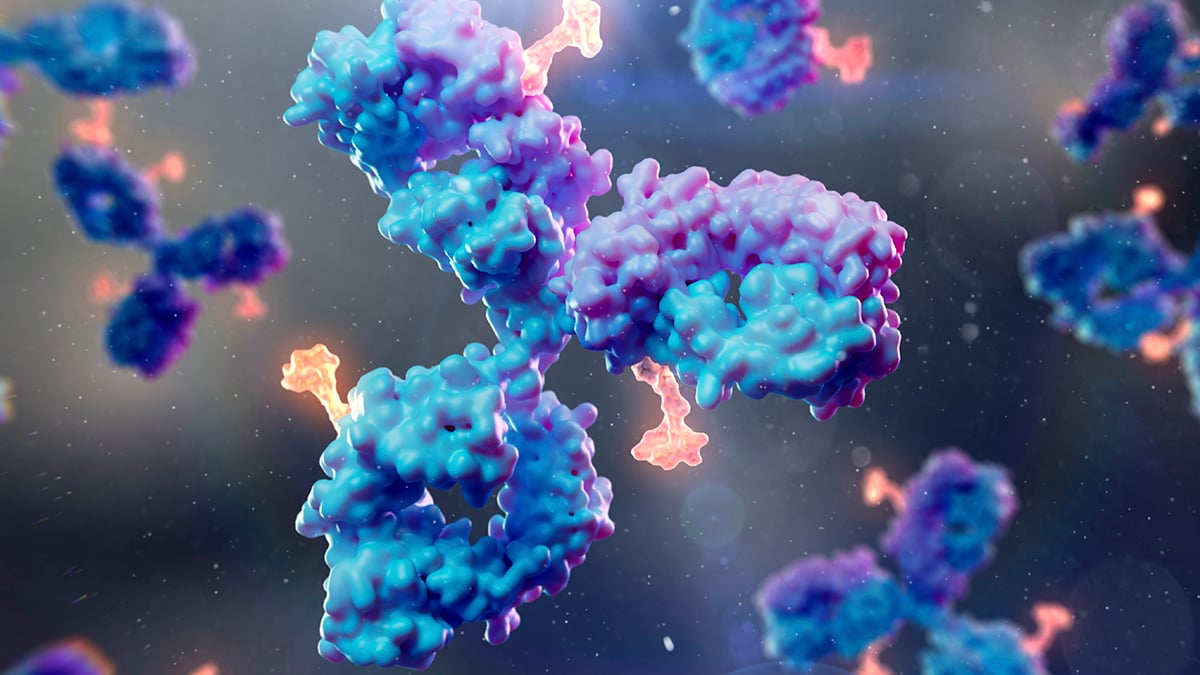
In a world grappling with countless microbial threats, one silent assailant has long flown under the radar, infecting an astonishing 95% of adults globally: the Epstein-Barr virus (EBV). For decades, this ubiquitous pathogen has been a medical enigma, often dismissed as a benign childhood infection or the cause of "mono." However, recent scientific breakthroughs are finally shining a spotlight on its profound and often devastating long-term health implications. Now, an international team of researchers has unveiled a novel antibody that promises to revolutionize our approach to this pervasive virus, offering a glimmer of hope against a pathogen linked to an alarming array of serious diseases, from certain cancers to debilitating autoimmune conditions.
This development is not merely incremental; it represents a fundamental shift in our ability to combat EBV. While the virus typically causes no obvious symptoms in most carriers, its insidious nature lies in its ability to persist lifelong within the host, periodically reactivating and potentially triggering a cascade of severe health issues. The new antibody, meticulously engineered, targets specific viral proteins, aiming to neutralize EBV's ability to infect cells and replicate, thereby preventing the onset of its associated pathologies. This scientific leap forward could fundamentally alter the landscape of public health, moving us closer to a future where the silent threat of EBV is finally brought under control.
The Silent Scourge: Understanding EBV's Pervasive Impact
The Epstein-Barr virus, a member of the herpesvirus family, was first identified in 1964 by Michael Anthony Epstein and Yvonne Barr. It primarily spreads through saliva, earning it the moniker "kissing disease" when it manifests as infectious mononucleosis. While most infections occur asymptomatically in early childhood, leading to lifelong latency, infection during adolescence often results in the more severe symptoms of mononucleosis, characterized by fatigue, fever, and swollen lymph nodes. However, the true danger of EBV extends far beyond these immediate manifestations.
Once EBV enters the body, it establishes a latent infection, primarily within B lymphocytes, a type of white blood cell. This latency means the virus remains dormant for long periods but can reactivate, often without causing overt symptoms. It is this lifelong persistence and periodic reactivation that are increasingly linked to a wide range of chronic and severe health conditions. The list of diseases associated with EBV is extensive and concerning:
* Cancers: EBV is a known oncogenic virus, implicated in several types of cancer, including Burkitt lymphoma, Hodgkin lymphoma, nasopharyngeal carcinoma, and certain gastric cancers. It is estimated to contribute to approximately 1.5% of all human cancers globally. * Autoimmune Diseases: A growing body of evidence connects EBV to the development and exacerbation of autoimmune disorders. Perhaps most notably, it is strongly associated with multiple sclerosis (MS), with studies showing that nearly all MS patients have been infected with EBV, and the risk of MS increases significantly after EBV infection. Other autoimmune conditions, such as lupus and rheumatoid arthritis, also show links. * Chronic Fatigue Syndrome (CFS): While not a direct cause, EBV reactivation is often observed in patients experiencing CFS, suggesting a potential role in its pathogenesis.
The sheer prevalence of EBV, coupled with its diverse and severe disease associations, underscores the urgent need for effective interventions. For too long, medical science has been limited to symptomatic treatment for acute infections, with no specific antiviral therapies or vaccines available to prevent or treat latent EBV infection and its long-term sequelae.
The Science Behind the Breakthrough: A Targeted Approach
The development of this new antibody represents a significant leap forward in our understanding and treatment of EBV. Unlike broad-spectrum antivirals, this antibody is designed to be highly specific, targeting critical proteins on the surface of the virus or infected cells. This precision is crucial for minimizing off-target effects and maximizing efficacy.
Researchers focused on identifying conserved epitopes – specific molecular structures on the virus that are essential for its life cycle and are present across different EBV strains. By developing an antibody that binds to these epitopes, scientists aim to achieve several key objectives:
1. Block Viral Entry: Prevent the virus from infecting new cells, particularly B lymphocytes. 2. Neutralize Reactivation: Interfere with the mechanisms by which latent virus reactivates and produces new viral particles. 3. Enhance Immune Response: Potentially flag infected cells for destruction by the host's immune system.
The preliminary studies, though still in early stages, have shown promising results in in vitro (laboratory) and in vivo (animal) models. The antibody demonstrated a robust ability to inhibit viral replication and reduce viral load, suggesting its potential as both a prophylactic (preventive) and therapeutic agent. This targeted approach offers a stark contrast to previous attempts at EBV vaccines, which have faced challenges due to the virus's complex life cycle and its ability to evade the immune system.
Implications for Global Health and Future Directions
The potential implications of this antibody are vast and far-reaching. Imagine a future where:
* Multiple Sclerosis Prevention: Children and adolescents could receive an antibody injection to prevent EBV infection, thereby significantly reducing their lifetime risk of developing MS. * Cancer Prevention: The incidence of EBV-associated cancers could be dramatically reduced, saving countless lives. * Improved Management of Autoimmune Diseases: For those already suffering from EBV-linked autoimmune conditions, the antibody could help manage disease progression or reduce symptom severity by controlling viral activity. * Reduced Burden of Mononucleosis: A targeted intervention could alleviate the severe symptoms and prolonged recovery associated with acute mononucleosis.
However, it is crucial to temper enthusiasm with a dose of scientific realism. This antibody is still in the early phases of development. Rigorous clinical trials will be necessary to assess its safety, efficacy, and optimal dosing in human populations. These trials will be complex, requiring careful selection of participants and long-term follow-up to evaluate the antibody's impact on disease prevention and progression.
Furthermore, researchers will need to investigate potential challenges such as:
* Viral Resistance: The possibility of EBV evolving to escape antibody recognition. * Delivery Mechanisms: Ensuring the antibody can effectively reach target cells throughout the body. * Cost and Accessibility: Making this potentially life-changing treatment available and affordable globally, especially in regions with high burdens of EBV-associated diseases.
A New Era in Viral Disease Management
The development of this novel antibody against the Epstein-Barr virus marks a pivotal moment in infectious disease research. It underscores the power of targeted molecular interventions in confronting pathogens that have long eluded effective control. While the road from laboratory breakthrough to widespread clinical application is often long and arduous, the promise held by this discovery is undeniable. It offers a tangible pathway to mitigate the profound and often devastating health consequences of a virus that has silently impacted nearly every human on the planet.
This breakthrough not only brings hope for those at risk of or suffering from EBV-related diseases but also invigorates the broader field of virology and immunology. It demonstrates that even the most entrenched and pervasive viruses can be challenged with innovative scientific approaches. As we move forward, the global scientific community will be watching closely, hopeful that this antibody will indeed usher in a new era of prevention and treatment for the silent scourge of Epstein-Barr, transforming the lives of millions and reshaping our understanding of lifelong viral infections.
Stay Informed
Get the world's most important stories delivered to your inbox.
No spam, unsubscribe anytime.
Comments
No comments yet. Be the first to share your thoughts!