Bungie's Marathon: A Decade-Long Narrative Odyssey Shaped by Players
Bungie, the renowned studio behind Destiny, has unveiled an ambitious narrative blueprint for its new extraction shooter, Marathon, promising a story arc that spans years. Intriguingly, this sprawling saga will not be solely crafted by developers; player actions and community choices are set to dynamically influence its future direction. This innovative approach seeks to redefine storytelling in live-service games, fostering an unprecedented level of player agency within a persistent universe. The move signals a bold new chapter for Bungie and the sci-fi genre.
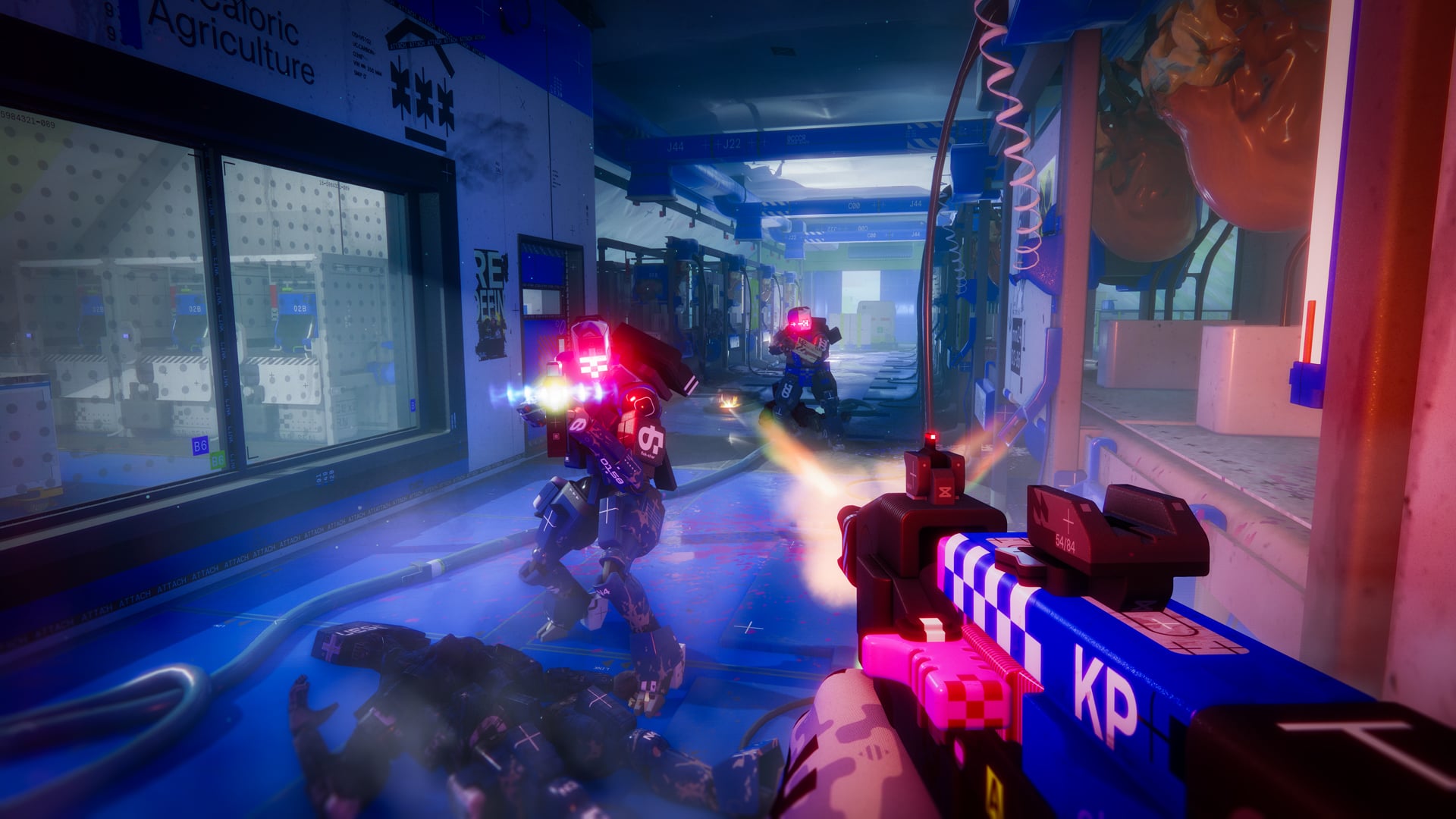
In the ever-evolving landscape of video game narratives, where stories are often finite or follow predictable arcs, a new paradigm is emerging. Bungie, the legendary studio that brought us iconic franchises like Halo and Destiny, is charting an ambitious course for its latest venture, the extraction shooter Marathon. The company has revealed a narrative plan so extensive it stretches "years into the future," a bold declaration that immediately sets it apart. But what truly makes this announcement revolutionary is Bungie's commitment to allowing players to actively sculpt this unfolding saga, promising a dynamic, community-driven narrative experience unlike any other.
The Legacy of Narrative Innovation: From Halo to Destiny
Bungie has always been synonymous with groundbreaking storytelling in gaming. Their early work on the original Marathon trilogy in the mid-90s established a rich, complex sci-fi universe, replete with deep lore, philosophical undertones, and a sense of isolation that captivated players. This foundation of intricate world-building carried over into Halo: Combat Evolved, which redefined console shooters with its epic scope and memorable characters. The Master Chief became an icon, and the war against the Covenant a benchmark for sci-fi military fiction in games.
With Destiny, Bungie ventured into the live-service model, attempting to blend persistent online gameplay with an evolving narrative. While Destiny's initial story delivery faced criticism, Bungie learned valuable lessons, eventually weaving a sprawling, multi-year epic through expansions, seasonal content, and in-game events. The Light and Darkness saga, now culminating after a decade, stands as a testament to their perseverance and ability to adapt narrative strategies within a constantly updated world. This history provides crucial context for understanding the magnitude of their new commitment to Marathon: they are not new to long-form storytelling, but they are now pushing the boundaries of player interaction within it.
Marathon's Ambitious Blueprint: A Living, Breathing Story
The core of Bungie's claim is that Marathon's narrative will unfold over a period of many years, suggesting a saga potentially as long-lived as Destiny's. This isn't just about releasing new story missions every few months; it's about building a universe with a deep, overarching plot that evolves organically. The game, which launched for consoles and PC in March and reportedly sold around 1.2 million copies in its opening weeks, is set in a distant future where players take on the role of "Runners" – cybernetically enhanced mercenaries – exploring lost colonies and fighting for survival. The premise itself, an extraction shooter, lends itself well to emergent storytelling, where each raid into a hazardous zone could contribute to a larger narrative tapestry.
However, the truly intriguing aspect is the promise that player actions will influence the narrative direction. This isn't a simple branching dialogue tree; it implies a more systemic, macro-level impact. How might this manifest? Consider scenarios where:
* Community-wide objectives: Players collectively achieve certain goals (e.g., securing a specific resource, defending a critical location) that unlock new story chapters or alter the state of the game world. * Factional allegiances: Player choices to align with certain in-game factions could shift the balance of power, leading to different narrative outcomes or even unique content paths. * Emergent events: The collective success or failure of players in specific challenges could trigger unforeseen narrative events, much like Destiny's seasonal events sometimes led to significant lore developments.
This approach aligns with the growing trend of "player-driven narratives" in gaming, moving beyond static lore to dynamic, responsive storytelling. It transforms players from passive consumers of a story into active participants, co-authors of the game's history.
The Challenges and Opportunities of Player Agency
While the concept of a player-influenced, multi-year narrative is exhilarating, it also presents significant challenges for developers. Managing a story that can deviate based on community input requires immense flexibility, foresight, and a robust content pipeline. Bungie will need to:
* Develop multiple narrative contingencies: What if players make an unexpected choice that wasn't fully planned for? The development team must have mechanisms to adapt and pivot. * Maintain narrative coherence: Even with player influence, the overarching story must remain consistent and compelling, avoiding plot holes or nonsensical twists. Communicate player impact effectively: Players need to feel* that their actions matter. Clear feedback loops, in-game news, and lore updates will be crucial to reinforcing this sense of agency. * Balance developer vision with player freedom: Finding the sweet spot where players feel empowered without completely derailing the core vision of the creators is a delicate act.
The opportunities, however, are immense. A truly player-influenced narrative could foster an unparalleled sense of community and investment. Players would not just be playing a game; they would be living its history, discussing its future, and feeling a genuine ownership over its direction. This could lead to:
* Increased player retention: A dynamic, evolving story provides continuous reasons for players to return. * Unique player experiences: Different servers or communities might experience slightly different narrative paths, leading to rich discussions and diverse lore interpretations. * Unforeseen creativity: Players might surprise developers with their choices, leading to innovative story developments that wouldn't have been conceived otherwise.
The Future of Live-Service Storytelling
Bungie's vision for Marathon positions it at the forefront of live-service game evolution. Historically, live-service games have struggled with narrative depth, often prioritizing endless grind over compelling storytelling. Destiny made strides, but Marathon's promise of player-driven narrative takes it to another level. This is not just about keeping players engaged with new content; it's about empowering them to be architects of the game's very soul.
The success of this ambitious plan will hinge on Bungie's execution. It requires a delicate balance of creative control and player freedom, robust technical infrastructure, and a deep understanding of community dynamics. If successful, Marathon could set a new standard for how stories are told in persistent online worlds, proving that narrative depth and player agency are not mutually exclusive in the live-service model. It could usher in an era where games are not just played, but truly lived and shaped by their communities, creating a legacy that extends far beyond a single playthrough or even a single generation of players. Bungie is not just launching a game; they are launching a narrative experiment that could redefine the future of interactive entertainment for years to come.
Stay Informed
Get the world's most important stories delivered to your inbox.
No spam, unsubscribe anytime.
Comments
No comments yet. Be the first to share your thoughts!