Cap d'Agde's Identity Crisis: Nudist Paradise or Swinger Hotspot?
Cap d'Agde, the world's largest naturist village, is facing an identity crisis. Long-term residents and traditional nudists are decrying an alleged 'infiltration' by swingers, leading to public sexual acts and a shift in the resort's family-friendly atmosphere. This controversy sparks a broader debate on the evolving nature of naturism and the commercialization of once-sacred spaces.
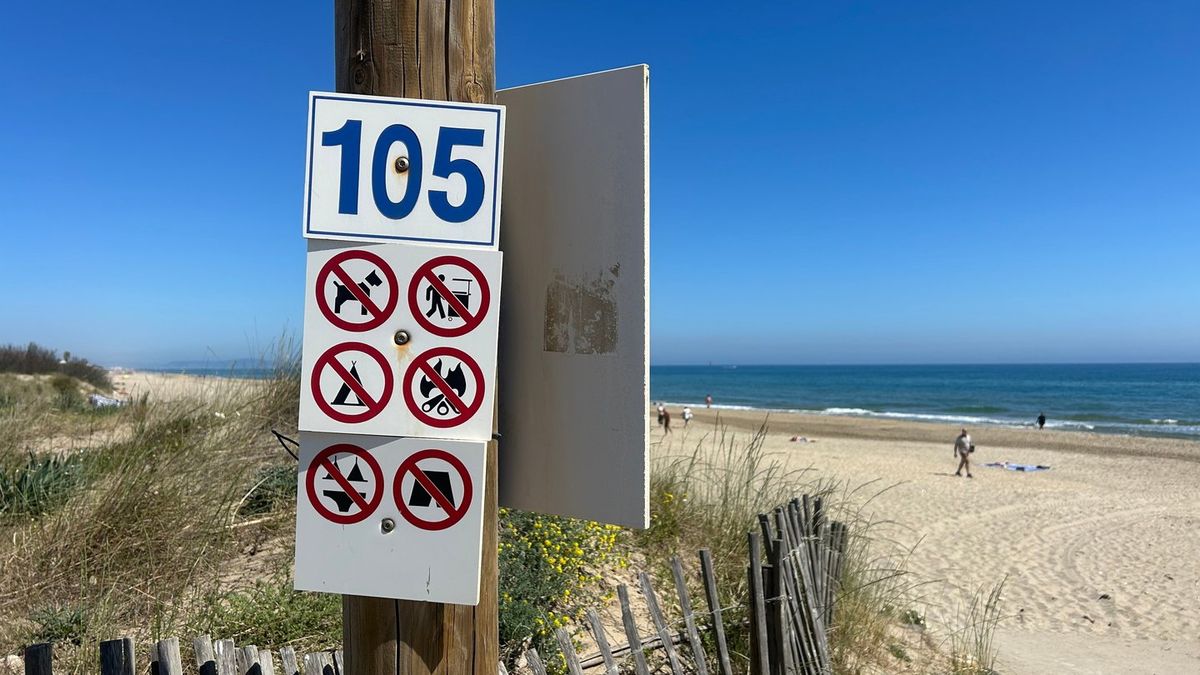
Cap d'Agde, nestled on the sun-drenched Mediterranean coast of France, has long been synonymous with freedom, sun, and the uninhibited spirit of naturism. Hailed as the world's largest naturist village, it has for decades attracted hundreds of thousands of visitors seeking a clothing-optional haven, a place where the human body is celebrated in its natural state, free from societal constraints. However, this iconic destination is now grappling with a profound identity crisis, as long-term residents and traditional naturists voice growing alarm over what they describe as an 'infiltration' by swingers, leading to public sexual acts and a perceived degradation of the resort's core values. The idyllic image of Cap d'Agde as a family-friendly, respectful naturist community is under threat, sparking a heated debate about the future of this unique social experiment.
The Genesis of a Naturist Utopia
To understand the current turmoil, one must first appreciate the origins and philosophy of Cap d'Agde. Established in the late 1960s, the village was conceived as a pioneering project, a dedicated space where naturism could flourish. Its founders envisioned a community built on principles of respect, tolerance, and a deep connection to nature, where nudity was simply a natural state of being, not an invitation for sexual activity. Over the years, it grew exponentially, evolving into a self-contained town with its own shops, restaurants, marina, and even a post office, all operating under the clothing-optional ethos. At its peak, especially during the bustling summer months, Cap d'Agde could host upwards of 40,000 people daily, a testament to its success as a global naturist capital. Families, couples, and solo travelers from across Europe and beyond flocked to its shores, drawn by the promise of a unique vacation experience where liberation from clothing fostered a sense of equality and camaraderie. The village cultivated a reputation for being a safe, welcoming environment where children could play freely on the beach and adults could unwind without the pressures of conventional society. This foundational ethos of respect and communal harmony is precisely what many residents feel is now being eroded.
The Shifting Sands: From Naturism to "Libertinage"
The heart of the current controversy lies in the alleged rise of a different kind of visitor: swingers and those primarily interested in sexual encounters, often referred to as "libertines" in French culture. While Cap d'Agde has always had a discreet, adult-oriented nightlife, residents claim that in recent years, this element has become increasingly overt and pervasive, spilling out from designated areas into public spaces. Reports from long-term residents paint a concerning picture: public sexual acts on beaches in broad daylight, explicit behavior in restaurants, and a general atmosphere that has shifted from relaxed naturism to explicit sexual exhibitionism. "It's no longer the naturist village we knew," laments one long-time resident quoted in local media. "It's become a giant swingers' club, and it's driving families away." This perceived transformation is not just about the presence of swingers, but about the disregard for the established norms and the impact on the broader community. The traditional naturist philosophy emphasizes nudity as a non-sexual expression of freedom, whereas the activities described by residents are explicitly sexual and often public, creating a clash of values.
Economic Pressures and Regulatory Challenges
The influx of a more sexually oriented tourism segment is not without its economic implications. While some businesses might cater to this clientele, the overall impact on Cap d'Agde's brand and its appeal to traditional naturist families could be detrimental in the long run. Local authorities and business owners face a delicate balancing act: how to manage the diverse expectations of visitors while preserving the village's unique identity and ensuring public order. The challenge is compounded by the fact that many of these activities, while perhaps unsavory to some, may not always be illegal if consensual and not overly aggressive. However, public indecency laws do exist, and their enforcement becomes crucial in maintaining a semblance of order and respect. The local municipality, often reliant on the tourism revenue generated by Cap d'Agde, finds itself in a difficult position, caught between upholding the law, satisfying residents, and not alienating a segment of its lucrative tourist base. This economic dependency can sometimes overshadow the deeper cultural and social concerns, making effective governance complex.
The Future of Naturism: A Broader Conversation
The struggles of Cap d'Agde are not isolated; they reflect a broader societal conversation about the evolution of naturism and the commercialization of spaces once dedicated to specific lifestyles. As society becomes more open about sexuality, the boundaries of what is acceptable in public naturist settings are continually being tested. The core question for Cap d'Agde, and indeed for the global naturist movement, is whether naturism can coexist with explicit sexual liberty in shared public spaces without compromising its foundational principles. Many argue that true naturism is about body acceptance and freedom from clothing, not about sexual exhibitionism. They fear that if places like Cap d'Agde lose their family-friendly appeal, the entire movement could suffer, becoming ghettoized or misunderstood. The debate extends to how such communities can self-regulate and enforce their own codes of conduct, especially when faced with diverse interpretations of 'freedom.'
In conclusion, Cap d'Agde stands at a crossroads. Its future hinges on whether its stakeholders—residents, businesses, and local authorities—can collectively define and uphold the values that originally made it a global beacon of naturism. This will likely involve clearer communication of expectations, potentially stricter enforcement of public decency laws, and a renewed commitment to promoting the respectful, inclusive atmosphere that once defined this extraordinary village. The challenge is immense, but the stakes are higher: the preservation of a unique social experiment and the very identity of the world's largest naturist haven. The outcome will undoubtedly shape the discourse around naturism for years to come, serving as a case study in how communities navigate evolving social norms while striving to maintain their core essence. The question remains: can the spirit of naturism reclaim its space, or will it be permanently overshadowed by other pursuits?
Stay Informed
Get the world's most important stories delivered to your inbox.
No spam, unsubscribe anytime.
Comments
No comments yet. Be the first to share your thoughts!