China's Energy Resilience: How Beijing Navigates Global Oil Shocks Amid Middle East Tensions
Despite its significant reliance on imported oil, China has demonstrated remarkable resilience in absorbing global energy market volatility, even amidst escalating conflicts in the Middle East. This stability is attributed to Beijing's multifaceted strategy, which includes aggressive diversification of energy sources, strategic stockpiling, and robust infrastructure development. This article explores how China has managed to sustain robust economic growth and maintain energy security through a carefully orchestrated approach, offering crucial insights into national energy strategies in a turbulent world.
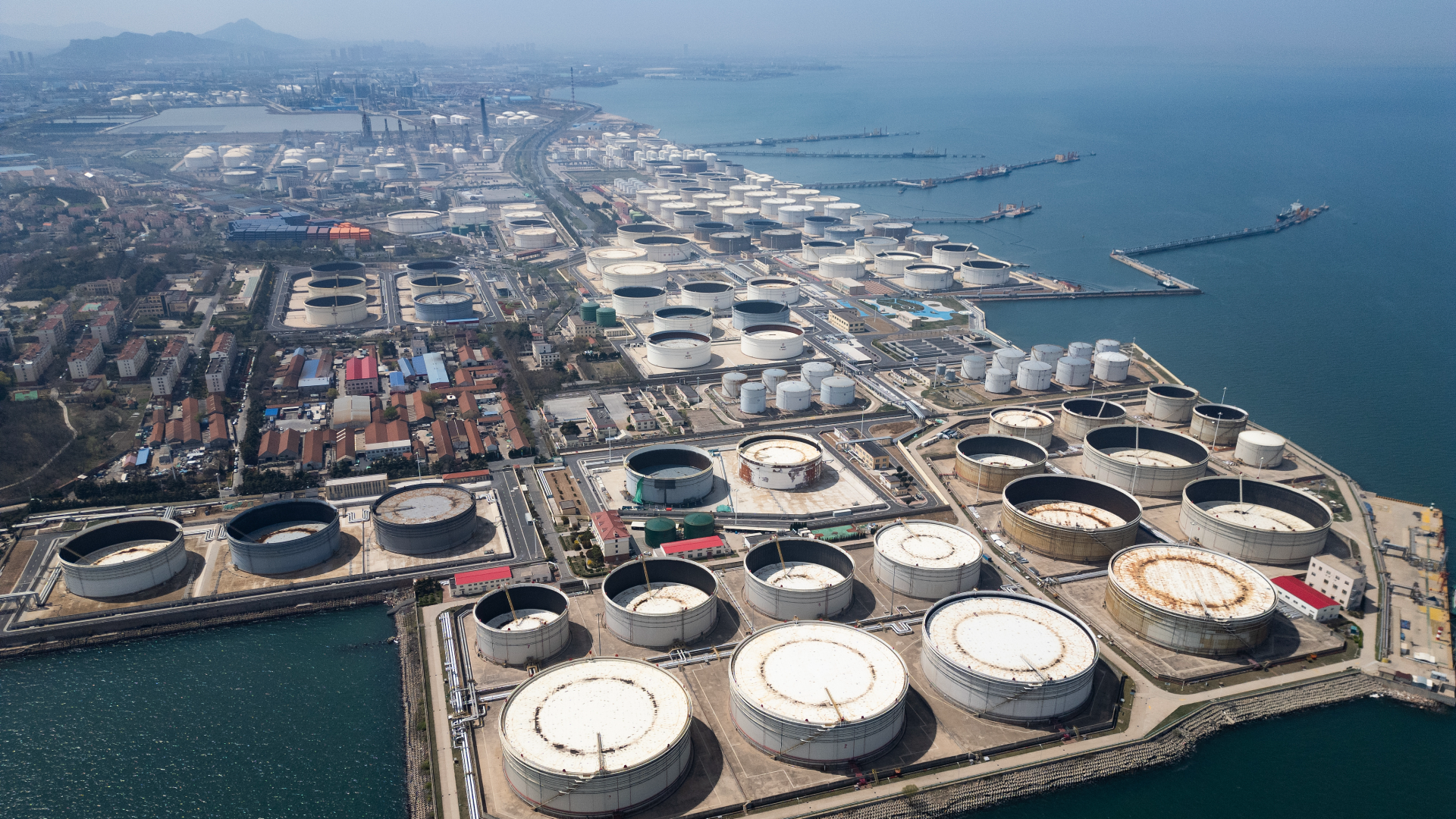
In a world increasingly defined by geopolitical instability and supply chain vulnerabilities, the specter of energy crises looms large. Yet, amidst the recent energy shock triggered by escalating conflicts in the Middle East, one major global player has conspicuously managed to weather the storm: China. Despite its substantial reliance on imported oil, Beijing has not only absorbed the market volatility but has also continued to report robust economic growth, a testament to its diversified and resilient energy structure. This achievement offers a compelling case study in national energy security, revealing a meticulously crafted strategy designed to insulate the world's second-largest economy from external shocks.
The Paradox of Dependence and Resilience
China's energy landscape presents a fascinating paradox. As the world's largest oil importer, its economy is inherently exposed to the whims of global crude markets and the geopolitical currents that influence them. Approximately 70% of China's oil consumption is met through imports, with a significant portion traversing volatile maritime routes from the Middle East and Africa. This dependency would, on paper, suggest extreme vulnerability to disruptions in key producing regions or transit chokepoints. However, China's response to recent crises, including the Russia-Ukraine conflict and the current Middle East tensions, has defied these expectations. Instead of succumbing to price spikes and supply anxieties, China has maintained a steady course, leveraging a strategic framework built over decades.
The foundation of this resilience lies in a comprehensive, multi-pronged approach that extends far beyond simple import agreements. It encompasses everything from domestic energy production optimization to global investment in energy assets, and from strategic petroleum reserves to an aggressive push into renewable energy. This holistic strategy aims not just to secure supply, but to diversify risk and build structural flexibility into the national energy system.
Pillars of China's Energy Security Strategy
China's energy security strategy is built upon several critical pillars, each contributing to its overall robustness:
* Diversification of Import Sources: Beijing has actively sought to reduce its reliance on any single region for oil and gas imports. While the Middle East remains a crucial supplier, China has significantly expanded its import portfolio to include Russia, Central Asia, Latin America, and Africa. Long-term contracts, often backed by infrastructure investments, ensure stable supply lines from these diverse geographies. For instance, the Power of Siberia pipeline from Russia has become a vital artery for natural gas, complementing seaborne LNG imports from various global producers. * Strategic Petroleum Reserves (SPR): Learning from past global energy crises, China has systematically built up its strategic petroleum reserves. While exact figures are often opaque, estimates suggest China's commercial and strategic reserves could hold hundreds of millions of barrels, providing a substantial buffer against short-term supply disruptions. This allows Beijing to release reserves to stabilize domestic prices and ensure continuity of supply during periods of extreme volatility, effectively decoupling domestic markets from the most acute international price shocks. * Domestic Energy Production: Despite its import dependency, China remains a significant producer of coal, oil, and natural gas. Coal, in particular, continues to be a cornerstone of its energy mix, providing a domestic backup that can be ramped up during emergencies. While there's a long-term push towards decarbonization, China maintains a pragmatic approach, ensuring that domestic fossil fuel production can provide a baseline level of energy security. Recent policy directives have emphasized maximizing domestic oil and gas output to further reduce external reliance. * Aggressive Renewable Energy Expansion: Perhaps the most forward-looking aspect of China's strategy is its unparalleled investment in renewable energy. China is the world leader in solar, wind, and hydropower capacity, and its renewable energy sector is expanding at an astonishing pace. This push is driven by both environmental concerns and the imperative of energy security. By reducing its reliance on fossil fuels, especially imported ones, China is systematically diminishing its exposure to global oil and gas market fluctuations. The scale of this transition is monumental, with China installing more renewable energy capacity than the rest of the world combined in recent years. * Global Energy Diplomacy and Investment: China's state-owned energy companies have made extensive investments in oil and gas fields, pipelines, and refining capacity across the globe, particularly in Africa, Latin America, and Central Asia. These investments not only secure future supply but also provide China with a degree of influence and leverage in global energy markets. The Belt and Road Initiative (BRI) has played a significant role in facilitating these energy-related infrastructure projects, creating new energy corridors and partnerships.
The Role of State Control and Central Planning
Unlike many market-driven economies, China's energy sector benefits from a high degree of state control and central planning. This allows for rapid, coordinated responses to crises and the implementation of long-term strategic projects that might be difficult to achieve in more fragmented markets. State-owned enterprises (SOEs) dominate the energy landscape, from exploration and production to refining and distribution. This integrated structure enables Beijing to direct resources, set prices, and manage supply chains with considerable authority, providing a powerful tool for maintaining stability.
During times of global price volatility, the government can absorb some of the shocks through state-controlled pricing mechanisms, preventing immediate and severe impacts on consumers and industries. While this can lead to market distortions, it effectively shields the domestic economy from the full brunt of international price swings, allowing businesses to plan with greater certainty.
Implications for the Global Energy Landscape
China's successful navigation of recent energy shocks carries significant implications for the global energy landscape. Firstly, it underscores the growing importance of diversified energy portfolios and strategic reserves for national security. Nations heavily reliant on single sources or vulnerable supply routes are increasingly exposed in a multipolar world.
Secondly, China's aggressive push into renewables highlights a paradigm shift. For Beijing, renewable energy is not just about climate change; it's a fundamental component of national security, reducing external dependencies and fostering domestic technological leadership. This dual motivation is accelerating the global energy transition at an unprecedented pace.
Finally, China's model of state-led energy security, while not universally applicable, offers insights into how large economies can build resilience. The blend of market engagement, strategic planning, and massive state investment creates a formidable shield against external pressures. As global energy markets remain turbulent, China's approach will continue to be a subject of intense study and debate.
Looking Ahead: Challenges and Opportunities
Despite its current success, China's energy security journey is far from over. The nation still faces significant challenges, including the environmental costs of its coal reliance, the increasing demand for energy as its economy continues to grow, and the ongoing geopolitical complexities of its key import regions. The transition to a predominantly renewable energy mix, while rapid, will take decades to complete, meaning fossil fuels will remain crucial for the foreseeable future.
However, the proactive measures taken by Beijing demonstrate a clear understanding of these challenges and a commitment to addressing them. The continued investment in advanced energy technologies, the expansion of its global energy footprint, and the strategic management of its domestic resources position China to maintain its energy resilience. As the world grapples with climate change and geopolitical uncertainties, China's evolving energy strategy will undoubtedly continue to shape global energy trends, offering both lessons and challenges for other nations striving for their own energy independence and stability.
Stay Informed
Get the world's most important stories delivered to your inbox.
No spam, unsubscribe anytime.
Comments
No comments yet. Be the first to share your thoughts!