Consumer Spending Crunch: CEOs Warn of 'Running Out of Money' Amid Economic Headwinds
Leading executives across retail, restaurants, and packaged goods are sounding the alarm over a significant slowdown in U.S. consumer spending. Faced with persistent inflation, particularly soaring gas prices, and dwindling savings, many households are reportedly 'running out of money' by month's end. This shift signals a potential economic downturn, forcing businesses to adapt strategies while consumers grapple with tighter budgets.
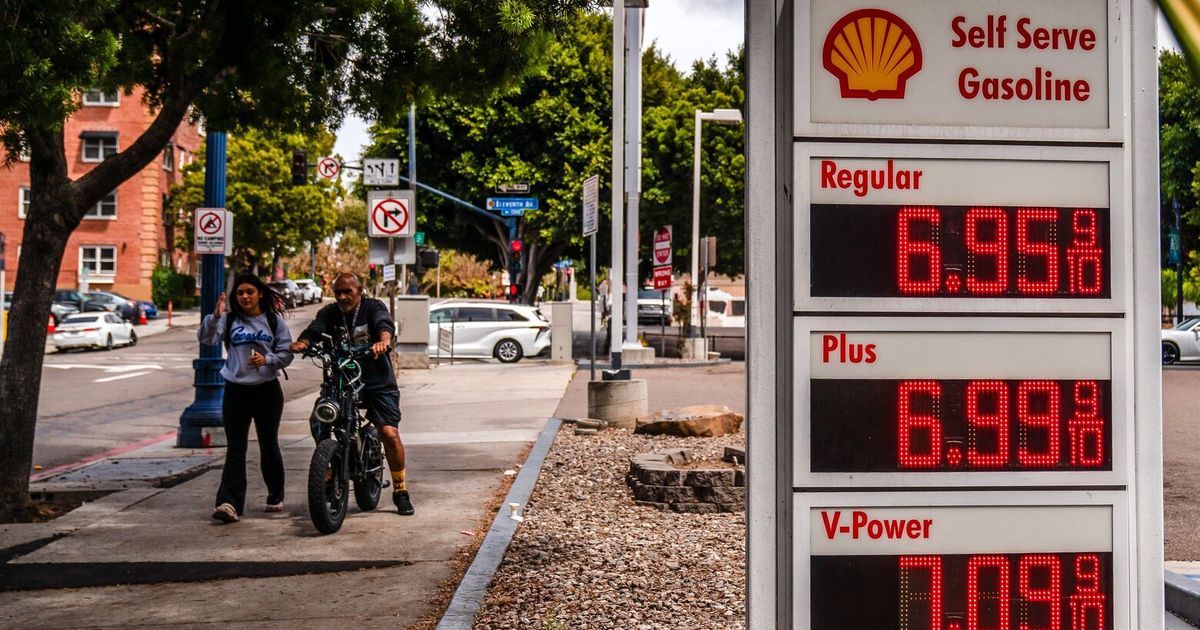
A palpable sense of unease is sweeping through corporate boardrooms across America. Executives from major retail chains, popular restaurant groups, and ubiquitous packaged goods companies are issuing stark warnings: the U.S. consumer, long the engine of economic growth, is showing significant signs of strain. The prevailing sentiment is that households are increasingly 'running out of money' before the month concludes, a concerning trend that portends broader economic challenges.
This isn't merely anecdotal; it's a chorus of concern from the very top. Companies that rely on consistent consumer purchasing power are observing a notable shift in buying habits, characterized by a move towards essential goods and away from discretionary spending. The culprits are multifaceted, but chief among them are stubbornly high inflation, which continues to erode purchasing power, and the recent surge in gas prices, exacerbated by geopolitical tensions in the Middle East. For many, the financial cushion built during the pandemic, fueled by government stimulus and reduced spending opportunities, has largely evaporated, leaving little buffer against rising costs.
The Erosion of Purchasing Power: A Deeper Dive
The current economic landscape is a complex tapestry woven with threads of persistent inflation, rising interest rates, and geopolitical instability. While headline inflation figures have cooled from their peaks, the cumulative effect of several years of elevated prices means that everyday goods and services are significantly more expensive than they were pre-pandemic. A dollar simply doesn't stretch as far as it used to. This inflationary pressure disproportionately affects lower and middle-income households, who spend a larger percentage of their income on necessities like food, housing, and transportation. When gas prices spike, as they have recently due to Middle East conflicts, it acts as a regressive tax, further squeezing already tight budgets and forcing difficult choices.
Historically, consumer spending has been remarkably resilient, often rebounding quickly after economic shocks. However, the current situation feels different to many analysts. Unlike previous downturns where consumers might have tapped into savings or credit lines, many households today are facing depleted savings accounts and maxed-out credit cards. The personal savings rate in the U.S. has fallen significantly from its pandemic-era highs, indicating that consumers have less financial flexibility. This lack of a safety net means that even minor price increases or unexpected expenses can push families into financial distress, leading to a rapid reduction in non-essential spending.
Corporate Strategies in a Tightening Market
In response to these shifting consumer behaviors, businesses are being forced to re-evaluate their strategies. Retailers are reporting a noticeable decline in foot traffic and conversion rates for non-essential items. Restaurant chains are seeing customers opt for cheaper menu items or dine out less frequently. Packaged goods companies are observing a trade-down effect, where consumers switch from premium brands to private-label or more affordable alternatives. This environment demands agility and innovation from corporate leaders.
Many companies are now focusing on value propositions, offering promotions, loyalty programs, and bundled deals to entice cost-conscious shoppers. Supply chain optimization is also critical, as businesses strive to keep costs down without compromising quality. Some are exploring new product lines that cater to budget-conscious consumers, while others are refining their marketing messages to emphasize affordability and essential benefits. The challenge is to maintain profitability in a high-cost environment while catering to a customer base with diminishing disposable income. This often involves difficult decisions regarding pricing, product mix, and even labor costs.
The Broader Economic Implications
The warnings from CEOs are not just about their individual company's bottom line; they carry significant implications for the broader U.S. and global economy. Consumer spending accounts for roughly 70% of U.S. GDP, making it the primary driver of economic growth. A sustained slowdown in this area could easily tip the economy into a recession. The Federal Reserve, which has been aggressively raising interest rates to combat inflation, now faces a delicate balancing act: continue fighting inflation without inadvertently triggering a severe economic contraction.
Furthermore, the tightening of consumer budgets has a ripple effect across various sectors. Manufacturers face reduced demand, leading to potential cuts in production and employment. The housing market, already sensitive to interest rate hikes, could see further cooling. Even the stock market, often a forward-looking indicator, could experience increased volatility as investors digest the prospect of weaker corporate earnings and a less robust economic outlook. The interconnectedness of the global economy means that a U.S. slowdown could also impact international trade and investment flows.
Navigating the Headwinds: What Lies Ahead
The immediate future appears challenging for both consumers and businesses. For households, prudent financial management, including budgeting, debt reduction, and building emergency savings, will be more crucial than ever. For companies, adaptability, a strong focus on customer value, and efficient operations will be key to weathering the storm. The longer-term outlook will depend on several factors: the trajectory of inflation, the stability of energy markets, the resolution of geopolitical conflicts, and the effectiveness of monetary and fiscal policies.
While the current warnings paint a somber picture, it's also a period that often sparks innovation and resilience. Businesses that can understand and respond effectively to the evolving needs of the frugal consumer will likely emerge stronger. Policymakers, meanwhile, will be under increasing pressure to implement measures that support economic stability and consumer well-being without reigniting inflationary pressures. The coming months will be a critical test of the U.S. economy's ability to navigate these significant headwinds, with the everyday consumer at the very heart of the unfolding narrative.
Stay Informed
Get the world's most important stories delivered to your inbox.
No spam, unsubscribe anytime.
Comments
No comments yet. Be the first to share your thoughts!