Deadly Hantavirus Outbreak Strands Luxury Cruise Ship: A Global Health Concern
A luxury expedition cruise ship carrying 149 people, including two Indian nationals, is stranded in the Atlantic Ocean following a deadly Hantavirus outbreak. Three passengers have died, and eight others are infected or suspected, highlighting the challenges of managing infectious diseases in confined, international settings. This incident raises urgent questions about maritime health protocols and global pandemic preparedness.
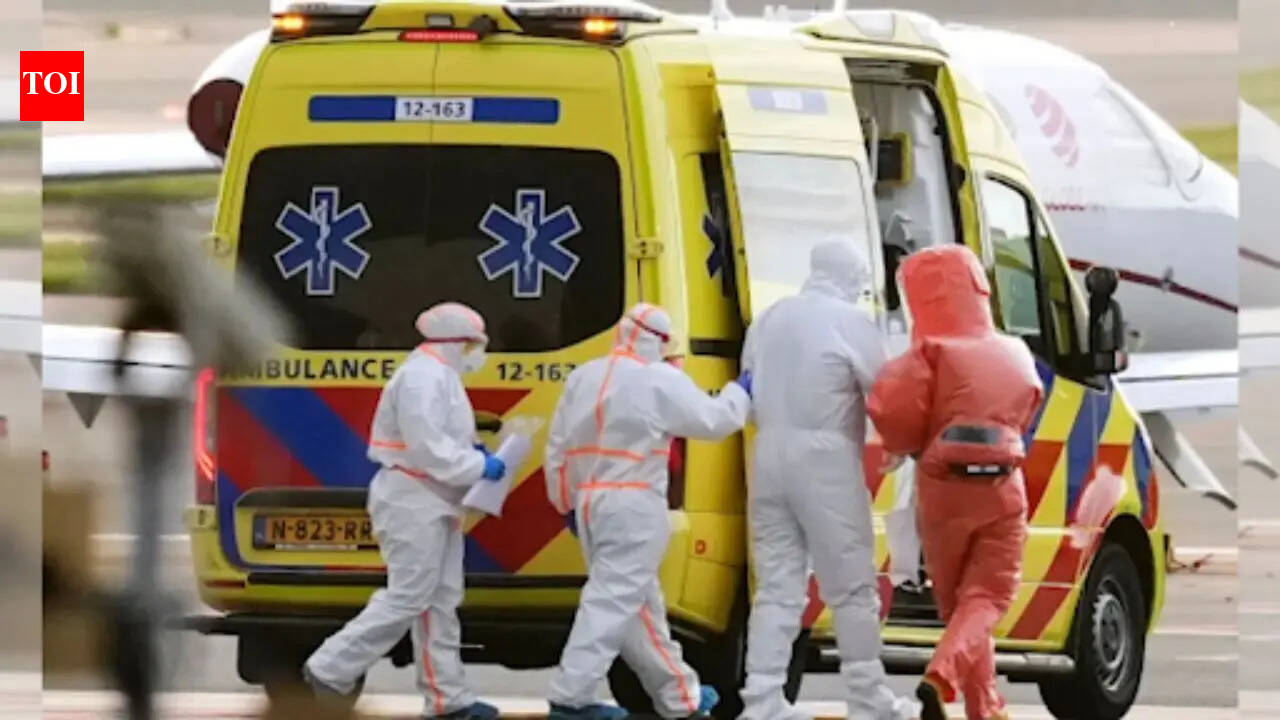
The serene blue expanse of the Atlantic Ocean typically conjures images of luxury and escape, but for 149 souls aboard a high-end expedition cruise ship, it has become a stage for a terrifying ordeal. A deadly Hantavirus outbreak has transformed what was meant to be an opulent voyage into a desperate struggle for survival and containment, leaving three passengers dead and eight others infected or suspected. Among those caught in this unfolding crisis are two Indian nationals, underscoring the global reach of such health emergencies and the inherent vulnerabilities of international travel.
The incident, first reported by the BBC and echoed across global news outlets, paints a grim picture. A luxury vessel, designed for exploration and comfort, is now a floating quarantine zone, its passengers and crew grappling with a rare but virulent pathogen. This event serves as a stark reminder that even in an age of advanced medicine and sophisticated travel, nature's microscopic threats can bring the most well-appointed journeys to an abrupt and tragic halt.
The Silent Killer: Understanding Hantavirus
Hantavirus is not a new threat, but its appearance on a cruise ship is particularly alarming. It is a family of viruses carried by rodents, primarily mice and rats, and transmitted to humans through contact with rodent urine, feces, or saliva, often when these contaminants become airborne. Unlike many common respiratory viruses, Hantavirus is not typically spread from person to person, which makes its potential transmission dynamics on a cruise ship a subject of intense investigation.
There are two main types of Hantavirus diseases: Hantavirus Pulmonary Syndrome (HPS) in the Americas and Hemorrhagic Fever with Renal Syndrome (HFRS) in Europe and Asia. Both are severe and can be fatal. HPS, prevalent in North and South America, attacks the respiratory system, leading to fluid accumulation in the lungs and severe breathing difficulties. Its mortality rate can be as high as 38%. HFRS, on the other hand, affects the kidneys and can cause internal bleeding. The symptoms often begin subtly, resembling the flu: fever, muscle aches, headaches, and gastrointestinal issues, making early diagnosis challenging.
The presence of Hantavirus on a luxury cruise ship raises immediate questions about the origin of the outbreak. Was there an undetected rodent infestation on board? Did passengers contract the virus during onshore excursions in areas where rodents are prevalent? Or was there an unusual, perhaps unprecedented, mode of transmission within the confined environment of the ship? These questions are critical for public health authorities to prevent future occurrences and to understand the evolving risks associated with global travel.
Maritime Health Protocols Under Scrutiny
Cruise ships, by their very nature, are complex ecosystems. They are self-contained communities with thousands of people living in close quarters, making them susceptible to rapid spread of infectious diseases. The COVID-19 pandemic brought this vulnerability into sharp focus, with numerous cruise ships becoming epicenters of outbreaks. While Hantavirus is different in its transmission, the current incident highlights persistent challenges in maritime health management.
International health regulations mandate strict sanitation and pest control measures for all vessels. Ships are regularly inspected for rodent infestations, and protocols are in place for managing waste and food storage to deter pests. However, an expedition cruise, by definition, often ventures into remote or less-developed areas, potentially increasing exposure risks. The incident forces a re-evaluation of these protocols, especially for ships that frequent diverse geographical locations.
Furthermore, the medical facilities on board, while often state-of-the-art for routine emergencies, may be overwhelmed by a rapidly evolving outbreak of a rare and deadly disease. The need for rapid diagnostic capabilities, isolation protocols, and the ability to transfer critically ill patients to onshore medical facilities becomes paramount. The stranding of the vessel in the Atlantic underscores the logistical nightmare of managing a severe health crisis far from land-based infrastructure.
The Human Cost and Global Implications
The human toll of this outbreak is profound. Three lives have been tragically cut short, and eight others are battling a severe illness, their families undoubtedly gripped by anxiety. For the remaining 138 passengers and crew, the psychological impact of being trapped on a vessel where a deadly virus has claimed lives cannot be overstated. The experience will likely leave lasting scars, altering perceptions of travel and safety.
For the two Indian nationals on board, their ordeal resonates with a broader global community. India, with its vast diaspora and increasing engagement in international tourism, is acutely aware of how global health crises can impact its citizens abroad. The Ministry of External Affairs and Indian diplomatic missions would typically be involved in providing assistance, ensuring the well-being of their citizens, and facilitating their safe return.
Beyond the immediate crisis, this incident has broader implications for the global travel industry and public health. It serves as a potent reminder that while global pandemics like COVID-19 capture headlines, other less common but equally dangerous pathogens remain a constant threat. It necessitates a renewed focus on inter-agency cooperation between maritime authorities, public health organizations, and national governments to develop robust, adaptable strategies for managing infectious disease outbreaks on international conveyances.
Moving Forward: Lessons from the Atlantic
The immediate priority is the safe and effective management of the current situation: containing the outbreak, treating the infected, and ensuring the well-being of all passengers and crew. This will involve careful epidemiological investigation to pinpoint the source and mode of transmission, followed by rigorous disinfection protocols.
In the long term, this incident must catalyze a re-examination of health security measures for the cruise industry. This could include:
* Enhanced Rodent Surveillance: More frequent and sophisticated pest control measures, especially for expedition ships. * Pre-Voyage Risk Assessments: Thorough evaluation of potential health risks associated with planned itineraries, particularly for remote or high-risk areas. * Advanced Medical Training: Ensuring onboard medical staff are trained and equipped to identify and manage rare infectious diseases. * Rapid Response Protocols: Clear, pre-established plans for isolation, evacuation, and communication with international health bodies during an outbreak. * Passenger Education: Better informing passengers about health risks in visited regions and personal protective measures.
The Hantavirus outbreak on this luxury cruise ship is a somber chapter in the ongoing narrative of global health challenges. It underscores the interconnectedness of our world and the critical need for vigilance, preparedness, and international collaboration to safeguard public health, whether on land or adrift in the vastness of the ocean. As the world continues to navigate the complexities of travel and disease, the lessons learned from this Atlantic ordeal will be invaluable in shaping a safer future for all voyagers.
Stay Informed
Get the world's most important stories delivered to your inbox.
No spam, unsubscribe anytime.
Comments
No comments yet. Be the first to share your thoughts!