Deadly Interception: US Strikes on Drug Boats Intensify in the Pacific
A recent US military strike in the eastern Pacific Ocean against an alleged drug smuggling boat resulted in two fatalities, marking the latest in a series of aggressive interdictions. This incident underscores the escalating and often violent nature of the war on drugs in international waters. PulseWorld investigates the strategic implications, ethical dilemmas, and human cost of these operations. The increasing frequency of such encounters raises critical questions about sovereignty, international law, and the effectiveness of military-led counter-narcotics efforts.
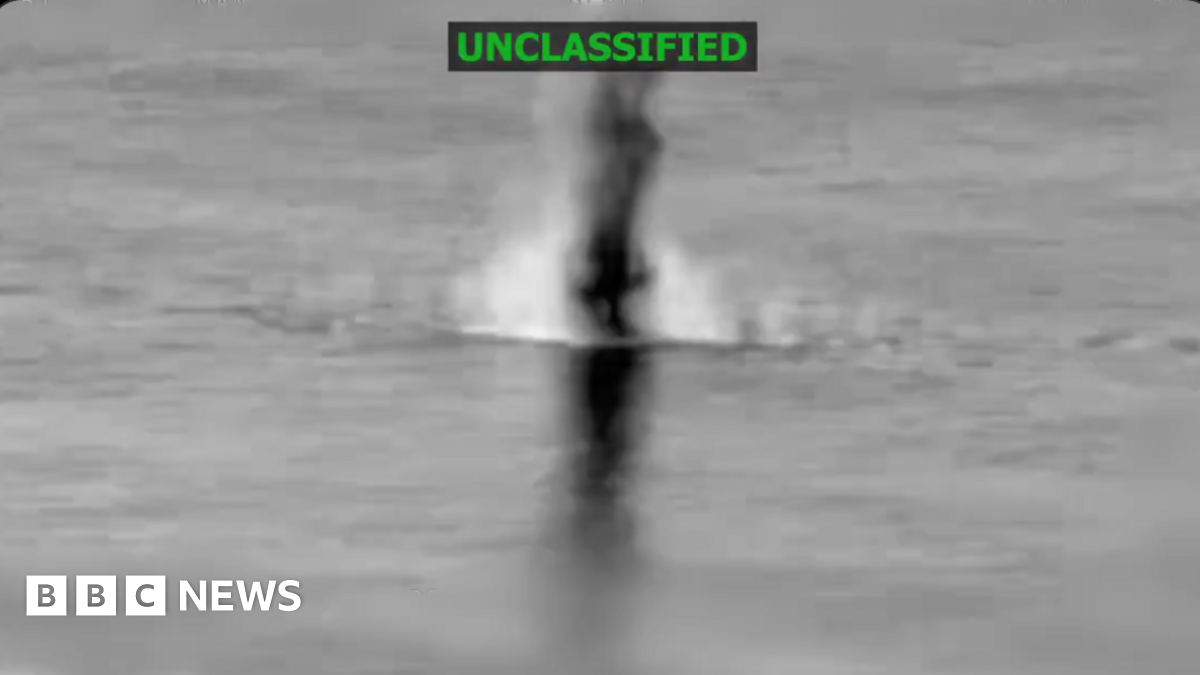
In the vast, unforgiving expanse of the eastern Pacific Ocean, a deadly drama unfolded recently, casting a stark light on the relentless and often violent global war on drugs. The US military, through its Southern Command, confirmed a strike on an alleged drug smuggling vessel that left two individuals dead. This incident is not an isolated event but rather the latest in a growing series of forceful interdictions, signaling an intensification of efforts to disrupt maritime drug trafficking routes. The human cost of these operations, coupled with the complex legal and ethical frameworks governing international waters, demands a closer examination.
The US Southern Command, with its expansive area of responsibility stretching across South America, Central America, and the Caribbean, plays a pivotal role in these counter-narcotics missions. Their mandate is clear: to detect, monitor, and disrupt illicit trafficking. However, the methods employed, particularly those involving direct engagement and lethal force, ignite fierce debate among international legal experts, human rights advocates, and policymakers. The incident serves as a grim reminder that the battle against illicit narcotics is far from a bloodless affair, often culminating in tragic loss of life on the high seas.
The Escalating Maritime War on Drugs
The eastern Pacific has long been a critical transit zone for drug cartels, primarily moving cocaine from South America to North American markets. The sheer scale of this illicit trade, estimated to be worth billions of dollars annually, fuels sophisticated and often heavily armed smuggling operations. In response, the US and its international partners have deployed significant naval and air assets, employing advanced surveillance technologies and rapid interdiction tactics.
Over the past decade, the frequency and intensity of these maritime interdictions have steadily climbed. Data from the US Southern Command and other agencies reveal a consistent pattern of seizures, often involving semi-submersible vessels, go-fast boats, and even repurposed fishing trawlers, all designed to evade detection. While many operations result in the peaceful apprehension of suspects and the seizure of contraband, a significant number escalate into confrontations. These scenarios are inherently dangerous, with smugglers sometimes resorting to desperate measures to protect their valuable cargo, and military personnel operating under strict rules of engagement designed to protect themselves and prevent the escape of high-value targets.
Critics argue that the militarization of drug interdiction, while effective in seizing drugs, does little to address the root causes of drug production and demand. Instead, it pushes cartels to adopt more clandestine and dangerous methods, increasing the risk for all involved. Proponents, however, contend that disrupting supply chains is a vital component of a multi-faceted strategy, starving criminal organizations of funds and reducing the availability of illicit substances on the streets.
The Legal and Ethical Labyrinth of International Waters
The high seas, by definition, are beyond the jurisdiction of any single nation, governed by a complex tapestry of international laws and conventions. The United Nations Convention on the Law of the Sea (UNCLOS) provides a framework, but specific rules regarding drug interdiction, especially involving the use of force, remain contentious. When a vessel is suspected of drug trafficking, the right of visit and search can be exercised by warships on the high seas, often requiring bilateral agreements or flag state consent. However, the threshold for the use of lethal force is extremely high, generally reserved for self-defense or to prevent the escape of individuals posing an immediate threat.
"The legal nuances of these operations are incredibly intricate," explains Dr. Elena Petrova, an expert in international maritime law at the Global Security Institute. "Each incident involving fatalities triggers a rigorous review, not just for adherence to rules of engagement but also for compliance with international human rights standards, even in a non-combat zone." Questions often arise regarding the proportionality of force used, the identification of the vessel's nationality, and the treatment of survivors. The lack of independent oversight in some instances further complicates accountability.
Furthermore, the concept of 'hot pursuit' allows a coastal state to pursue a foreign vessel that has violated its laws into international waters, but this pursuit must be continuous. The challenges of establishing clear jurisdiction and ensuring due process for individuals apprehended on the high seas are formidable, often leading to protracted legal battles and diplomatic tensions. The tragic loss of life in the recent strike underscores the urgent need for greater transparency and stricter adherence to international humanitarian principles in these high-stakes operations.
The Human Cost and Broader Implications
Beyond the geopolitical and legal complexities, each strike carries a profound human cost. The two individuals killed in the recent incident were, regardless of their alleged involvement, human beings whose lives were ended far from shore. Their identities, backgrounds, and the circumstances that led them to be on an alleged drug boat remain largely unknown to the public, overshadowed by the broader narrative of counter-narcotics success.
For the families of those killed, these operations represent devastating losses, often without clear answers or avenues for redress. For the communities from which these individuals hail, particularly in Latin America, the drug trade is not merely a criminal enterprise but often a desperate means of survival in regions plagued by poverty, lack of opportunity, and systemic corruption. This socio-economic backdrop is crucial for understanding the persistent supply of individuals willing to risk their lives in the illicit trade.
Moreover, these incidents have broader implications for regional stability and international relations. While partner nations often cooperate with the US in these efforts, the perception of US military dominance in sovereign waters can sometimes strain diplomatic ties. The effectiveness of these interdictions also remains a subject of ongoing debate. Despite billions spent and countless tons of drugs seized, the global drug trade continues to flourish, adapting and evolving with each new challenge. This suggests that a purely enforcement-centric approach may be insufficient, necessitating a greater focus on demand reduction, alternative livelihoods, and robust institution-building in source countries.
A Path Forward: Beyond Interdiction
The recent deadly strike serves as a stark reminder that the war on drugs is a multifaceted challenge with no easy solutions. While interdiction efforts are undeniably crucial for disrupting immediate threats and seizing illicit cargo, a sustainable long-term strategy must extend beyond military engagement. Future approaches must prioritize intelligence-led operations that target the financial networks and leadership of cartels, rather than focusing solely on low-level couriers.
Furthermore, there is an urgent need for enhanced international cooperation, not just in enforcement but also in intelligence sharing, judicial assistance, and capacity building for partner nations. Investing in economic development and social programs in drug-producing regions can offer viable alternatives to illicit cultivation and trafficking, addressing the fundamental drivers of the drug trade. Simultaneously, robust public health initiatives aimed at demand reduction in consuming nations are essential.
Finally, greater transparency and accountability in military operations on the high seas are paramount. Establishing independent review mechanisms, ensuring thorough investigations into incidents involving loss of life, and upholding international legal standards are vital for maintaining legitimacy and public trust. The tragic events in the eastern Pacific underscore that while the fight against drug trafficking is necessary, it must be waged with an unwavering commitment to human rights, international law, and a holistic understanding of its complex origins and devastating consequences. Only then can the global community hope to mitigate the human cost and genuinely move towards a more effective and humane solution to this enduring challenge.
Stay Informed
Get the world's most important stories delivered to your inbox.
No spam, unsubscribe anytime.
Comments
No comments yet. Be the first to share your thoughts!