DHS Official Julia Varvaro Breaks Silence on 'Sugar Daddy' Allegations: A Relationship Gone Sour or a Deeper Scandal?
Julia Varvaro, a 29-year-old Deputy Assistant Secretary for Counterterrorism at the Department of Homeland Security, has finally addressed the viral 'sugar daddy' controversy. She maintains that the relationship was consensual and has been unfairly sensationalized, painting a picture of a personal matter that spiraled into a public relations nightmare. This article delves into the allegations, Varvaro's defense, and the broader implications for public officials and online privacy in the digital age.
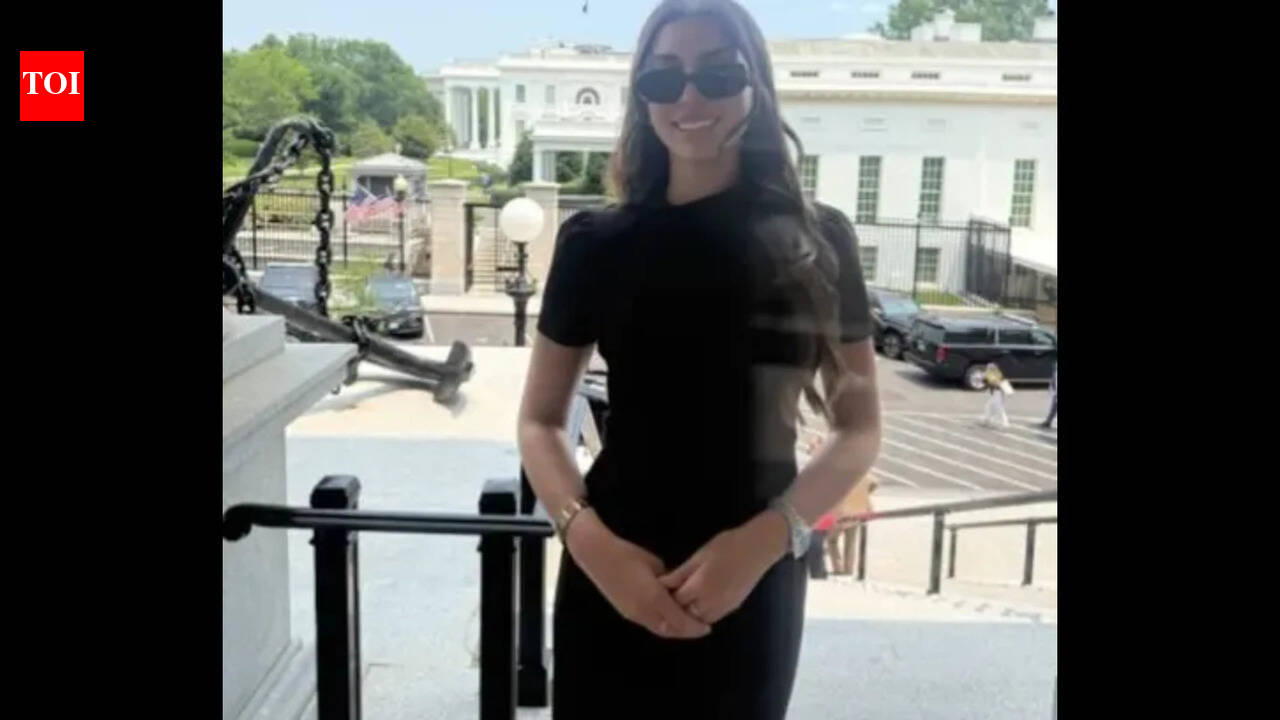
In the often-turbulent world of Washington D.C. politics, scandals are a dime a dozen. Yet, few capture the public's imagination quite like those that intertwine personal lives with public office, especially when salacious details emerge from the digital ether. Such is the case with Julia Varvaro, the 29-year-old Deputy Assistant Secretary for Counterterrorism at the Department of Homeland Security (DHS), who recently broke her silence on a viral controversy that has branded her with the label of a 'sugar baby' and her former partner a 'sugar daddy.' Varvaro vehemently denies any wrongdoing, asserting that the narrative is a gross misrepresentation of a consensual, albeit complicated, personal relationship that has now been weaponized against her public career. This incident not only shines a harsh light on the personal lives of public servants but also raises critical questions about online privacy, the weaponization of personal information, and the inherent vulnerabilities of those in positions of power in the age of social media.
The Genesis of the Scandal: From Private Life to Public Spectacle
The controversy surrounding Julia Varvaro exploded onto the public stage through a series of online posts and media reports that alleged she was involved in a 'sugar daddy' relationship with a significantly older, wealthy individual. These allegations painted a picture of financial dependency and transactional romance, a narrative that quickly went viral across social media platforms and traditional news outlets. The details, often sensationalized and lacking full context, suggested that Varvaro, despite her high-ranking position within the DHS, was receiving substantial financial support and gifts from an older man. The term 'sugar daddy' itself carries significant societal baggage, implying an imbalance of power and often, a transactional nature to the relationship that many find morally ambiguous, if not outright exploitative. For a public official, especially one in a sensitive national security role, such accusations can be career-ending, irrespective of their veracity.
Varvaro's initial silence only fueled speculation, allowing the narrative to solidify in the public consciousness. However, in her recent statements, she has sought to reclaim her story. She contends that the relationship, while involving a significant age gap and financial disparities, was fundamentally consensual and evolved from a personal connection, not a pre-arranged financial agreement. She describes it as a "relationship turned sour," implying that the public disclosure and subsequent framing of the relationship were orchestrated by a disgruntled party, possibly the former partner himself, or someone close to the situation. This framing shifts the focus from her alleged conduct to the ethics of weaponizing private relationship details for public humiliation or revenge, a phenomenon increasingly common in the digital age.
Varvaro's Defense: A Consensual Relationship Misconstrued
Julia Varvaro's defense centers on the assertion that her relationship was a private, consensual affair between two adults. She argues that the label 'sugar daddy' is pejorative and misleading, failing to capture the nuances of their interaction. While acknowledging the age difference and the financial support she may have received, she insists that these elements did not define the entirety of their connection. From her perspective, it was a personal relationship that, like many, had its complexities and ultimately ended. The public's fascination, she suggests, stems from a combination of schadenfreude, moral judgment, and the inherent intrigue of a high-profile individual's private life being exposed.
This defense raises important questions about the boundaries of privacy for public officials. While transparency is often demanded of those in government, where does the line between public interest and private life lie? Does a consensual relationship, even one with a significant age or wealth disparity, become a matter of public scrutiny simply because one party holds a government position? Varvaro's case highlights the precarious position of public servants, whose personal lives are increasingly vulnerable to public dissection, often without the full context or nuance required for fair judgment. The digital age, with its instantaneous spread of information and often-unverified claims, exacerbates this vulnerability, turning private disagreements into public spectacles with potentially devastating professional consequences.
Implications for Public Trust and Online Ethics
Beyond Varvaro's personal ordeal, this incident carries broader implications for public trust, ethical conduct in government, and the evolving landscape of online privacy. For government officials, the expectation of impeccable conduct extends beyond their professional duties into their personal lives, particularly when those lives might be perceived as compromising their integrity or susceptibility to influence. While Varvaro's role as Deputy Assistant Secretary for Counterterrorism is significant, there's no direct evidence presented that her personal relationship directly compromised national security or her official duties. However, the perception of impropriety alone can erode public trust, making it difficult for officials to effectively carry out their responsibilities.
Furthermore, this case underscores the growing challenge of online ethics and the weaponization of personal information. In an era where digital footprints are indelible and private communications can be easily leaked or fabricated, individuals, especially those in the public eye, are constantly at risk. The 'doxing' of personal details, the spread of unverified rumors, and the creation of sensationalized narratives can inflict irreparable damage on reputations and careers. This incident serves as a stark reminder of the need for greater digital literacy, critical evaluation of online information, and perhaps, stronger legal protections against the malicious dissemination of private data.
The Future of Privacy for Public Servants
As the dust settles on the Julia Varvaro controversy, several key takeaways emerge. Firstly, the incident highlights the increasing difficulty for public officials to maintain a clear distinction between their public and private lives. The pervasive nature of social media and the insatiable appetite for personal stories mean that even consensual, private relationships can be dragged into the public square and judged harshly. Secondly, it underscores the urgent need for a societal conversation about the ethics of online disclosure and the weaponization of personal information, particularly in cases where one party seeks to harm another through public humiliation.
Looking forward, this case may prompt government agencies to re-evaluate their guidelines regarding the personal conduct of employees, especially those in sensitive roles. It could also lead to discussions about how to better protect public servants from malicious attacks that exploit their private lives. Ultimately, Julia Varvaro's experience serves as a cautionary tale in the digital age: a reminder that for those who choose a life of public service, the scrutiny is relentless, and the boundaries of privacy are constantly being redrawn, often without their consent. The question remains whether society can strike a balance between demanding transparency from its leaders and respecting their fundamental right to a private life, even when that life becomes fodder for viral headlines.
Stay Informed
Get the world's most important stories delivered to your inbox.
No spam, unsubscribe anytime.
Comments
No comments yet. Be the first to share your thoughts!