DJI Mini 4K: The Drone That Just Made Aerial Photography Accessible to Everyone
The DJI Mini 4K drone has quietly undergone a significant price reduction, making high-quality aerial videography and photography more affordable than ever. This strategic move by DJI positions the Mini 4K as a compelling entry point for both aspiring hobbyists and content creators, challenging the traditional cost barriers to drone ownership. Experts believe this could spark a new wave of aerial innovation and recreational flying.
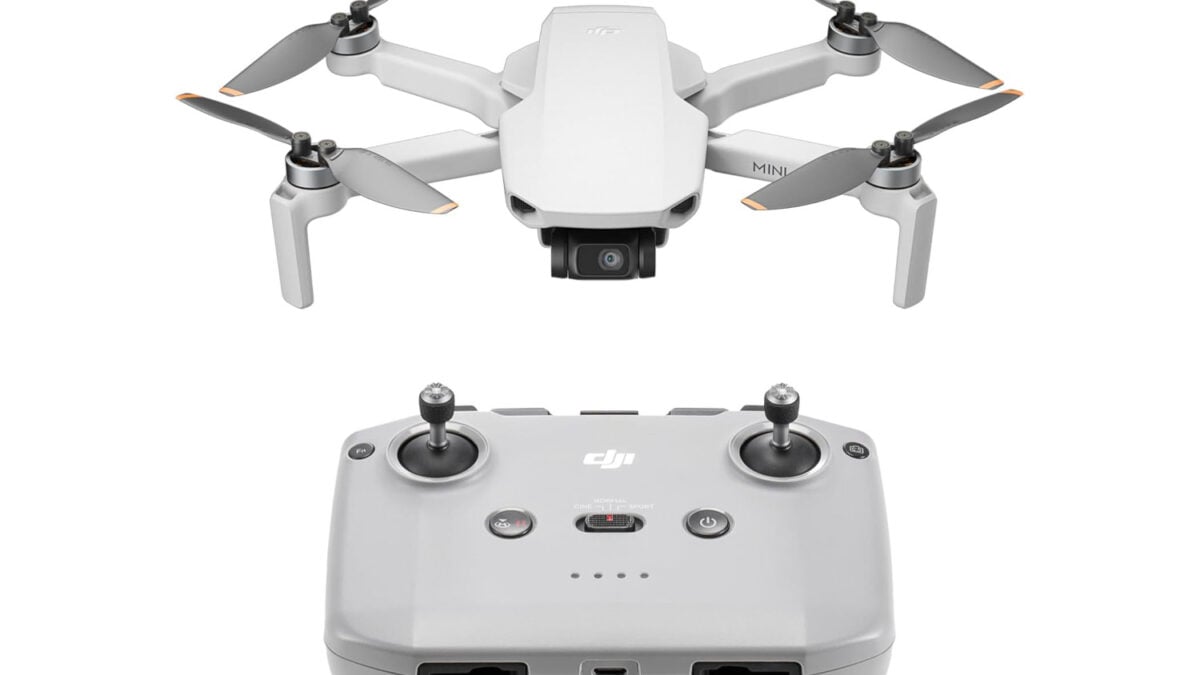
In a move that has quietly sent ripples through the technology and photography communities, the DJI Mini 4K drone has seen a substantial price drop, effectively positioning it as an incredibly accessible tool for aerial videography and photography. Once considered a niche, often expensive, hobby, drone flying is rapidly democratizing, and DJI’s latest pricing strategy for the Mini 4K is a testament to this evolving landscape. This isn't just about a cheaper gadget; it's about opening up a new dimension of creative expression and recreational enjoyment to a much broader audience.
For years, the barrier to entry for quality drones was significant, often requiring investments upwards of several hundred to thousands of dollars. While consumer drones have become more prevalent, the sweet spot of affordability meeting capability has remained somewhat elusive for many. The DJI Mini 4K, with its newly adjusted price point, now stands out as a game-changer, offering features that were once exclusive to much pricier models. It promises to transform how individuals capture memories, create content, and even explore their local environments from a fresh, elevated perspective.
The Strategic Price Drop: What It Means for Consumers
The most striking aspect of this development is the affordability. The DJI Mini 4K is now priced comparably to a high-end gimbal stabilizer, a piece of equipment that, while essential for smooth ground-level footage, cannot offer the unique aerial perspective of a drone. This pricing adjustment is not merely a discount; it's a strategic repositioning by DJI, a company renowned for dominating the consumer drone market. By making the Mini 4K so accessible, DJI is likely targeting a massive influx of new users who have been hesitant due to cost.
This move has several implications for consumers. Firstly, it significantly lowers the financial risk for newcomers. Aspiring pilots can now dip their toes into the world of drone flying without making a hefty investment. Secondly, for existing content creators, it offers an incredibly cost-effective way to add aerial shots to their repertoire, enhancing production value without breaking the bank. Thirdly, it could foster a new wave of innovation, as more people experiment with drone technology for various applications, from real estate photography to personal vlogging and even local community projects.
Consider the features that come with the Mini 4K: 4K video recording, a 3-axis mechanical gimbal for stable footage, and a lightweight design that often exempts it from complex registration requirements in many regions (though users should always check local regulations). These are not entry-level specifications; they are professional-grade capabilities packed into a budget-friendly device. The value proposition is undeniable.
DJI's Legacy and the Evolution of Drone Technology
DJI has long been at the forefront of drone innovation. From its early Phantom series to the revolutionary Mavic line, the company has consistently pushed boundaries, making drones more intelligent, user-friendly, and capable. The Mini series, in particular, has been instrumental in democratizing drone ownership due to its compact size and weight, often falling below the 250-gram threshold that triggers stricter regulations in many countries.
The evolution of drone technology has been rapid. Early consumer drones were often clunky, difficult to fly, and lacked sophisticated camera systems. Fast forward to today, and even budget-friendly models like the Mini 4K boast advanced features such as GPS stabilization, intelligent flight modes, and high-resolution cameras. This technological leap, coupled with economies of scale in manufacturing, has paved the way for such aggressive pricing strategies.
This current price drop for the Mini 4K is not an isolated incident but rather part of a broader trend. As drone technology matures and competition intensifies, manufacturers are finding ways to offer more for less. This benefits consumers directly, making advanced tools available to a wider demographic. It also encourages more people to engage with STEM (Science, Technology, Engineering, and Mathematics) fields, as flying and understanding drones involves principles of physics, engineering, and digital media.
Beyond the Hobbyist: Professional and Creative Applications
While the immediate appeal of the Mini 4K's new price point is to hobbyists looking for a fun new gadget, its capabilities extend far beyond recreational flying. Content creators, often operating on tight budgets, can now seamlessly integrate stunning aerial footage into their projects. Imagine independent filmmakers capturing breathtaking landscapes, real estate agents showcasing properties from a unique perspective, or travel bloggers documenting their adventures with cinematic flair.
* Independent Filmmaking: Elevate production value with dynamic aerial shots previously reserved for larger budgets. * Real Estate: Offer prospective buyers immersive views of properties and their surroundings. * Vlogging and Social Media: Create engaging, unique content that stands out in a crowded digital landscape. * Small Businesses: Capture promotional material, inspect infrastructure, or conduct surveys more efficiently.
Even for educational purposes, the Mini 4K presents an affordable platform for students to learn about aerodynamics, photography, and remote control technology. Its ease of use, combined with its robust features, makes it an ideal learning tool that bridges the gap between theoretical knowledge and practical application.
The Future of Aerial Exploration and Content Creation
DJI's strategic pricing for the Mini 4K is more than just a temporary sales tactic; it's a strong indicator of the future trajectory of consumer drone technology. As drones become more affordable and easier to operate, we can expect to see an explosion in their adoption across various sectors. The sky is no longer the limit for those with a creative vision and a modest budget.
This democratization of aerial technology will likely lead to unforeseen innovations and applications. We might see more citizen journalism utilizing drones, enhanced environmental monitoring by local groups, or even new forms of artistic expression. The ability to capture high-quality aerial footage at such an accessible price point empowers individuals and small organizations to compete with larger entities, fostering a more diverse and dynamic media landscape.
The DJI Mini 4K, now priced like a budget gimbal stabilizer, is not just a product; it's an invitation. An invitation to explore, to create, and to see the world from a new vantage point. For anyone who has ever dreamed of taking to the skies with a camera, that dream has just become significantly more attainable. The age of accessible aerial photography is truly upon us, and the Mini 4K is leading the charge.
Stay Informed
Get the world's most important stories delivered to your inbox.
No spam, unsubscribe anytime.
Comments
No comments yet. Be the first to share your thoughts!