Enbridge's Q1 Profit Dip: Navigating Energy Transition Amidst Shifting Global Dynamics
Enbridge Inc., a North American energy infrastructure giant, reported a first-quarter profit of $1.67 billion, a notable decrease from $2.26 billion in the same period last year. This dip, despite robust operational performance, signals a complex interplay of market forces, regulatory landscapes, and strategic investments in the evolving energy sector. Our analysis delves into the underlying factors, future outlook, and what this means for investors and the broader energy transition.
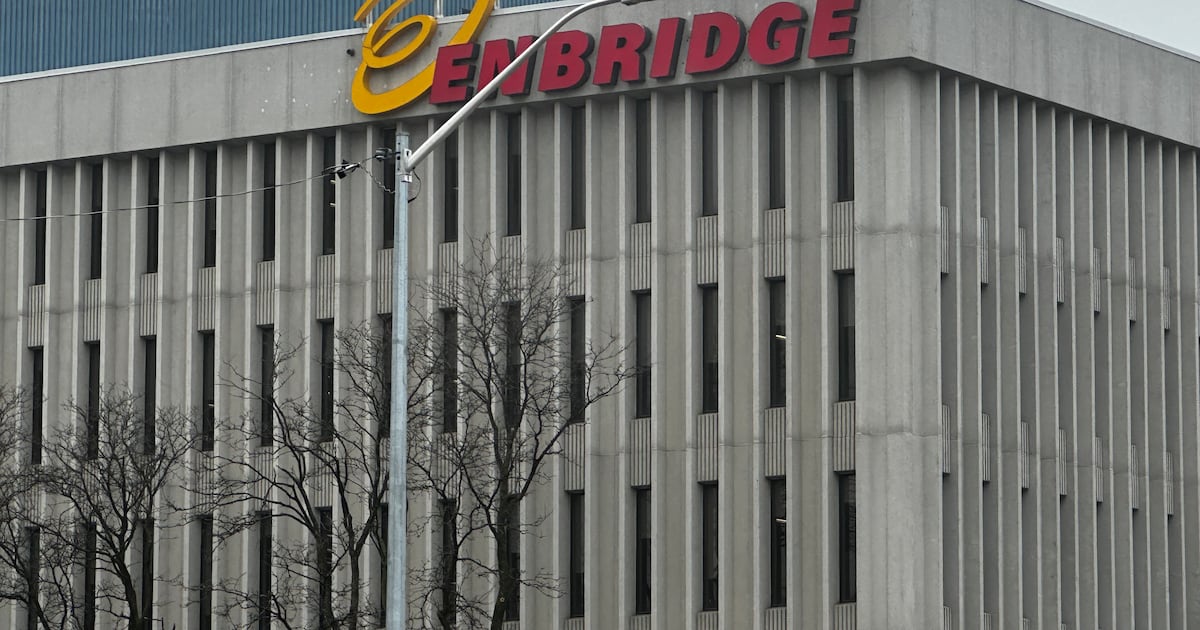
In the intricate tapestry of global energy markets, even the titans face shifting tides. Enbridge Inc., a cornerstone of North American energy infrastructure, recently unveiled its first-quarter financial results, reporting a profit attributable to common shareholders of $1.67 billion. While a substantial figure, this represents a significant decline from the $2.26 billion recorded in the corresponding period a year earlier. This financial snapshot, equating to 77 cents per share, offers more than just numbers; it provides a window into the complex challenges and strategic maneuvers defining the energy sector's ongoing transformation.
The Calgary-based pipeline behemoth, responsible for transporting a quarter of the crude oil and 20% of the natural gas consumed in North America, operates at the confluence of traditional energy demands and the burgeoning push for sustainable alternatives. The reported profit dip, therefore, isn't merely a blip on the financial radar; it's a symptom of deeper structural shifts, macroeconomic pressures, and the company's own ambitious pivot towards a diversified energy portfolio. Understanding this quarter's performance requires a deep dive into the factors at play, from fluctuating commodity prices to strategic acquisitions and the ever-present shadow of regulatory scrutiny.
Unpacking the Q1 Performance: A Closer Look at the Numbers
The headline figure of a reduced profit, while initially concerning, warrants a nuanced examination. The previous year's exceptional performance, which saw a higher profit, might have been influenced by unique market conditions, such as elevated energy prices following geopolitical events or one-off asset sales. Comparing year-over-year figures requires context. Enbridge's diverse asset base, spanning oil pipelines, gas pipelines, utility operations, and a growing renewable energy portfolio, means its financial health is influenced by a multitude of variables.
Key financial metrics often include adjusted earnings, which strip out non-recurring items to provide a clearer picture of operational performance. While the raw profit figure declined, it's crucial to assess if this was due to operational inefficiencies, lower volumes, or non-cash accounting adjustments. For a company like Enbridge, factors such as: * Commodity price volatility: Lower oil and gas prices can impact throughput and tariffs, even if contracts provide some insulation. * Interest rate hikes: Higher borrowing costs can eat into profits, especially for capital-intensive infrastructure projects. * Regulatory changes: New environmental regulations or pipeline capacity restrictions can affect operational costs and revenue streams. * Asset impairments or sales: Strategic divestments or revaluations of assets can significantly impact reported profits in a given quarter.
Without the full financial statement, it's difficult to pinpoint the exact drivers, but generally, a company of Enbridge's scale manages to maintain stable cash flows from its regulated assets. Any significant deviation often points to broader market trends or specific strategic decisions. The company's focus on distributable cash flow (DCF), which supports its dividend, is often a more telling indicator for investors than net income alone.
The Strategic Pivot: Enbridge's Diversification Journey
Enbridge isn't resting on its laurels as a traditional pipeline operator. Recognizing the global imperative for energy transition, the company has been aggressively pursuing a strategy of diversification, particularly into renewable energy and low-carbon solutions. This strategic pivot is not without its costs, both in terms of capital expenditure and the initial impact on profitability as new ventures mature.
Recent years have seen Enbridge invest heavily in: * Offshore wind farms: Projects in Europe and North America are expanding its footprint in clean energy generation. * Solar power facilities: Contributing to a more balanced energy mix. * Renewable natural gas (RNG) projects: Capturing methane from landfills and agricultural waste to produce pipeline-quality gas. * Carbon capture and storage (CCS) initiatives: Exploring opportunities to decarbonize industrial emissions.
These investments are long-term plays, designed to future-proof the company's revenue streams and align with evolving environmental, social, and governance (ESG) criteria. While they may not immediately yield the same high margins as established pipeline assets, they are critical for sustainable growth and investor appeal in a world increasingly focused on climate action. The challenge lies in balancing the profitability of legacy assets with the capital demands and nascent returns of new energy ventures.
Regulatory Headwinds and Geopolitical Realities
The energy sector, perhaps more than any other, is profoundly shaped by regulatory frameworks and geopolitical developments. Enbridge, with its vast cross-border infrastructure, is particularly susceptible to these influences. The ongoing debates surrounding pipeline approvals, environmental assessments, and Indigenous rights in both Canada and the United States create a complex operating environment.
For instance, the Line 5 pipeline controversy, involving Michigan's attempts to shut down a critical segment, highlights the regulatory risks. While Enbridge has largely prevailed in legal battles, the uncertainty and legal costs are significant. Similarly, evolving carbon pricing mechanisms and methane emission regulations can impact operational expenses and investment decisions.
Globally, the war in Ukraine and subsequent energy supply disruptions have underscored the importance of energy security, briefly boosting demand for traditional fossil fuels. However, this has also accelerated Europe's push for renewable energy independence, creating both short-term demand for LNG (transported by Enbridge's gas pipelines) and long-term impetus for green energy investments. Enbridge's strategic positioning allows it to capitalize on both aspects, but it also means navigating a constantly shifting geopolitical landscape that directly impacts commodity flows and prices.
Investor Outlook and the Path Forward
For investors, Enbridge's Q1 results present a mixed picture. The dip in profit might trigger short-term concerns, but the company's underlying strengths – its vast, largely contracted asset base, strong cash flow generation, and consistent dividend payments – remain attractive. Enbridge has a long history of dividend growth, making it a staple for income-focused investors.
The key question for the future revolves around the success of its diversification strategy. Can Enbridge effectively transition from an oil and gas pipeline company to a broader energy infrastructure leader, encompassing renewables and low-carbon solutions, without sacrificing shareholder value? The company's ability to execute on its capital projects, manage regulatory challenges, and integrate new technologies will be paramount.
Looking ahead, Enbridge's management will likely emphasize: * Capital discipline: Ensuring new investments provide attractive returns. * Operational efficiency: Optimizing existing assets to maximize cash flow. * Strategic partnerships: Collaborating with other industry players to accelerate energy transition projects. * ESG leadership: Enhancing its environmental performance and social impact to attract sustainable investment.
While the first-quarter profit shows a temporary contraction, it is likely part of a broader, more complex narrative of an energy giant adapting to a rapidly changing world. The path forward for Enbridge, and indeed the entire energy sector, involves a delicate balance between meeting current energy demands and building the sustainable infrastructure of tomorrow. Investors will be watching closely to see how this balance is maintained and how the strategic investments of today translate into sustained profitability and growth in the years to come.
Stay Informed
Get the world's most important stories delivered to your inbox.
No spam, unsubscribe anytime.
Comments
No comments yet. Be the first to share your thoughts!