Escalating Tensions: Iran Adviser Reverses Trump's Ultimatum Amidst 'Stone Age' Threats
A high-ranking Iranian adviser has issued a stark counter-ultimatum to former US President Donald Trump, threatening to send his allies to the 'Stone Age' if a 20-hour deadline for surrender is not met. This defiant response comes after Trump's own warnings of devastating consequences for Iran, highlighting a dangerous escalation in rhetoric.
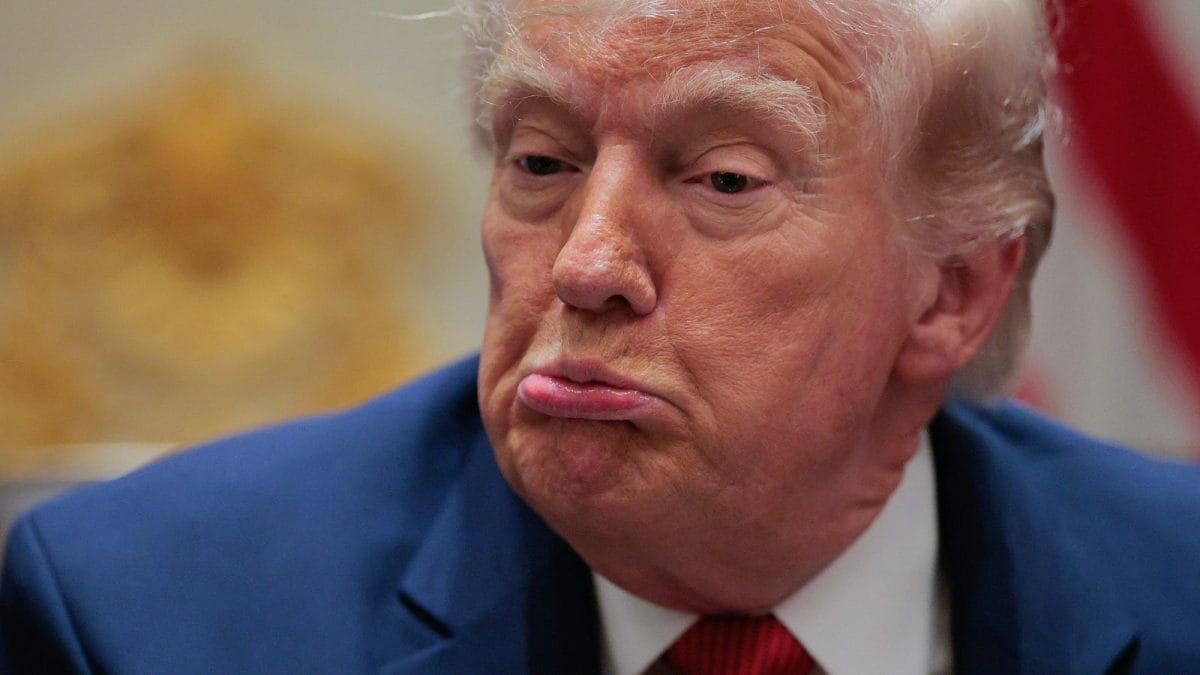
The geopolitical chessboard between the United States and Iran has once again been rattled by a dangerous exchange of ultimatums, pushing an already volatile relationship closer to the brink. In a dramatic turn of events, an adviser to Iran’s Parliament Speaker has defiantly responded to former US President Donald Trump’s threats, issuing a chilling counter-ultimatum that promises to send Trump’s allies to the 'Stone Age' if a 20-hour surrender deadline is not met.
This latest escalation, reported on April 7, 2026, stems from Trump’s earlier pronouncements, where he warned that once a specific deadline passed, Iran would be left with 'no bridges' and 'no power plants.' Such rhetoric, characteristic of Trump’s confrontational foreign policy during his presidency, aimed to project an image of overwhelming force and resolve. However, the Iranian response indicates a steadfast refusal to be intimidated, instead choosing to mirror the aggressive language with its own dire warnings.
Analysts are quick to point out the perilous nature of such exchanges. While Trump is currently a former president, his statements still carry significant weight and influence, particularly among his base and certain international actors. The Iranian adviser’s direct challenge, therefore, is not merely a rhetorical flourish but a calculated move to assert strength and deter perceived aggression, both from Trump and potentially from the current US administration or its regional partners.
The context of these threats is crucial. Relations between Washington and Tehran have been fraught for decades, punctuated by periods of intense hostility and proxy conflicts. The 2018 withdrawal of the US from the Joint Comprehensive Plan of Action (JCPOA), commonly known as the Iran nuclear deal, under the Trump administration, significantly worsened ties, leading to renewed sanctions and increased military posturing from both sides. While the Biden administration has sought a different approach, the underlying mistrust and strategic competition remain.
Experts suggest that such ultimatums, particularly those involving specific deadlines and threats of infrastructure destruction or existential consequences, are designed to test resolve and manipulate public perception. For Iran, the 'Stone Age' threat could be interpreted as a warning against any military intervention or severe economic pressure that might cripple its national capabilities or sovereignty. It also serves as a message to its own population and regional allies that it will stand firm against external pressures.
Internationally, there is growing concern that this cycle of escalating rhetoric could inadvertently trigger a miscalculation or an unintended conflict. The Middle East remains a tinderbox, with numerous flashpoints and complex alliances. Any perceived direct threat or act of aggression could quickly spiral out of control, drawing in other regional and global powers. The international community is likely to call for de-escalation and diplomatic engagement to prevent the situation from deteriorating further.
As the 20-hour deadline mentioned by the Iranian adviser looms, the world watches with bated breath. While the immediate consequences of these specific threats remain uncertain, the incident underscores the persistent fragility of US-Iran relations and the urgent need for channels of communication to prevent a rhetorical war from becoming a devastating reality.