Fitbit Air Leak: Google's Bold Move to Disrupt Wearable Health with a $99, Screen-Free Device
A leaked report suggests Fitbit Air, Google's next wearable, is poised for a May 16 launch with a disruptive $99 price point. This screen-free device aims to challenge subscription-based health trackers like Whoop by offering core health insights upfront, potentially democratizing advanced wellness monitoring. With a focus on affordability and long-term data, Fitbit Air could redefine the entry point for comprehensive personal health tech.
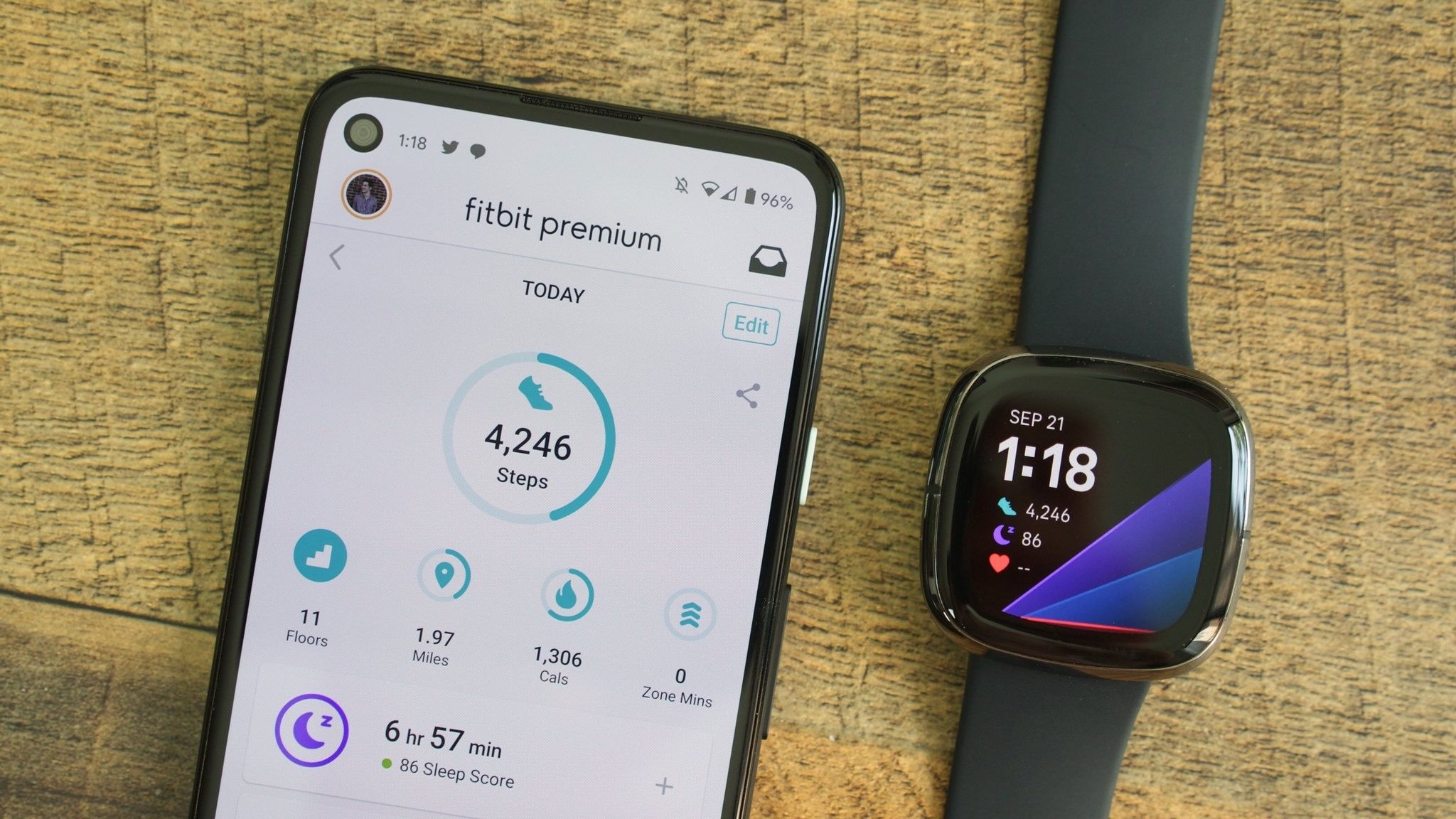
The wearable technology market is on the cusp of a significant shake-up, as a recent leak has unveiled details about the highly anticipated Fitbit Air. Poised for a May 16 launch with an astonishing $99 price tag, this new device from Google-owned Fitbit is not just another fitness tracker; it represents a strategic pivot designed to democratize advanced health monitoring and directly challenge established players like Whoop. This screen-free, subscription-free model could redefine accessibility in personal health tech, making sophisticated insights available to a much broader audience.
For years, Fitbit has been a household name synonymous with step counting and basic activity tracking. However, its acquisition by Google in 2021 signaled a new era, one where the brand could leverage Google's vast resources and AI capabilities. The Fitbit Air appears to be the first major product born from this synergy, aiming to carve out a unique niche in an increasingly crowded market. Its reported design philosophy — minimalistic, affordable, and focused on core health data without the distraction of a screen — harks back to the early days of wearables while simultaneously pushing forward with a modern, data-driven approach.
The Disruptive Power of Price and Simplicity
The most striking aspect of the Fitbit Air leak is its proposed $99 one-time purchase price. In an industry where premium smartwatches can cost hundreds of dollars and advanced health trackers often come with recurring monthly subscription fees (like Whoop's $30/month model), Fitbit Air's upfront cost is a game-changer. This pricing strategy immediately eliminates a significant barrier to entry for many consumers, particularly those who are health-conscious but wary of ongoing financial commitments. By offering core health insights upfront without a subscription, Google is betting that the sheer accessibility will drive mass adoption.
This move directly targets the business model of competitors like Whoop, which has successfully cultivated a loyal user base willing to pay for continuous, in-depth physiological monitoring. Whoop's strength lies in its comprehensive recovery, sleep, and strain metrics, presented through a screen-free band and a robust app experience. The Fitbit Air aims to deliver similar core health insights – likely including heart rate variability, sleep stages, activity levels, and potentially stress metrics – but without the recurring fee. This could force competitors to re-evaluate their pricing structures or differentiate more aggressively on the depth and breadth of their data analysis.
Furthermore, the decision to go screen-free is a deliberate design choice that emphasizes data collection over real-time interaction. In an age of constant digital notifications, a screen-free device promotes a more mindful approach to health, encouraging users to check their data periodically through a companion app rather than being tethered to their wrist. This minimalist design also contributes to longer battery life and potentially greater comfort, making it an ideal choice for continuous wear, which is crucial for accurate health trend analysis.
A Deeper Dive into Health Metrics and Ecosystem Integration
While the leak emphasizes the screen-free nature, it also hints at a focus on core health insights. This suggests that Fitbit Air will leverage Fitbit's established expertise in tracking sleep, activity, and heart rate, but potentially with enhanced algorithms and Google's machine learning capabilities. We can anticipate sophisticated analysis of sleep stages, recovery metrics, and possibly even early detection of health anomalies, all presented in an intuitive format within the Fitbit app ecosystem.
The integration with the broader Google ecosystem is another critical factor. With Google's Health Connect platform and its ambitions in personalized health, the data collected by Fitbit Air could feed into a more holistic view of a user's well-being, potentially interacting with other health apps and services. This seamless integration could offer users a comprehensive dashboard for managing their health, from fitness goals to stress management. The potential for AI-driven personalized recommendations based on long-term data trends could be a significant differentiator, moving beyond mere data presentation to actionable insights.
The rumored plenty of color options also suggests a nod to personalization and fashion, a common strategy in the wearable market to appeal to a wider demographic beyond just fitness enthusiasts. This allows users to express their style while benefiting from advanced health tracking, making the device feel less like a medical gadget and more like a personal accessory.
The Future of Wearable Health: Accessibility Meets Innovation
The launch of Fitbit Air could mark a pivotal moment in the wearable health industry. For too long, advanced health tracking has been perceived as a luxury, often bundled with high price tags or ongoing subscriptions. Fitbit Air's strategy of offering a powerful, screen-free, and affordable device directly challenges this paradigm. It suggests a future where sophisticated health insights are not exclusive but universally accessible.
This move aligns with a broader trend towards preventative health and personalized medicine. As healthcare systems worldwide grapple with rising costs and chronic diseases, empowering individuals with tools to monitor and manage their own health becomes increasingly vital. A device like Fitbit Air, which provides continuous data without financial barriers, could play a crucial role in fostering greater health literacy and proactive wellness management among the general population.
However, success will hinge on several factors: the accuracy and depth of the "core health insights," the user experience of the companion app, and Google's ability to effectively market this unique value proposition. If Fitbit Air delivers on its promise, it could not only capture a significant market share but also inspire a new wave of innovation in affordable, data-driven health technology, ultimately benefiting millions seeking to take control of their well-being. The May 16 launch will undoubtedly be a day keenly watched by consumers and competitors alike, as Google potentially unveils the next chapter in accessible personal health.
Stay Informed
Get the world's most important stories delivered to your inbox.
No spam, unsubscribe anytime.
Comments
No comments yet. Be the first to share your thoughts!