Framework's Laptop 13 Pro: The Modular Revolution Redefining Computing for Linux Enthusiasts
Framework's latest Laptop 13 Pro is making waves, hailed as the 'MacBook Pro for Linux users' due to its unprecedented modularity, repairability, and sleek design. This article delves into how Framework is challenging the traditional computing market by empowering users with upgradeability and choice. We explore its impact on sustainability, user freedom, and the future of personal technology, offering a deep dive into why this device is more than just a laptop.
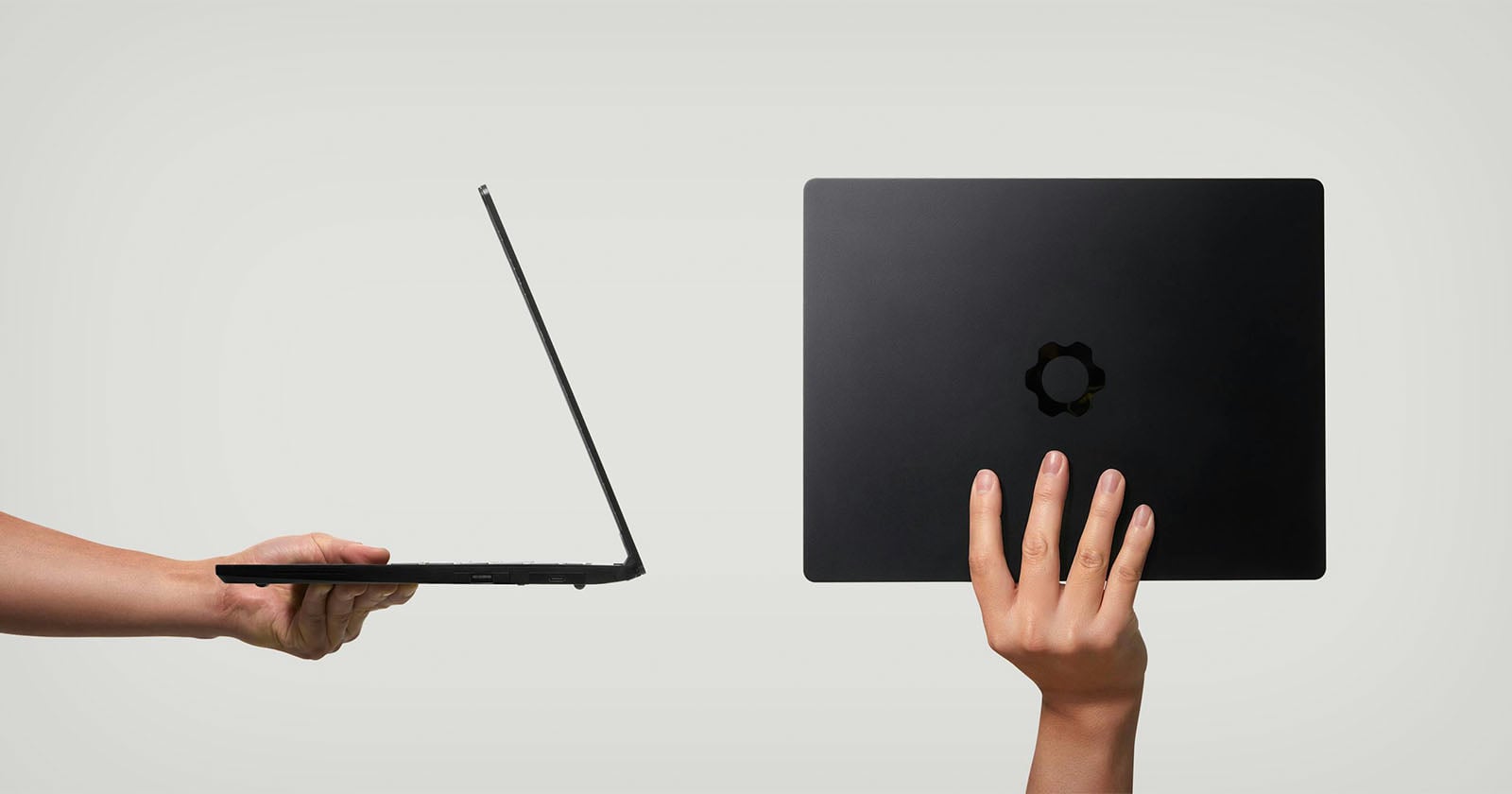
In an era dominated by increasingly sealed, unrepairable, and disposable electronics, a beacon of hope has emerged from the tech world: Framework. Since its debut in early 2021 with the original Laptop 13, the company has championed a radical vision centered on modularity, customizability, and extreme repairability. Now, with the redesigned Laptop 13 Pro, Framework isn't just iterating; it's solidifying its position as a genuine disruptor, earning accolades like 'the MacBook Pro for Linux users' and promising to reshape our relationship with personal computing.
From the outset, Framework’s mission has been clear: to mend what they perceive as an “incredibly broken” computing market. This market, characterized by planned obsolescence and proprietary designs, often leaves consumers with little choice but to replace devices rather than repair or upgrade them. Framework’s answer is a meticulously engineered laptop where nearly every component, from the bezel to the battery, the keyboard to the mainboard, is designed to be easily replaced or upgraded by the user. This philosophy not only extends the lifespan of the device but also empowers users with unprecedented control over their hardware investment.
The Anatomy of a Revolution: Design and Modularity
The Laptop 13 Pro isn't just about internal components; its external design and user experience are equally revolutionary. At first glance, its sleek, minimalist aesthetic could easily be mistaken for a premium ultrabook from established giants. However, beneath this polished exterior lies a marvel of engineering focused on user accessibility. The laptop features a magnetic bezel, allowing for quick and tool-free replacement of display bezels, offering both aesthetic customization and practical repairability. More critically, its expansion card system allows users to choose their desired ports – USB-C, USB-A, HDMI, DisplayPort, Ethernet, and even an SD card reader – and swap them out as needed. This eliminates the need for dongles and future-proofs the device against evolving connectivity standards.
The true genius, however, lies in its internal architecture. The mainboard, containing the CPU and GPU, can be swapped out entirely, meaning users can upgrade to the latest generation processor without buying a whole new laptop. RAM and storage are also easily accessible and upgradeable. This level of modularity is virtually unheard of in consumer electronics, especially in the laptop segment, where components are often soldered in place. Framework provides detailed repair guides and sells replacement parts directly, fostering a thriving ecosystem of self-sufficiency and repair culture.
Linux: A Natural Partnership for Freedom and Control
The moniker 'MacBook Pro for Linux users' isn't just marketing hype; it reflects a deep synergy between Framework's philosophy and the ethos of the Linux community. Linux users often prioritize open-source software, control over their operating system, and hardware compatibility. Traditional laptop manufacturers frequently present challenges for Linux users, from proprietary drivers to firmware issues and limited hardware support. Framework, by contrast, has embraced Linux from day one, ensuring robust compatibility and often collaborating with the Linux community to optimize performance.
This partnership is symbiotic. Linux users find a hardware platform that mirrors their values of freedom and customizability, while Framework gains a loyal and technically adept user base that appreciates its commitment to open standards and repairability. The ability to easily install and run various Linux distributions, coupled with the freedom to upgrade components, makes the Laptop 13 Pro an ideal canvas for developers, power users, and anyone seeking an alternative to mainstream operating systems. The sheer flexibility allows users to tailor their computing experience down to the finest detail, from the kernel to the desktop environment, without hardware limitations.
Sustainability and the Circular Economy: Beyond Planned Obsolescence
Framework’s business model is a direct challenge to the prevailing linear economy of 'take, make, dispose.' By designing products for longevity and repairability, the company actively promotes a circular economy. This approach has significant environmental benefits. Extending the lifespan of electronic devices reduces electronic waste (e-waste), conserves raw materials, and lowers the carbon footprint associated with manufacturing new products. A report by the United Nations estimated that 53.6 million metric tons of e-waste were generated globally in 2019, a figure projected to reach 74 million by 2030. Framework offers a tangible solution to this growing crisis.
Furthermore, the company's commitment to transparency extends to its supply chain and environmental impact. They provide detailed information on their materials and manufacturing processes, aiming for greater accountability. This focus on sustainability resonates deeply with a growing segment of consumers who are increasingly conscious of their environmental footprint and seek products that align with their values. The Laptop 13 Pro isn't just a purchase; it's an investment in a more sustainable future for technology.
The Broader Implications: A Shift in Consumer Power
Framework’s success signals a potential paradigm shift in the consumer electronics industry. For years, manufacturers have held immense power, dictating upgrade cycles and limiting repair options. Framework, alongside the burgeoning Right to Repair movement, is empowering consumers to reclaim agency over their purchases. This movement advocates for legislation that requires manufacturers to provide parts, tools, and information necessary for consumers and independent repair shops to fix their own devices.
While Framework is a relatively small player compared to tech giants, its influence is disproportionate to its size. Its innovative approach is forcing larger companies to re-evaluate their own practices, with some beginning to offer more repair options or self-service programs. The Laptop 13 Pro serves as a proof-of-concept that high-performance, aesthetically pleasing, and user-repairable devices are not only possible but also highly desirable. It demonstrates that profitability doesn't have to come at the expense of consumer rights or environmental responsibility.
The Future of Computing: A Modular Horizon
Looking ahead, Framework's trajectory suggests a future where personal computing is less about disposable gadgets and more about long-term, adaptable platforms. The company has already expanded its product line to include the Laptop 16, a larger, even more powerful, and equally modular device, further demonstrating the scalability of its vision. The success of these products could inspire a new wave of hardware innovation across the industry, pushing competitors towards more sustainable and user-centric designs.
The Laptop 13 Pro is more than just a laptop; it's a statement. It's a testament to the power of thoughtful design, a commitment to sustainability, and a belief in user empowerment. For Linux users, it represents a culmination of desires: powerful hardware that respects their freedom and allows for unparalleled customization. For the broader tech world, it's a blueprint for a healthier, more responsible future, proving that innovation and ethics can, and should, go hand in hand. As Framework continues to evolve, it will undoubtedly remain at the forefront of this modular revolution, shaping the next generation of personal computing for years to come.
Stay Informed
Get the world's most important stories delivered to your inbox.
No spam, unsubscribe anytime.
Comments
No comments yet. Be the first to share your thoughts!