From 'Devil's Arse' to National Treasure: The Peak District's 75-Year Journey as a UK Icon
The Peak District, celebrating 75 years as the UK's first National Park, boasts a rich history of attracting visitors long before its official designation. From its infamous 'Devil's Arse' cave to the pivotal Kinder Scout mass trespass, this region's journey from industrial landscape to cherished natural haven is a testament to public passion and pioneering conservation. Discover how ancient routes, daring engineering, and a fight for access shaped one of Britain's most beloved landscapes.
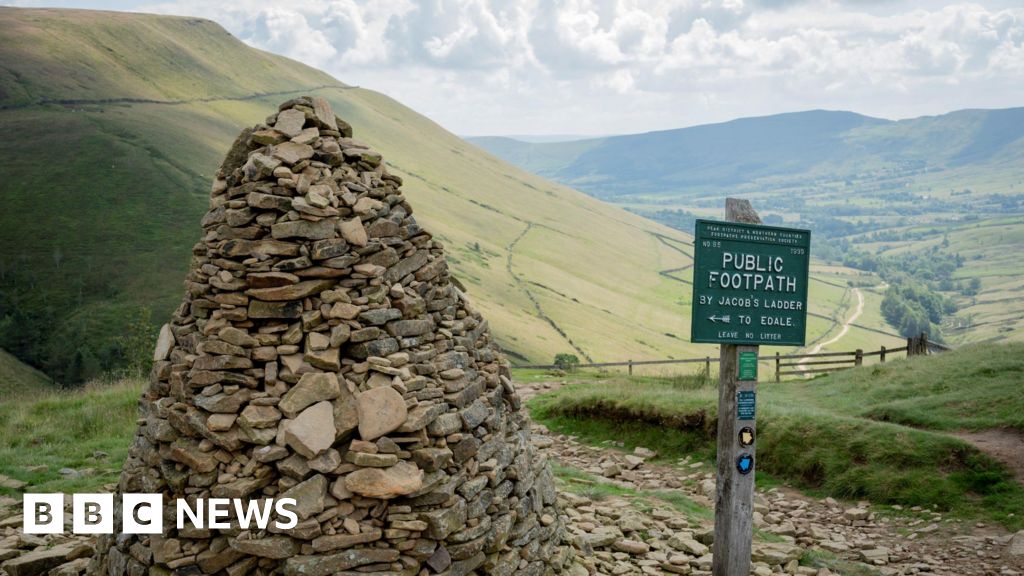
Seventy-five years ago, the Peak District was officially designated as the United Kingdom's first National Park, a landmark achievement in conservation and public access. Yet, its allure as a destination for solace, adventure, and natural beauty stretches back centuries, long before the formal recognition. This rugged, rolling landscape, often described as the 'lungs of the industrial North', has a multifaceted history, interwoven with tales of ancient trade routes, audacious engineering, and a pivotal struggle for the right to roam, ultimately transforming it into the cherished national treasure it is today.
The Ancient Allure: From Roman Roads to Curious Caves
The Peak District's magnetic pull is not a modern phenomenon. Its strategic location, nestled between major industrial cities, made it a vital corridor for millennia. Roman legions carved their way through its valleys, establishing routes that would later become essential for medieval traders and drovers. Evidence of early human habitation, from Neolithic burial mounds to Iron Age hill forts, dots the landscape, hinting at its enduring significance. But perhaps the most enduring and curious attractions are its geological wonders, particularly the network of caves around Castleton.
Among these, one stands out for its notoriously rude name: the Devil's Arse. This cavern, officially known as Peak Cavern, has been a draw for centuries, not just for its dramatic entrance but also for its historical use. For 400 years, it housed a community of rope makers, whose industry thrived within its natural shelter. The name itself, derived from the sound of water escaping from its depths, speaks to a raw, untamed nature that captivated early visitors. Alongside the Devil's Arse, other accessible caves like Speedwell Cavern, Blue John Cavern, and Treak Cliff Cavern offer glimpses into the region's rich mineral heritage, particularly the unique Blue John stone, found nowhere else in the world. These subterranean wonders were among the earliest 'tourist attractions', long before the concept of a national park even existed, drawing those with a thirst for the unusual and the spectacular.
Engineering Feats and the Dawn of Leisure Travel
While natural wonders were the initial draw, the 18th and 19th centuries brought a new wave of accessibility, primarily through the advent of canals and, more significantly, railways. The industrial revolution, which scarred much of Britain, paradoxically also laid the groundwork for mass tourism in areas like the Peak District. Canals, initially built for transporting goods like limestone and coal, inadvertently opened up scenic routes for pleasure boats. However, it was the railway boom that truly democratized access.
Lines like the Monsal Trail, originally part of the Manchester, Buxton, Matlock and Midlands Junction Railway, cut through dramatic valleys and over impressive viaducts, making the once-remote beauty of the Peak District accessible to the burgeoning urban populations. This engineering marvel, now a popular walking and cycling path, exemplifies the dual nature of industrial progress: it facilitated extraction but also enabled exploration. The railways brought day-trippers and holidaymakers from Manchester, Sheffield, and Derby, eager to escape the grime and noise of the cities for fresh air and picturesque views. This period marked a significant shift, transforming the Peak District from a landscape primarily for industry and agriculture into a nascent playground for the masses. The concept of 'taking the air' became a popular pastime, with towns like Buxton developing into spa resorts, further cementing the region's reputation as a health and leisure destination.
The Fight for the Right to Roam: The Kinder Scout Mass Trespass
The increasing desire for access, however, often clashed with private land ownership. Much of the Peak District, particularly its vast moorlands, was privately owned and used for grouse shooting. This led to growing frustration among working-class ramblers and outdoor enthusiasts who felt excluded from landscapes they believed should be enjoyed by all. The simmering discontent culminated in one of the most significant acts of civil disobedience in British history: the Kinder Scout Mass Trespass of April 24, 1932.
Organized by the British Workers' Sports Federation, hundreds of ramblers, primarily from Manchester and Sheffield, deliberately trespassed onto Kinder Scout, the highest point in the Peak District. Their aim was to highlight the restrictive land access laws and advocate for the right to walk freely on uncultivated land. The trespassers faced gamekeepers, and several were arrested and imprisoned, sparking national outrage and galvanizing public opinion. This event, though controversial at the time, is widely regarded as a pivotal moment in the campaign for public access to the countryside. It significantly contributed to the eventual passing of the National Parks and Access to the Countryside Act of 1949, which led to the designation of the Peak District as the UK's first National Park in 1951. The trespass was not just about walking; it was about social justice and the belief that nature should be a shared resource, not an exclusive privilege. Its legacy continues to resonate, reminding us of the importance of advocating for common goods and the power of collective action.
The Modern National Park: Balancing Preservation and Pleasure
Since its designation, the Peak District National Park Authority has faced the complex challenge of balancing conservation with recreation. With approximately 13 million visitors annually, it is one of the most visited national parks in the world. This immense popularity brings both benefits and pressures.
Benefits include: * Significant economic contribution to local communities through tourism. * Increased public awareness and appreciation for natural landscapes. * Funding opportunities for conservation projects and infrastructure.
Pressures include: * Erosion of footpaths and natural habitats. * Traffic congestion and parking issues in popular areas. * Strain on local services and infrastructure. * Potential for disturbance to wildlife.
The park actively manages these challenges through various initiatives: promoting sustainable transport, maintaining extensive path networks, engaging volunteers in conservation work, and educating visitors on responsible tourism. The creation of Dark Sky Discovery Sites within the park, for instance, highlights efforts to protect its natural night environment, offering unique stargazing opportunities away from urban light pollution. The Peak District remains a living landscape, with farming and quarrying continuing alongside tourism, requiring careful management to ensure its character and ecological integrity are preserved for future generations. Its success lies in its ability to adapt, evolve, and remain relevant to the needs of both nature and people.
A Legacy of Access and Inspiration
The Peak District's journey from a wild, sometimes forbidding landscape to a beloved national park is a powerful narrative of change, resilience, and public advocacy. From the ancient curiosity of the Devil's Arse to the revolutionary spirit of the Kinder Scout Mass Trespass, its history is a microcosm of Britain's evolving relationship with its natural environment. It stands as a testament to the foresight of those who campaigned for its protection and the enduring human need for connection with nature. As it celebrates 75 years, the Peak District continues to inspire millions, offering a sanctuary of peace, adventure, and breathtaking beauty. Its story is a reminder that access to nature is not merely a recreational pursuit but a fundamental right, vital for well-being and a source of profound national pride. The challenges of climate change and increasing visitor numbers will undoubtedly shape its future, but the foundational principles of conservation and access, forged over centuries, will remain its guiding light, ensuring that this pioneering national park continues to thrive for centuries to come.
Stay Informed
Get the world's most important stories delivered to your inbox.
No spam, unsubscribe anytime.
Comments
No comments yet. Be the first to share your thoughts!