From Throwaway to Timeless: The Rise of Sustainable DIY and Repair Culture
The global appetite for fast, disposable hardware is taking a heavy toll on our planet, from resource extraction to landfill waste. This article explores the growing movement towards sustainable DIY, advocating for durable tools, repairability, and a shift in consumer mindset. Discover how embracing a 'fix-it' philosophy can empower individuals and foster a more eco-conscious future.
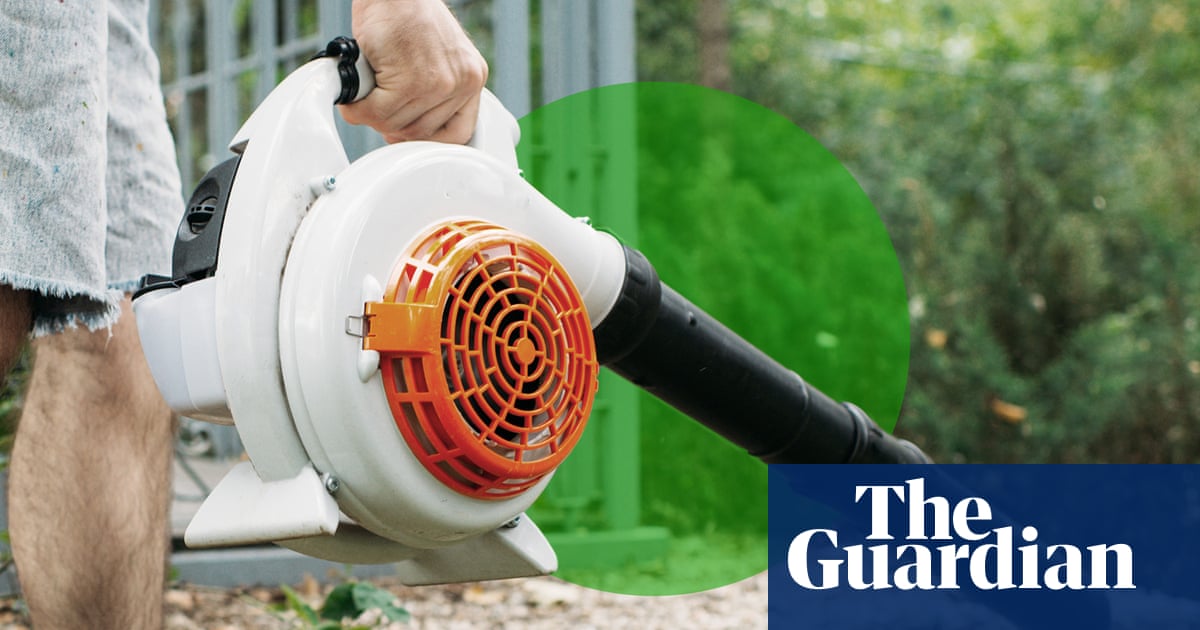
In an era defined by rapid consumption and planned obsolescence, the humble hardware store might seem an unlikely front line in the battle for environmental sustainability. Yet, the tools we wield, the materials we buy, and the culture of 'use and discard' that pervades many industries, including home improvement, are contributing significantly to global waste and pollution. A recent survey revealed that a staggering 57% of Australians consider themselves active DIYers, regularly embarking on home and garden projects. While this hands-on spirit is commendable, it often inadvertently fuels a cycle of purchasing cheap, short-lived tools and materials that quickly end up in landfills. But a powerful counter-narrative is emerging: a call for a sustainable DIY culture, one that prioritizes longevity, repair, and mindful consumption over convenience and disposability.
This isn't just about recycling a plastic drill casing; it's a fundamental re-evaluation of our relationship with the objects that build and maintain our lives. From the energy-intensive manufacturing processes of power tools to the environmental cost of extracting raw materials like steel, aluminum, and rare earth minerals, the lifecycle of hardware is far from benign. The journey towards a more sustainable future for DIY is complex, requiring innovation from manufacturers, conscious choices from consumers, and a societal embrace of the 'repair, don't replace' ethos.
The Hidden Environmental Cost of Our Toolboxes
The environmental footprint of our hardware addiction is substantial, yet often overlooked. Consider the journey of a typical power drill. Its creation begins with the mining of various metals and minerals, a process notorious for habitat destruction, water pollution, and high energy consumption. These raw materials are then transported, often across continents, to factories where they are processed, molded, and assembled using energy-intensive methods. The carbon emissions from these stages alone are significant. Furthermore, many modern tools are designed with built-in obsolescence, meaning they are not intended to last, or are made difficult and costly to repair. This drives consumers to replace rather than mend, perpetuating a linear 'take-make-dispose' economic model.
Once a tool reaches the end of its (often short) life, disposal becomes another challenge. Electronic components, batteries, and plastics often contain toxic substances that can leach into soil and water if not properly managed. Even seemingly innocuous items like paint brushes, solvents, and adhesives contribute to waste streams that are difficult to process. The sheer volume of discarded hardware and construction waste is a global problem, filling landfills and straining waste management systems. The construction and demolition sector, for instance, is one of the largest waste generators worldwide, and DIY projects contribute to this stream, albeit on a smaller scale individually, but cumulatively immense.
Shifting Mindsets: From Consumer to Steward
The shift towards sustainable DIY begins with a change in consumer mindset. Instead of viewing tools as disposable commodities, we must begin to see them as investments and resources to be cherished and maintained. This means prioritizing durability, repairability, and modularity when making purchasing decisions. Companies like Festool and Milwaukee Tool have long been lauded by professionals for their robust, long-lasting products, often with readily available spare parts and repair services. While these tools might carry a higher upfront cost, their extended lifespan and performance often make them more economical and certainly more environmentally friendly in the long run.
Beyond individual purchases, the concept of tool libraries and community repair workshops is gaining traction. These initiatives allow individuals to borrow specialized tools they might only need once or twice, reducing the need for multiple purchases and promoting resource sharing. Repair cafes, where volunteers help people fix broken items, are fostering a sense of community and empowering individuals with practical skills, directly combating the throwaway culture. This collaborative approach not only saves money and resources but also builds social capital and resilience within communities.
The Role of Manufacturers and Policy Makers
While consumer choices are crucial, systemic change also requires significant shifts from manufacturers and policy makers. Manufacturers have a responsibility to design products with the entire lifecycle in mind. This includes:
* Designing for Durability: Using high-quality materials and robust construction methods. * Ensuring Repairability: Making spare parts readily available, providing repair manuals, and designing components that can be easily replaced or serviced. * Modular Design: Creating tools where individual components can be upgraded or swapped out, extending the life of the core unit. * Responsible Sourcing: Committing to ethically and sustainably sourced raw materials. * Take-back Programs: Implementing initiatives for end-of-life product collection and recycling.
Policy makers, in turn, can incentivize these practices through regulations and economic levers. 'Right to Repair' legislation, for example, is emerging in various jurisdictions, mandating that manufacturers provide access to parts, tools, and information necessary for consumers and independent repair shops to fix products. Such policies are vital in dismantling the barriers to repair and promoting a circular economy. Additionally, governments can support research and development into greener manufacturing processes and materials, and fund public awareness campaigns to educate consumers about sustainable choices.
Embracing the Future: A DIY Renaissance
The future of DIY is not about abandoning our projects; it's about doing them better, smarter, and with greater respect for our planet. It's a renaissance of craftsmanship and resourcefulness, where the act of repairing and maintaining becomes as satisfying as building something new. This movement is about more than just environmentalism; it's about fostering self-reliance, developing valuable skills, and creating a deeper connection with the objects we use every day. Imagine a world where a broken washing machine isn't an immediate trip to the appliance store, but an opportunity to learn, to fix, and to extend its life. Imagine a world where a hand saw is passed down through generations, its nicks and wear marks telling a story of countless projects and shared memories.
This sustainable DIY culture is not a niche pursuit but a necessary evolution. It challenges the prevailing economic model that prioritizes endless growth and consumption, offering a path towards a more resilient, equitable, and environmentally sound future. By making conscious choices about the tools we buy, the materials we use, and the skills we cultivate, we can transform our weekends at the hardware store from a source of environmental strain into a powerful force for positive change. The power to fix it, truly, is in our hands.
Stay Informed
Get the world's most important stories delivered to your inbox.
No spam, unsubscribe anytime.
Comments
No comments yet. Be the first to share your thoughts!