Gas Price Shock: Experts Warn $3/Gallon May Not Return Until 2027, Fueling Economic Uncertainty
A former Trump energy secretary has warned that U.S. gas prices may not dip below $3 a gallon until 2027, a stark projection that signals prolonged economic pressure for consumers and businesses. This outlook challenges assumptions about a quick return to lower fuel costs, highlighting deeper structural issues in global energy markets. The implications extend beyond the pump, influencing inflation, consumer spending, and the broader economic landscape.
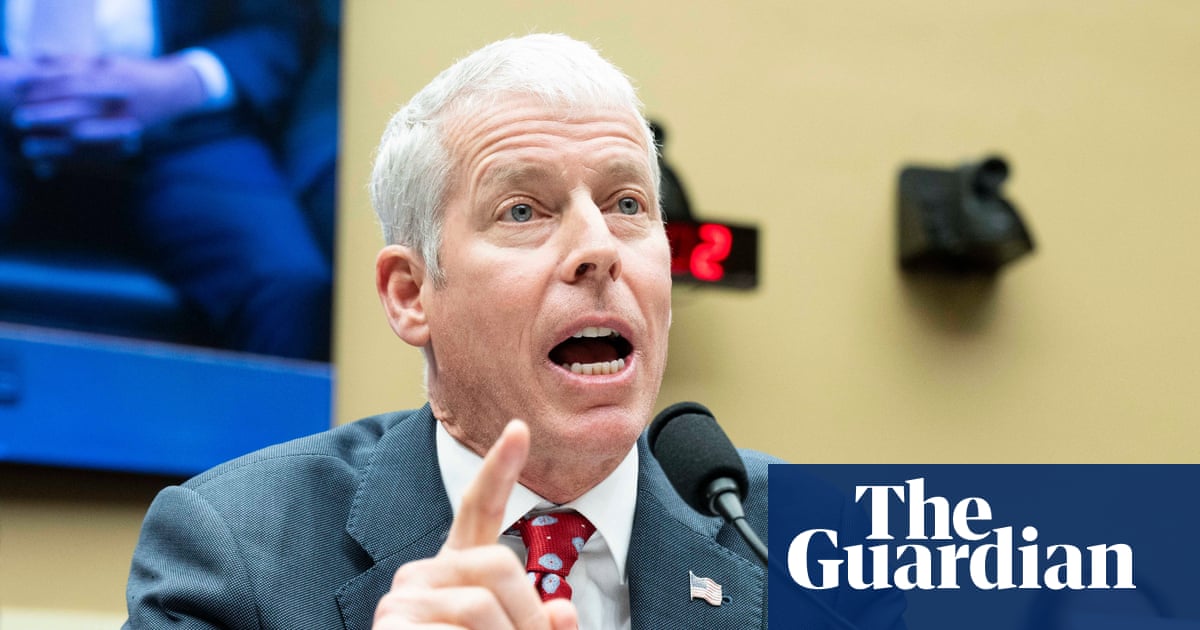
The specter of persistently high gasoline prices looms large over the American economy, with a former top energy official delivering a sobering forecast that could reshape consumer expectations and policy debates for years to come. Chris Wright, who served as energy secretary under the Trump administration, recently acknowledged that the return of U.S. gas prices below the psychologically significant $3 a gallon mark might not occur until 2027. This revelation, made during an interview with CNN's Jake Tapper, punctures the hope for a quick resolution to the current inflationary pressures and underscores the complex interplay of geopolitical factors, supply chain dynamics, and domestic energy policies.
For millions of Americans, the price at the pump is a tangible barometer of economic health, directly impacting household budgets and business operating costs. The average price soaring to $4 a gallon has already strained finances, forcing families to make difficult choices about discretionary spending and commute patterns. Wright's projection suggests that this strain is not a temporary blip but potentially a multi-year challenge, demanding a recalibration of economic strategies and personal financial planning.
The Unsettling Forecast: A Deeper Dive
Wright's candid admission that he "doesn't know" when lower gas prices will return, beyond the 2027 estimate for sub-$3 levels, reflects a profound uncertainty gripping energy markets. This isn't merely a matter of short-term supply and demand fluctuations; it points to more entrenched issues. Several factors contribute to this pessimistic outlook:
* Geopolitical Instability: Ongoing conflicts, particularly the war in Ukraine, have disrupted global energy supplies and exacerbated price volatility. Sanctions against major oil producers and the re-routing of energy flows create an environment of scarcity and speculative trading. * OPEC+ Policies: The Organization of the Petroleum Exporting Countries and its allies (OPEC+) have often prioritized market stability and producer revenues over increasing output to lower prices. Their cautious approach to supply increases keeps a floor under crude oil prices. * Underinvestment in Production: Years of underinvestment in new oil and gas exploration and production, partly driven by environmental concerns and the push towards renewable energy, mean that increasing supply quickly to meet demand is challenging. This creates a structural deficit. * Refining Capacity Constraints: Even if crude oil is abundant, the capacity to refine it into gasoline is not limitless. Refinery closures and maintenance issues can create bottlenecks, leading to higher prices for finished products. * Global Demand Growth: As major economies rebound and developing nations continue to industrialize, global demand for energy, including fossil fuels, remains robust, putting upward pressure on prices.
This confluence of factors suggests that the current era of elevated energy costs could be a "new normal" rather than a temporary anomaly. The $3 a gallon threshold, once a common benchmark, may become a nostalgic memory for the foreseeable future.
Economic Ripples: Beyond the Gas Station
The implications of sustained high gas prices extend far beyond the immediate cost to fill up a tank. They ripple through the entire economy, affecting various sectors and consumer behaviors:
* Inflationary Pressures: Fuel costs are a significant input for nearly all goods and services, from manufacturing to transportation. Higher gas prices translate into higher costs for businesses, which are often passed on to consumers in the form of increased prices for everything from groceries to clothing. This fuels broader inflation, eroding purchasing power. * Consumer Spending Habits: With a larger portion of disposable income allocated to fuel, consumers have less to spend on other goods and services. This can dampen retail sales, impact tourism, and slow economic growth. Families may cut back on vacations, dining out, and non-essential purchases. * Supply Chain Disruptions: Transportation costs are a critical component of supply chains. Elevated fuel prices increase the cost of moving goods, potentially leading to delays and further exacerbating supply chain inefficiencies. This can affect the availability and affordability of products. * Business Operating Costs: Industries heavily reliant on transportation, such as logistics, agriculture, and construction, face significantly higher operating costs. Small businesses, in particular, may struggle to absorb these increases, potentially leading to reduced profitability or even closures. * Shift in Consumer Behavior: Prolonged high prices could accelerate the shift towards more fuel-efficient vehicles, electric cars, and public transportation. While beneficial for environmental goals, this transition requires significant infrastructure investment and consumer adaptation.
Policy Responses and Future Outlook
The prospect of high gas prices for several more years presents a formidable challenge for policymakers. Potential responses and considerations include:
* Strategic Petroleum Reserve (SPR) Releases: While effective for short-term relief, repeated releases from the SPR are not a sustainable long-term solution and can deplete critical reserves. * Domestic Production Incentives: Governments might explore policies to incentivize increased domestic oil and gas production, balancing energy security with environmental objectives. This is a contentious area, often pitting economic needs against climate goals. * Investment in Renewables and EVs: Accelerating the transition to renewable energy sources and electric vehicles becomes even more critical. This requires substantial public and private investment in infrastructure, research, and development. * Taxation and Subsidies: Debates around gas taxes, fuel subsidies, and carbon pricing mechanisms will likely intensify, with each option carrying its own economic and political implications. * International Diplomacy: Engaging with major oil-producing nations and international bodies to ensure stable global energy markets will remain a priority.
Chris Wright's stark warning serves as a wake-up call, urging a realistic assessment of the energy landscape. The days of consistently cheap gasoline may be behind us for the foreseeable future, demanding resilience, innovation, and strategic planning from both individuals and governments. The path forward involves navigating a complex energy transition while managing the immediate economic realities of a world grappling with geopolitical shifts and environmental imperatives. The next few years will test the adaptability of economies and the resolve of policymakers to ensure energy security and affordability in an increasingly volatile global environment.
Stay Informed
Get the world's most important stories delivered to your inbox.
No spam, unsubscribe anytime.
Comments
No comments yet. Be the first to share your thoughts!