Gaza to Hormuz: Pakistan Warns of Cascading Crisis, Urges Urgent Diplomacy
Pakistan's permanent envoy to the UN has issued a stark warning about the escalating crisis in Gaza, emphasizing the potential for a broader regional spillover that could engulf vital waterways like the Strait of Hormuz. The diplomat called for sustained, unhindered humanitarian aid to Gaza and stressed the urgent need for international diplomacy to prevent a catastrophic regional conflict. This comes as global powers grapple with the complex geopolitical implications of the ongoing hostilities.
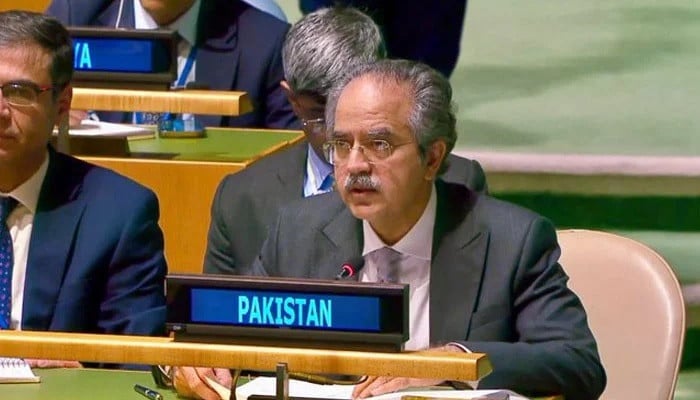
The geopolitical landscape of the Middle East hangs precariously, teetering on the brink of a wider conflagration. Pakistan, a significant voice in the Muslim world and a key player in regional stability, has issued a dire warning through its permanent envoy to the United Nations. The message is unequivocal: the escalating crisis in Gaza is not an isolated conflict but a potential trigger for a cascading regional crisis that could extend from the besieged Palestinian enclave all the way to the strategic Strait of Hormuz, a vital chokepoint for global oil supplies. This urgent plea for pressing diplomacy underscores the international community's growing apprehension over the conflict's far-reaching implications.
The Looming Specter of Regional Spillover
The conflict in Gaza, characterized by intense military operations and a devastating humanitarian crisis, has already sent ripples across the Middle East. Pakistan's envoy highlighted the significant risks of a broader regional spillover, warning that the current trajectory could lead to an unprecedented escalation. This concern is not unfounded; historical precedents demonstrate how localized conflicts in the region can quickly draw in multiple actors, transforming into complex, multi-front confrontations. The interconnectedness of regional security, economic interests, and political alliances means that an escalation in Gaza could ignite proxy conflicts, destabilize fragile states, and disrupt critical maritime routes. The Strait of Hormuz, through which a substantial portion of the world's oil transits, is particularly vulnerable to such disruptions, posing a direct threat to global energy security and the world economy.
Humanitarian Imperative and International Law
Central to Pakistan's message is the urgent call for sustained and unhindered humanitarian aid to Gaza. The envoy painted a grim picture of the humanitarian situation, emphasizing the severe shortages of food, water, medicine, and fuel, which have pushed the population to the brink of catastrophe. The plea for aid is not merely an act of compassion but a recognition of international humanitarian law, which mandates the protection of civilians and the provision of essential supplies in conflict zones. The obstruction of aid, whether intentional or unintentional, exacerbates suffering and can be seen as a violation of these fundamental principles. Ensuring the free flow of aid is not only a moral imperative but also a crucial step in de-escalating tensions and fostering an environment conducive to diplomatic solutions. The international community faces a critical test of its commitment to these principles, with calls for a permanent ceasefire growing louder amidst the ongoing suffering.
Reaffirming Sovereignty and Stability
Beyond the immediate crisis, Pakistan's statement also reaffirmed its support for the sovereignty of regional states. This aspect of the message is crucial in a region often characterized by external interference and internal power struggles. Respect for national sovereignty is a cornerstone of international law and a prerequisite for lasting peace and stability. By emphasizing this principle, Pakistan implicitly warns against actions that could further undermine the territorial integrity or political independence of nations in the Middle East. This stance reflects a broader desire to see a region where states can resolve their differences through dialogue and cooperation, free from the pressures of external actors or the destabilizing effects of cross-border conflicts. The long-term stability of the Middle East depends on a framework that respects national borders and promotes non-interference.
The Role of Diplomacy and Global Cooperation
Pakistan's call for pressing diplomacy is a recognition that military solutions alone cannot resolve the deep-seated issues fueling the conflict. Effective diplomacy requires a concerted effort from global powers, regional stakeholders, and international organizations. This includes: * Ceasefire negotiations: Immediate and sustained efforts to halt hostilities. * Humanitarian corridors: Ensuring safe and consistent access for aid. * Long-term political solutions: Addressing the root causes of the conflict, including the Palestinian question. * De-escalation mechanisms: Establishing channels for communication and conflict resolution to prevent miscalculations.
The historical context of the Israeli-Palestinian conflict, spanning decades of unresolved grievances, underscores the complexity of achieving a lasting peace. Previous diplomatic efforts, while yielding intermittent periods of calm, have often failed to address the core issues. The current crisis demands a renewed, more robust, and inclusive diplomatic approach that involves all relevant parties and is backed by the collective will of the international community. The stakes are incredibly high, not just for the immediate region but for global peace and economic stability.
A Path Forward: Preventing Catastrophe
The warnings from Pakistan serve as a stark reminder of the interconnectedness of global security. The crisis in Gaza is not merely a regional issue but a global concern with potential ramifications for energy markets, international trade, and the broader geopolitical balance. The international community, therefore, has a shared responsibility to act decisively and collectively. The path forward must prioritize:
* Immediate de-escalation: Halting all military activities and protecting civilian lives. * Unimpeded humanitarian access: Ensuring aid reaches those in desperate need. * Robust diplomatic engagement: Facilitating dialogue and negotiations towards a just and lasting peace, based on international law and relevant UN resolutions. * Regional stability initiatives: Supporting efforts to prevent the conflict from spreading and to foster cooperation among regional states.
Failure to heed these warnings could plunge the Middle East into a deeper, more destructive conflict, with unpredictable and devastating consequences for millions. The call for restraint and diplomacy is not just a plea for peace; it is an urgent appeal to prevent a catastrophic future that no nation, or indeed the world, can afford.
Stay Informed
Get the world's most important stories delivered to your inbox.
No spam, unsubscribe anytime.
Comments
No comments yet. Be the first to share your thoughts!