Ghana to Host Landmark Global Reparations Summit After UN Slavery Resolution
Ghana is set to host a pivotal international conference on reparatory justice in June, following a historic United Nations resolution on slavery. This summit marks a significant step in the global movement advocating for reparations for the transatlantic slave trade and colonialism. With overwhelming UN support, the conference aims to forge a united front and practical pathways toward rectifying historical injustices. It represents a crucial moment for dialogue and action on a long-standing moral and economic imperative.
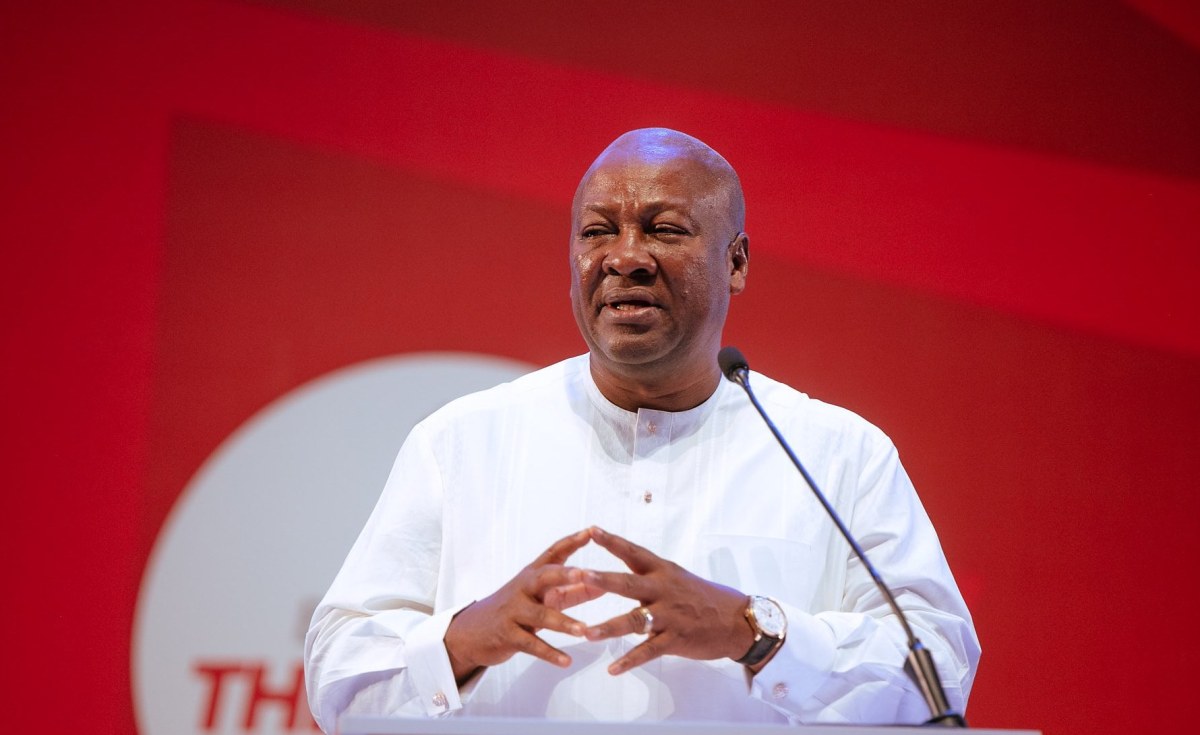
The echoes of history, often suppressed but never truly silenced, are reverberating with renewed force across the globe. In a landmark development, Ghana is poised to host an international conference on reparatory justice in June, a direct consequence of a momentous United Nations resolution on slavery. This upcoming summit is not merely another diplomatic gathering; it represents a pivotal moment in the centuries-long struggle for recognition, accountability, and restitution for the horrific transatlantic slave trade and the enduring legacies of colonialism. The UN resolution, passed with an overwhelming majority of 123 member states in favor and only three against, underscores a growing international consensus that the time for addressing these historical injustices is long overdue.
For generations, activists, scholars, and affected communities have tirelessly campaigned for reparations, arguing that the wealth accumulated through the brutal exploitation of millions of Africans and their descendants continues to fuel systemic inequalities today. Ghana, a nation with a profound connection to this history, having been a central point for the slave trade, is now stepping onto the global stage to lead this critical conversation. The conference is expected to bring together heads of state, international organizations, civil society groups, and legal experts to deliberate on concrete mechanisms for reparatory justice, moving beyond abstract discussions to tangible actions.
The UN Resolution: A Catalyst for Change
The recent UN resolution serves as a powerful international mandate, providing significant political momentum to the reparations movement. While the specific details of the resolution and its immediate actionable items are still being fully elucidated, its passage signals a profound shift in global consciousness. The overwhelming vote in its favor, with only a handful of nations opposing, indicates a broad acknowledgment of the historical wrongs committed and the need for their rectification. This resolution is not just symbolic; it empowers nations like Ghana to convene and champion initiatives aimed at addressing the economic, social, and psychological damage inflicted by slavery and colonialism.
Historically, discussions around reparations have often been met with resistance, skepticism, or outright denial, particularly from former colonial powers. Arguments have ranged from the impracticality of identifying beneficiaries to the notion that current generations should not be held responsible for the actions of their ancestors. However, the UN vote suggests a diminishing appetite for such arguments, with a growing recognition that the systemic disadvantages faced by descendants of enslaved people are direct consequences of these historical crimes. The resolution opens doors for international cooperation, potentially paving the way for multilateral approaches to reparatory justice, rather than leaving it solely to bilateral negotiations which have often stalled.
Ghana's Leadership: From Door of No Return to Gateway of Justice
Ghana's decision to host this crucial conference is deeply symbolic and strategically significant. The country's coastline is dotted with slave castles, such as Elmina and Cape Coast, which served as the last points of contact for millions of Africans before their forced journey across the Atlantic. These sites, now poignant memorials, are often referred to as the 'Door of No Return.' By hosting this conference, Ghana is transforming itself from a historical site of profound suffering into a contemporary beacon of hope and justice, a 'Gateway of Return' for dialogue and healing.
Under the leadership of President Nana Akufo-Addo, Ghana has been a vocal advocate for reparatory justice, emphasizing that the issue is not merely about historical grievances but about addressing present-day economic disparities and racial injustices. The conference in Accra will likely focus on several key themes: defining what reparations entail (e.g., financial compensation, land restitution, educational programs, cultural restoration, psychological rehabilitation), identifying responsible parties, and establishing mechanisms for implementation. It will also seek to build a unified global strategy, ensuring that the movement speaks with one voice and presents a coherent framework for action.
The Complexities and Challenges of Reparations
While the momentum for reparations is undeniable, the path forward is fraught with complexities. One of the primary challenges lies in defining the scope and form of reparations. Should it be direct financial payments to individuals, investments in affected communities, educational endowments, or a combination of these? How does one quantify centuries of stolen labor, lost lives, and cultural devastation? The legal and logistical hurdles are immense, requiring innovative approaches and a willingness to transcend traditional legal frameworks.
Another significant challenge is identifying the responsible parties and securing their participation. While some former colonial powers have acknowledged their historical roles, few have committed to comprehensive reparatory programs. The conference will need to address how to compel or persuade these nations to engage meaningfully. Furthermore, the question of who qualifies as a beneficiary is critical. Should reparations be limited to direct descendants of enslaved people, or should they extend to entire nations and communities that suffered under colonial rule? These are not easy questions, and the conference will serve as a crucial forum for robust debate and the forging of consensus.
Moreover, the economic implications are vast. Critics often point to the immense financial cost, but proponents argue that the cost of inaction – the perpetuation of systemic inequality and injustice – is far greater. The conference will need to explore sustainable funding models, potentially involving international funds, contributions from corporations that benefited from slavery, and national commitments.
A Forward-Looking Perspective: Beyond Apologies to Action
The Ghana conference represents a pivotal moment where the global community moves beyond mere apologies to concrete action. It is an opportunity to reframe the narrative, acknowledging that the fight for reparatory justice is not about guilt-tripping past generations but about building a more equitable future. The discussions in Accra will undoubtedly be challenging, but they are essential for healing historical wounds and fostering genuine reconciliation.
For readers, this development signifies a critical juncture in international relations and human rights. It underscores the interconnectedness of history and contemporary issues, reminding us that past injustices continue to shape our present. The outcomes of this conference could set precedents for addressing other historical wrongs and redefine the very concept of global justice. It calls upon all nations to reflect on their histories, acknowledge their roles, and contribute to a world where the principles of equality and dignity are not just ideals, but lived realities. The world will be watching Ghana in June, as it hosts a conference that promises to be a true turning point in the quest for global reparatory justice, paving the way for a future built on equity and truth.
Stay Informed
Get the world's most important stories delivered to your inbox.
No spam, unsubscribe anytime.
Comments
No comments yet. Be the first to share your thoughts!