Global Health Crisis: How Trump's Aid Cuts Devastated International Family Planning
The Trump administration's decision to withhold over $500 million in congressionally allocated funds for international family planning programs has created a severe global health crisis. This policy, rooted in the Mexico City Policy, has led to clinic closures, increased unsafe abortions, and a rise in preventable maternal deaths, particularly impacting vulnerable women in developing nations. The consequences are far-reaching, undermining decades of progress in reproductive health and women's empowerment worldwide.
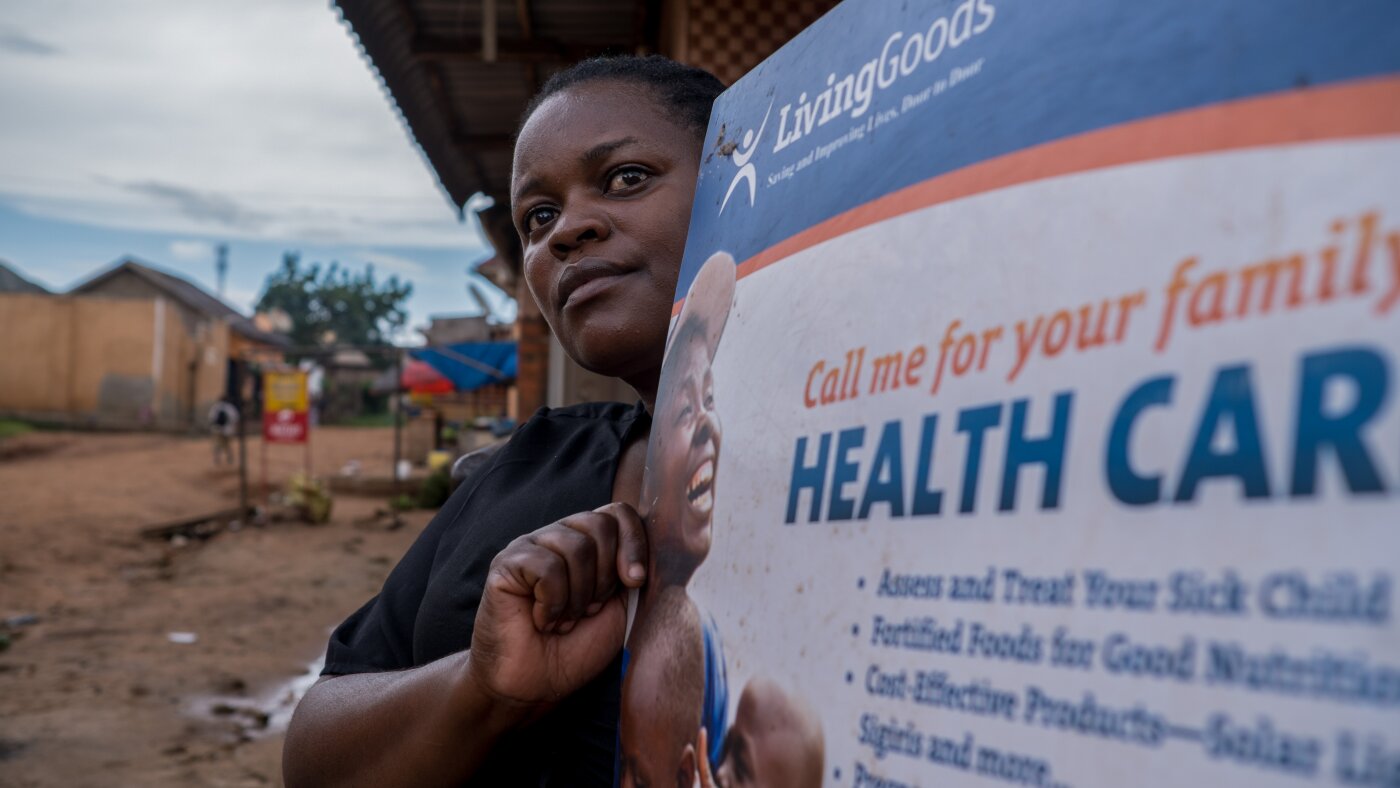
The familiar hum of a text message, "I'm on your veranda," once signaled a desperate plea for help in central Uganda. For years, Prossy Muyingo, a dedicated community health worker, provided solace and solutions to women like the 28-year-old who sought contraception and counsel under the cloak of night. Muyingo was a lifeline, part of a vast network of international family planning initiatives supported by U.S. funding, designed to empower women, prevent unintended pregnancies, and save lives. But this vital network, a cornerstone of global health, was severely fractured when the Trump administration, through an expanded Mexico City Policy, effectively froze over $500 million in congressionally allocated funds for these programs. The ripple effects of this decision have been catastrophic, unraveling decades of progress and plunging countless women and communities into deeper peril.
The Unseen Toll: Clinics Close, Lives Lost
Across sub-Saharan Africa, Latin America, and Asia, the impact of the funding freeze has been immediate and devastating. Organizations that once received U.S. support, often the largest single donor for family planning, were forced to make impossible choices. Clinics closed, staff were laid off, and essential services – from contraception distribution to maternal health care and HIV prevention – became inaccessible. In Uganda, where Prossy Muyingo worked, the withdrawal of funds meant the collapse of programs that had provided critical reproductive health services to rural women. These services are not just about preventing births; they are about empowering women to control their bodies and futures, reducing maternal mortality, and improving overall community health.
For instance, the International Planned Parenthood Federation (IPPF), a major recipient of U.S. aid, lost approximately $100 million in funding. This loss directly translated into a significant reduction in services. IPPF reported that the policy led to a projected 2 million fewer women and girls receiving contraceptive services annually, potentially resulting in 8 million unintended pregnancies, 3 million unsafe abortions, and 11,000 maternal deaths over a five-year period. These are not mere statistics; they represent individual tragedies, shattered families, and communities struggling under the weight of preventable suffering.
The Mexico City Policy: A Political Weapon with Global Consequences
The Mexico City Policy, also known as the Global Gag Rule, prohibits international non-governmental organizations (NGOs) that receive U.S. funding from providing abortion services, counseling, or referrals, even if they use their own non-U.S. funds for these activities. First enacted by President Reagan in 1984, it has been rescinded by Democratic administrations and reinstated by Republican ones. The Trump administration's version was the most expansive to date, extending beyond family planning funds to nearly all global health assistance, totaling an estimated $12 billion. This broad application meant that organizations involved in HIV/AIDS prevention, malaria eradication, and tuberculosis treatment were also forced to choose between U.S. funding and providing comprehensive reproductive health information.
Critics argue that the policy is counterproductive, as it often leads to an increase in unsafe abortions by limiting access to contraception and comprehensive family planning. When women cannot access modern contraception, they are more likely to face unintended pregnancies, and in countries where abortion is illegal or highly restricted, they may resort to dangerous, clandestine procedures. This directly contradicts the stated goal of reducing abortions, instead making them more perilous. The policy also undermines the principle of medical ethics, forcing health providers to withhold vital information from their patients.
Decades of Progress Undermined
The U.S. has historically been the largest donor to international family planning, playing a crucial role in improving global health outcomes. Over the past few decades, these investments have led to remarkable achievements:
* Reduced maternal mortality: Access to family planning allows women to space births, reducing risks associated with frequent or high-risk pregnancies. * Lower rates of unintended pregnancies: Contraception empowers women to plan their families, leading to better health for mothers and children. * Empowerment of women and girls: Family planning enables girls to stay in school longer and women to participate more fully in the workforce, fostering economic development. * HIV/AIDS prevention: Integrating family planning with HIV services helps prevent mother-to-child transmission and reduces new infections.
The withdrawal of U.S. funding has created a massive void that other donors, despite their best efforts, cannot fully fill. This has forced organizations to scale back or shut down programs that were the culmination of years of dedicated work and investment. The long-term consequences include a potential rise in population growth in already resource-strained regions, increased pressure on health systems, and a reversal of gains in gender equality.
The Human Cost: Stories from the Front Lines
The statistics, while stark, cannot fully capture the human suffering. Consider the story of a young woman in rural Kenya who, due to clinic closures, can no longer access the injectable contraceptive she relies on. Fearing another pregnancy she cannot afford, she might resort to desperate measures. Or the community health worker, like Prossy Muyingo, who now faces women with tears in their eyes, unable to offer the help she once could. These individual stories paint a grim picture of a policy that, while ostensibly aimed at moral principles, has tangible, devastating effects on the most vulnerable populations.
Organizations like Marie Stopes International (now MSI Reproductive Choices), another major provider of family planning services, also reported significant cuts. They estimated that the policy would lead to 6.5 million unintended pregnancies, 2.1 million unsafe abortions, and 21,700 maternal deaths over the course of the Trump administration. These projections highlight the severe public health crisis instigated by the funding freeze.
Looking Ahead: Rebuilding Trust and Restoring Services
With the change in U.S. administration, President Biden swiftly rescinded the expanded Mexico City Policy, signaling a return to supporting comprehensive reproductive health services globally. However, the damage inflicted by the four-year freeze is not easily undone. Rebuilding trust with international partners, restoring dismantled programs, and re-establishing supply chains for contraceptives will take time and significant effort. The episode serves as a stark reminder of how U.S. foreign policy, particularly concerning global health, can have profound and immediate impacts on the lives of millions worldwide.
The international community, including organizations like the United Nations Population Fund (UNFPA), continues to advocate for sustained and predictable funding for family planning. The crisis underscored the fragility of global health infrastructure when reliant on politically volatile funding. Moving forward, there is a critical need for diversified funding sources, stronger international partnerships, and a consistent commitment to evidence-based health policies that prioritize the well-being and autonomy of women and girls everywhere. The veranda may be empty for now, but the fight for accessible reproductive healthcare continues, with the hope that no woman will ever again be left without a lifeline.
Stay Informed
Get the world's most important stories delivered to your inbox.
No spam, unsubscribe anytime.
Comments
No comments yet. Be the first to share your thoughts!