Global Oil Reserves Plummet: Iran War Ignites Unprecedented Supply Shock Fears
The world is rapidly depleting its strategic oil inventories at an alarming rate, a direct consequence of the escalating conflict in Iran. This unprecedented drawdown is eating into the crucial buffer against supply shocks, pushing global energy markets to a precarious brink. Experts warn that the shrinking stockpiles amplify the risk of severe economic disruptions, with potential ripple effects across industries and consumer prices.
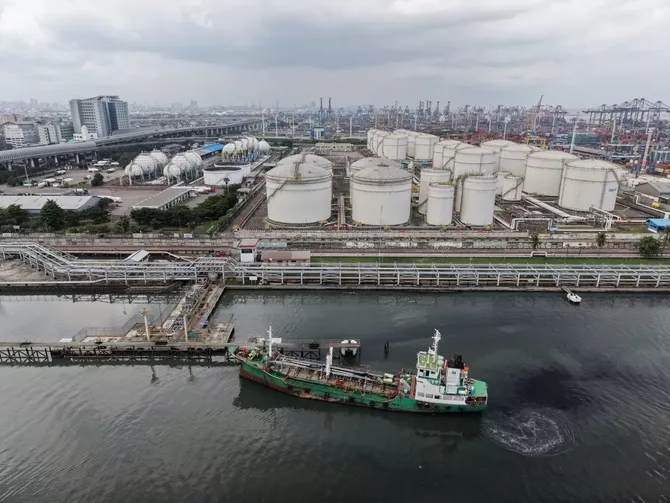
The global energy landscape is teetering on the edge of an unprecedented crisis, as strategic oil inventories are being consumed at a record-breaking pace. The primary catalyst for this alarming depletion is the ongoing conflict in Iran, which has severely throttled crude oil flows from the Persian Gulf—a region historically vital for global energy supply. This rapid drawdown is not merely a market fluctuation; it represents a dangerous erosion of the very buffer designed to protect the world from sudden supply shocks, signaling a precarious future for energy security and economic stability.
For decades, nations and international bodies have maintained strategic petroleum reserves precisely to mitigate the impact of geopolitical disruptions or natural disasters on oil supply. These reserves act as a critical safety net, allowing economies time to adjust and preventing immediate, catastrophic price spikes. However, the current rate of consumption, driven by the Iran war's impact on production and shipping lanes, suggests that this safety net is thinning rapidly, leaving the global economy exposed to an elevated risk of severe energy shortages and exorbitant price volatility.
The Geopolitical Crucible: Iran and Global Oil Flow
The Persian Gulf, bordered by major oil-producing nations including Iran, Saudi Arabia, and Iraq, is a chokepoint for a significant portion of the world's oil trade. The Strait of Hormuz, in particular, is a narrow waterway through which roughly one-fifth of the world's total oil supply passes daily. The escalating conflict involving Iran has introduced immense instability to this critical region. Naval blockades, threats to shipping, and direct attacks on oil infrastructure, whether real or perceived, have created a climate of extreme uncertainty. This has led to a reduction in actual crude exports from the region and, crucially, a risk premium being built into oil prices, even as countries tap into their reserves to meet demand.
The war's impact extends beyond just physical supply disruptions. It has also deterred investment in new exploration and production in the region, exacerbating long-term supply concerns. Furthermore, the conflict has complicated global shipping routes, increasing insurance costs and transit times, which indirectly contributes to the strain on existing inventories. The ripple effect is profound, touching everything from maritime logistics to global trade balances.
Unprecedented Depletion: A Closer Look at the Numbers
While specific figures are often closely guarded, reports from international energy agencies and market analysts paint a stark picture. Global commercial and strategic petroleum inventories, which typically hover around a certain level to provide several months of supply cover, are now reportedly at their lowest levels in years, potentially decades, relative to demand. This rapid drawdown is not a seasonal adjustment but a sustained trend directly linked to the geopolitical crisis.
Consider these implications: * Strategic Petroleum Reserves (SPRs): Many nations, including the United States, have historically maintained large SPRs. While these have been tapped during previous crises, the current rate of depletion is raising concerns about their remaining capacity to absorb future shocks. * Commercial Inventories: Oil held by private companies in storage tanks, refineries, and pipelines is also shrinking. This indicates that the market is struggling to meet demand from current production alone, forcing it to dip into stored supplies. * Demand Dynamics: Despite global economic slowdowns in some sectors, overall oil demand, particularly from emerging economies, remains robust. This sustained demand against a backdrop of constrained supply accelerates the inventory drawdown.
This situation creates a dangerous feedback loop: as inventories fall, market anxiety rises, potentially leading to speculative buying and further price increases, which in turn incentivizes more rapid depletion of existing stocks.
Economic Fallout and Global Implications
The shrinking oil buffer has far-reaching economic consequences. For consumers, the most immediate impact is likely to be higher fuel prices, affecting everything from gasoline at the pump to the cost of goods transported by road, sea, or air. This inflationary pressure can stifle economic growth, reduce consumer spending, and potentially trigger recessions in vulnerable economies.
Industries heavily reliant on petroleum, such as transportation, manufacturing, and petrochemicals, face increased operational costs and reduced profit margins. Small and medium-sized enterprises (SMEs) are particularly vulnerable to these shocks, lacking the financial resilience of larger corporations. Governments, in turn, face difficult choices: either subsidize energy costs, straining national budgets, or allow prices to rise, risking social unrest and economic downturns.
Moreover, the crisis could exacerbate geopolitical rivalries as nations compete for dwindling supplies. Energy security becomes a paramount national interest, potentially leading to new alliances or heightened tensions over access to remaining resources. The stability of international relations could be severely tested in such an environment.
Navigating the Perilous Path Ahead
The path forward is fraught with challenges. Addressing the rapid depletion of oil inventories requires a multifaceted approach involving both short-term crisis management and long-term strategic shifts.
In the immediate term, international cooperation is crucial. This could involve coordinated releases from remaining strategic reserves, diplomatic efforts to de-escalate the Iran conflict, and ensuring the safety of shipping lanes in the Persian Gulf. However, these are temporary measures that do not address the fundamental imbalance.
For the long term, the crisis underscores the urgent need for diversification of energy sources and accelerated investment in renewable energy technologies. Reducing global reliance on fossil fuels, particularly from volatile regions, is not just an environmental imperative but an economic and geopolitical necessity. Governments and corporations must prioritize:
* Renewable Energy Infrastructure: Massive investment in solar, wind, hydro, and geothermal power to reduce demand for oil. * Energy Efficiency: Implementing policies and technologies that reduce overall energy consumption across all sectors. * Strategic Partnerships: Forging alliances with stable, diverse energy suppliers and developing regional energy grids. * Technological Innovation: Investing in advanced battery storage, electric vehicles, and carbon capture technologies.
In conclusion, the rapid consumption of global oil inventories, fueled by the Iran war, represents a critical juncture for the world economy. The dwindling buffer against supply shocks demands immediate attention and a concerted global effort. Failure to address this precarious situation could lead to sustained economic instability, widespread inflationary pressures, and heightened geopolitical tensions. The current crisis serves as a stark reminder that energy security is inextricably linked to global peace and prosperity, urging a decisive pivot towards a more resilient and sustainable energy future.
Stay Informed
Get the world's most important stories delivered to your inbox.
No spam, unsubscribe anytime.
Comments
No comments yet. Be the first to share your thoughts!