Global Volatility Rises: Japan's Yen Defense, Middle East Tensions, and Energy Security Concerns
As Japan intervenes to stabilize its currency and warns of further action, geopolitical risks escalate with reports of potential US military action against Iran. ASEAN nations voice deep concerns over the Middle East conflict's impact on energy markets and regional economic stability. These intertwined crises paint a picture of heightened global uncertainty affecting economies worldwide.
The global economic landscape is increasingly defined by a confluence of geopolitical tensions and sovereign financial interventions. From Tokyo's currency battle to the simmering conflicts in the Middle East, the tremors of instability are reverberating across continents, prompting nations to brace for potential economic fallout. This intricate web of events, unfolding rapidly, demands close attention from policymakers, investors, and citizens alike, as the promise of a stable global order faces unprecedented challenges.
Japan's Bold Stance: Defending the Yen Amidst Global Pressures
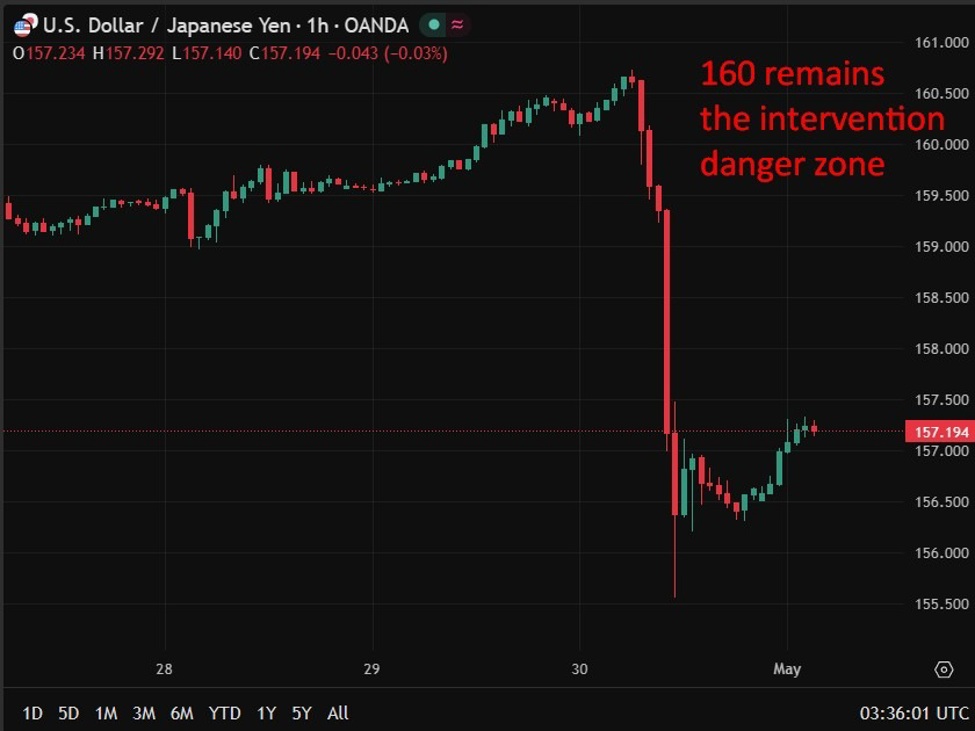
Japan, a nation synonymous with economic precision and strategic foresight, has once again found itself at the forefront of currency market intervention. On Friday, May 1, 2026, the Bank of Japan (BOJ) stepped into the foreign exchange market to defend its beleaguered currency, the yen, which has been under significant depreciatory pressure. This move, a clear signal of Tokyo's resolve, was accompanied by a stern warning: further action is not only possible but likely, especially as the nation approaches its Golden Week holiday period. The intervention underscores a broader concern within Japan regarding the yen's rapid decline, which inflates import costs, squeezes household budgets, and complicates the BOJ's delicate dance between supporting economic growth and managing inflation.
The yen's weakness is a multifaceted issue, driven by the stark divergence in monetary policy between Japan and other major economies, particularly the United States. While the US Federal Reserve has maintained a relatively hawkish stance, keeping interest rates elevated to combat inflation, the BOJ has largely stuck to its ultra-loose monetary policy, including negative interest rates and yield curve control, until very recently. This interest rate differential makes yen-denominated assets less attractive to international investors, leading to capital outflows and a weaker currency. The Japanese government and the BOJ view excessive volatility and speculative movements as detrimental to their economy, necessitating direct intervention to restore order and protect economic stability. The timing of the warning, ahead of a major holiday, suggests an attempt to deter speculative attacks during periods of thinner trading volume.
Geopolitical Storm Clouds: The Middle East on Edge
Adding another layer of complexity to the global outlook are the escalating tensions in the Middle East. Reports indicate that former President Donald Trump received a briefing on plans for possible military action against Iran, a development that, if true, signals a perilous escalation of an already volatile situation. Such a move would have profound implications, not only for the immediate region but for global energy markets, international trade routes, and diplomatic relations worldwide. The prospect of direct military confrontation between major powers or their proxies in the Middle East sends shivers through financial markets, often leading to a flight to safety and increased commodity prices.
The Middle East has long been a geopolitical tinderbox, and recent events have only intensified the fragility. The region's strategic importance, primarily due to its vast oil and gas reserves, means that any significant conflict there can send shockwaves through the global economy. Energy security, in particular, becomes a paramount concern, as disruptions to supply chains or production can lead to soaring prices, impacting industries and consumers globally. The potential for a wider regional conflict also raises humanitarian concerns, refugee crises, and the risk of drawing in other international actors, further complicating the geopolitical chessboard.
ASEAN's Alarm: Energy Security and Regional Growth at Risk
The ripple effects of Middle Eastern instability are keenly felt in Asia, particularly among the nations of the Association of Southeast Asian Nations (ASEAN). Ministers from these dynamic economies have issued a stark warning: the ongoing conflict in the Middle East poses a direct threat to both energy security and regional economic growth. ASEAN, a bloc of ten member states with a collective GDP exceeding $3 trillion, is heavily reliant on imported energy, especially oil, to fuel its rapidly expanding economies. Disruptions to global oil supplies or significant price hikes would directly impact their industrial output, transportation costs, and overall economic stability.
Their concerns are well-founded. A prolonged or intensified conflict could lead to:
* Spiking Oil Prices: Interruptions in oil production or transit routes, particularly through critical chokepoints like the Strait of Hormuz, would inevitably drive up global crude prices. This would translate into higher fuel costs for businesses and consumers across ASEAN, fueling inflation and potentially dampening consumer spending and investment. * Supply Chain Disruptions: Beyond energy, the Middle East is a vital transit corridor for global trade. Any military action or heightened insecurity could disrupt shipping lanes, leading to delays, increased freight costs, and challenges in sourcing raw materials and delivering finished goods. * Investment Uncertainty: Geopolitical instability creates an environment of uncertainty, deterring foreign direct investment (FDI) into the region. Investors prefer predictable and stable environments, and a volatile Middle East could make the broader Asian region seem riskier, impacting long-term growth prospects. * Inflationary Pressures: Higher energy and shipping costs would feed into broader inflationary pressures, complicating the task of central banks in managing monetary policy and maintaining price stability.
The Interconnected Global Economy: A Web of Vulnerabilities
These seemingly disparate events – Japan's currency intervention and the Middle East's geopolitical tremors – are, in fact, deeply interconnected within the intricate web of the global economy. A weaker yen, while potentially boosting Japanese exports, also makes energy imports more expensive for Japan, a nation highly dependent on foreign oil and gas. Conversely, a stable yen, achieved through intervention, could help mitigate the impact of rising global energy prices on Japanese consumers and businesses.
Similarly, the Middle East conflict's impact on energy prices has a direct bearing on the global economic outlook. Higher energy costs can dampen global demand, increase production costs, and contribute to inflationary pressures worldwide, potentially forcing central banks to maintain tighter monetary policies for longer. This, in turn, could exacerbate the interest rate differentials that are currently putting pressure on currencies like the Japanese yen. The interplay of these factors creates a complex feedback loop, where instability in one region can quickly amplify challenges in another.
Navigating the Future: A Path of Prudence and Adaptation
As the world grapples with these converging crises, the path forward demands a combination of proactive policy-making, diplomatic engagement, and economic resilience. For Japan, continued vigilance in currency markets and a clear communication strategy regarding its monetary policy will be crucial. For the international community, de-escalation efforts in the Middle East and a renewed focus on diplomatic solutions are paramount to prevent a wider conflagration.
ASEAN nations, meanwhile, must continue to diversify their energy sources, strengthen regional trade ties, and build robust supply chain resilience to mitigate external shocks. The current climate underscores the urgent need for nations to collaborate on global challenges, from economic stability to geopolitical security. The lessons from these unfolding events are clear: in an interconnected world, no nation is an island, and collective action is often the most effective response to shared vulnerabilities. The coming months will test the resolve and adaptability of global leaders as they navigate these turbulent waters, striving to ensure a stable and prosperous future for their citizens amidst a landscape of persistent uncertainty.
Stay Informed
Get the world's most important stories delivered to your inbox.
No spam, unsubscribe anytime.
Comments
No comments yet. Be the first to share your thoughts!