Google Home's Smart Evolution: Camera Feeds, Media Controls, and the AI Revolution Unfold
Google Home is rolling out significant updates, enhancing media controls for all users and integrating advanced AI capabilities via Gemini for Premium subscribers. This overhaul aims to streamline smart home management, offering more intuitive device interaction and a glimpse into the future of ambient computing. The update promises a more connected and responsive smart home ecosystem, setting a new standard for user experience.
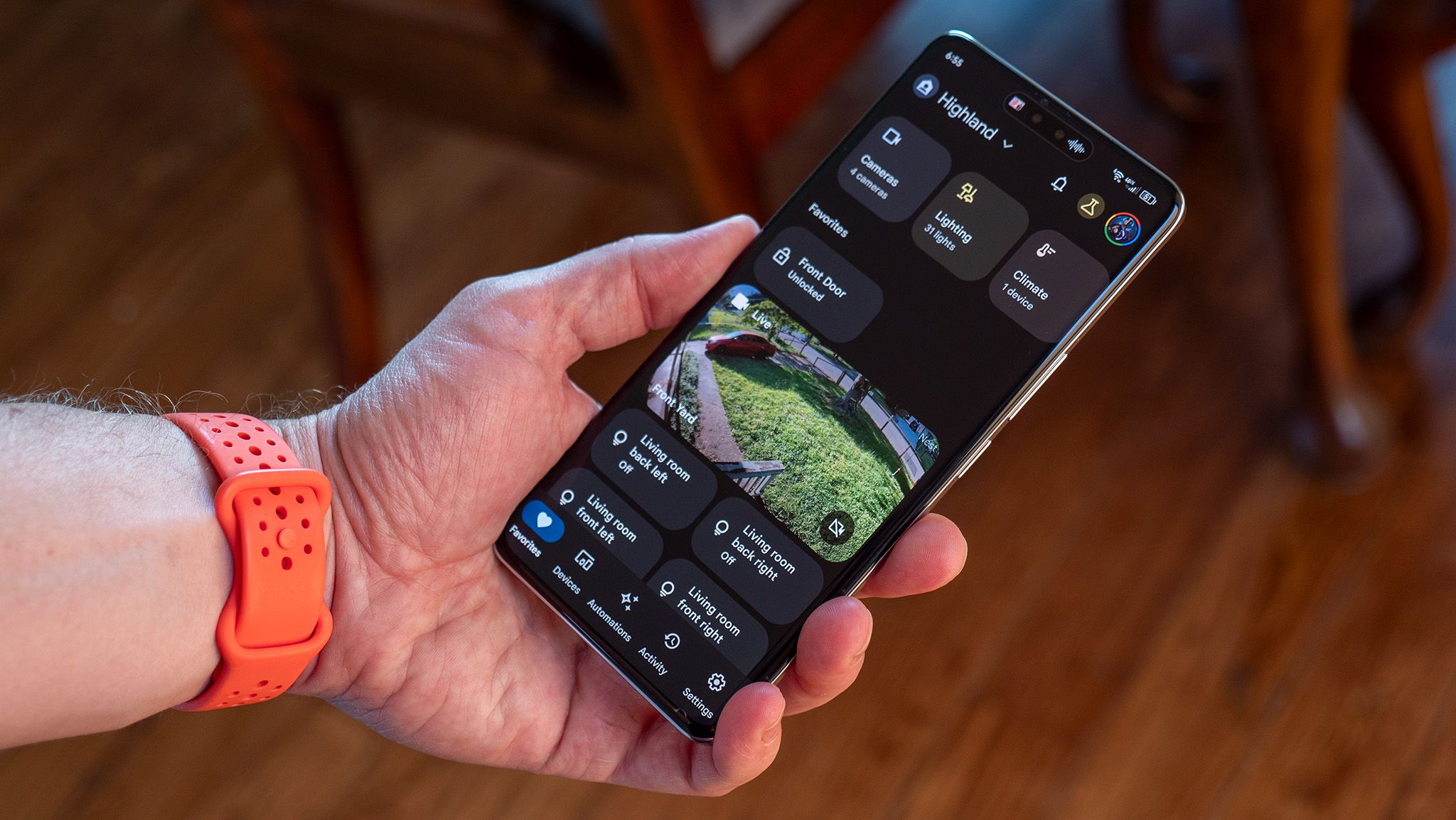
In an era where our homes are becoming increasingly intelligent, the seamless integration of technology into daily life is paramount. Google Home, a cornerstone of the smart home ecosystem, is not just keeping pace but actively shaping the future with a series of significant updates. This week marks a pivotal moment as Google begins rolling out enhancements that promise to redefine convenience, control, and connectivity for millions of users worldwide. From revamped media controls to the early access integration of Gemini's advanced AI, these changes are more than mere tweaks; they represent a strategic evolution in Google's vision for ambient computing.
For years, Google Home has been synonymous with voice-activated assistance and smart device management. Its journey began with simple smart speakers, evolving into a comprehensive platform that orchestrates everything from lighting to security. However, as the smart home landscape matured, so did user expectations. The demand for more intuitive interfaces, robust control options, and truly intelligent automation has grown exponentially. Google's latest update addresses these demands head-on, ensuring that the platform remains at the forefront of innovation and user satisfaction.
Universal Enhancements: A New Era for Media Controls
The most immediately impactful update for all Google Home users is the complete overhaul of the media control experience. Imagine effortlessly managing your music, podcasts, and videos across a myriad of smart devices – from Nest Hubs to Chromecast-enabled TVs – all from a single, intuitive interface within the Google Home app. This update delivers precisely that. The new media controls are designed to be more responsive, visually appealing, and universally compatible, offering a consistent experience regardless of the device you're interacting with. Users will notice a streamlined interface that makes adjusting volume, skipping tracks, or casting content a breeze. This isn't just about aesthetics; it's about reducing friction and enhancing the flow of daily interactions with your entertainment systems.
Historically, managing media across different smart devices could sometimes feel fragmented. A speaker might have one control scheme, a smart display another, and a TV yet another. This update seeks to unify that experience, providing a single pane of glass for all your audio and visual content. This consistency is crucial for user adoption and satisfaction, as it lowers the cognitive load required to operate complex smart home setups. Furthermore, the improvements extend to the stability and reliability of these controls, minimizing frustrating lags or disconnections that can plague early smart home technologies. This foundational improvement ensures that the smart home experience is not just smart, but also smooth and enjoyable.
Advanced Features for Premium Users: The Power of Gemini and Camera Feeds
While universal media controls benefit everyone, Google is also rolling out exclusive, cutting-edge features for its Advanced plan Premium users, particularly those participating in the Gemini for Home early access program. This tier of users gains access to a significantly upgraded camera feed experience, transforming how they monitor and interact with their home security devices. The enhanced camera feeds offer faster load times, higher resolution streaming, and potentially more intelligent event detection, leveraging the power of Google's advanced AI models.
Perhaps the most exciting development for Premium users is the deeper integration of Gemini, Google's multimodal AI. Gemini is poised to revolutionize how users interact with their smart homes, moving beyond simple commands to more nuanced, context-aware interactions. Imagine asking your smart display, “What happened in the living room last night?” and Gemini not only pulls up relevant camera footage but also summarizes key events, identifies individuals, or even flags unusual activity. This level of proactive intelligence transforms a passive security system into an active guardian. The early access program for Gemini for Home is a strategic move by Google to gather real-world feedback and refine these powerful AI capabilities before a broader rollout, ensuring the technology is robust and truly useful.
This integration signifies a shift from reactive smart home control to proactive ambient intelligence. Gemini's ability to process and understand complex queries, combine information from various sensors, and even anticipate user needs represents a significant leap forward. For instance, a user might receive a notification that their pet is on the couch, accompanied by a short video clip, and then be able to immediately command, “Tell Fido to get off the couch,” with the system understanding the context and playing a pre-recorded message through a nearby speaker. This level of sophisticated interaction moves us closer to the vision of a truly intelligent home that understands and adapts to its inhabitants.
The Broader Implications: Ambient Computing and Privacy
The implications of these updates extend far beyond mere convenience. They signify Google's continued commitment to ambient computing, a paradigm where technology seamlessly integrates into our environment, anticipating needs and assisting without explicit command. The enhanced media controls make entertainment truly ambient, while the advanced camera feeds and Gemini integration push the boundaries of home security and automation into a realm of predictive intelligence. This vision sees technology fading into the background, becoming an intuitive extension of our will.
However, with greater intelligence comes greater responsibility, particularly concerning privacy and data security. As smart home devices become more interconnected and AI-driven, the amount of personal data they collect and process increases. Google has a critical role to play in ensuring these advanced features are implemented with robust privacy safeguards. Users must be confident that their camera feeds are secure, their data is protected, and they have clear control over what information is shared. Transparency about data usage and strong encryption protocols will be paramount to maintaining user trust as these technologies become more pervasive.
Furthermore, the evolution of smart home technology also raises questions about accessibility and digital divides. While premium features offer cutting-edge experiences, ensuring that the core functionalities remain accessible and affordable for a broad user base is essential for equitable technological advancement. Google's strategy of offering universal improvements alongside premium AI features seems to strike a balance, but the long-term goal should be to democratize advanced smart home capabilities.
Looking Ahead: The Future of the Intelligent Home
These updates are not an endpoint but rather a significant milestone in the ongoing evolution of the intelligent home. The enhanced media controls lay a solid foundation for a more unified and enjoyable entertainment experience, while the early integration of Gemini for Premium users offers a tantalizing glimpse into a future where AI proactively manages and secures our living spaces. We can anticipate further refinements to Gemini's capabilities, potentially leading to more personalized routines, advanced anomaly detection, and even more natural language interactions.
The trajectory is clear: smart homes are becoming more intuitive, more responsive, and more deeply integrated into the fabric of our daily lives. As Google continues to iterate and innovate, the lines between our physical environment and digital assistance will blur further, creating living spaces that are not just smart, but truly intelligent and adaptive. The challenge, and the opportunity, lies in ensuring this technological leap serves to enhance human well-being, privacy, and convenience in equal measure, paving the way for a truly harmonious ambient computing future.
Stay Informed
Get the world's most important stories delivered to your inbox.
No spam, unsubscribe anytime.
Comments
No comments yet. Be the first to share your thoughts!