GrapheneOS Alleges Google's Play Integrity Locks Out Rival Operating Systems, Fostering a Walled Garden
A growing controversy pits alternative Android operating systems like GrapheneOS against tech giants Google and Apple. GrapheneOS claims that Google's Play Integrity API and similar security measures are not just about combating fraud, but are increasingly being weaponized to restrict access for non-stock Android devices and alternative OS, effectively creating a 'walled garden.' This practice raises significant concerns about user choice, digital freedom, and the future of open-source mobile innovation. Critics argue it stifles competition and reinforces the dominance of proprietary ecosystems.
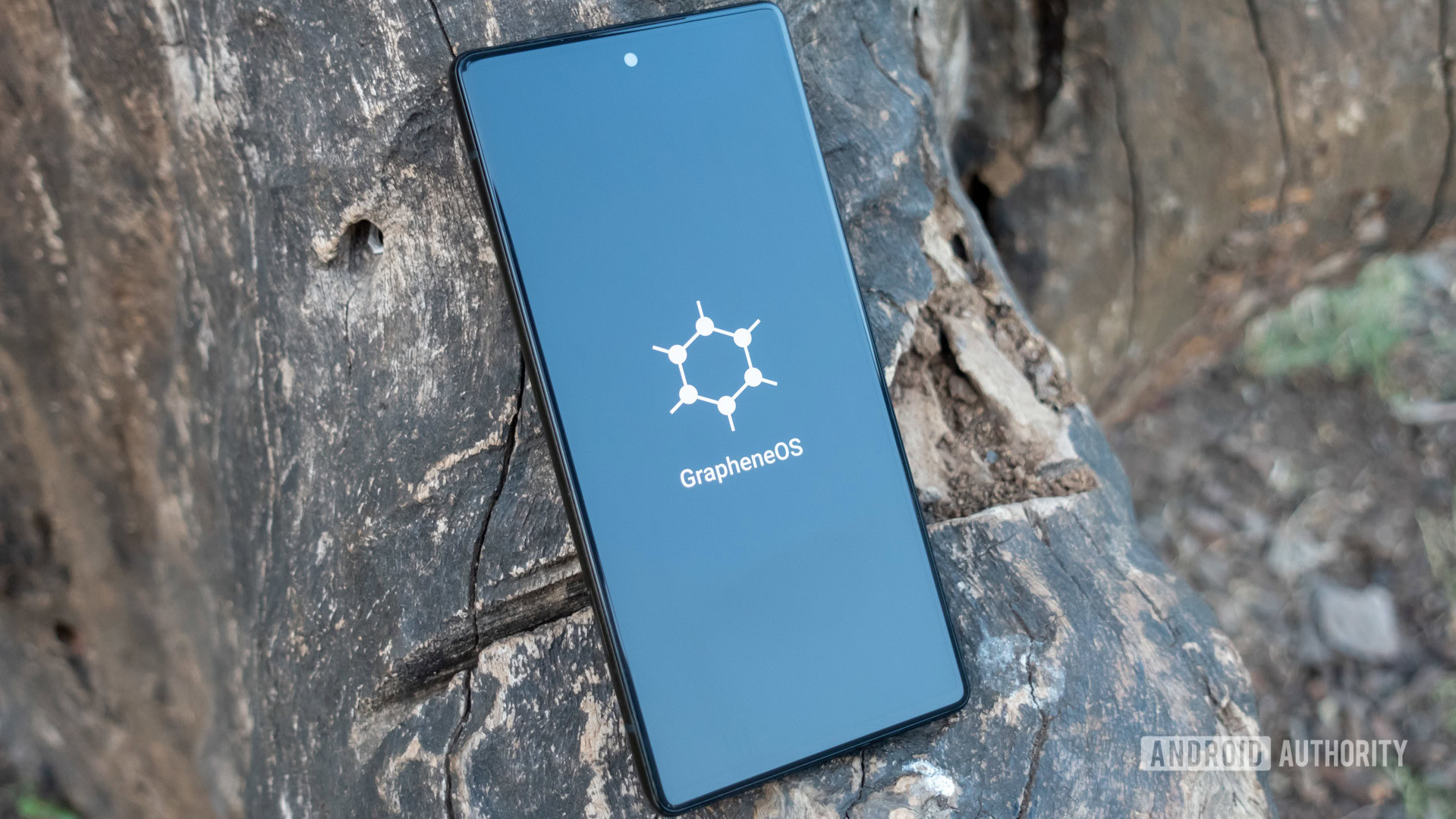
In an increasingly interconnected digital world, the battle for control over our devices and data is escalating. At the heart of a burgeoning controversy lies a stark accusation from GrapheneOS, a privacy-focused Android operating system, against tech behemoth Google. GrapheneOS alleges that Google, much like Apple, is systematically leveraging sophisticated device verification systems, such as the Play Integrity API, not solely for security against fraud, but as a strategic tool to lock users into their proprietary hardware and software ecosystems. This assertion has ignited a fierce debate about digital freedom, user choice, and the very future of open-source mobile innovation.
The Rise of Device Attestation and Its Implications
Device attestation is a security mechanism designed to verify the integrity of a device and its software environment. In theory, it's a laudable effort to protect users from malware, fraudulent transactions, and compromised systems. Google's Play Integrity API, for instance, checks if a device is running genuine Android software, hasn't been tampered with (e.g., rooted), and meets certain security standards. For developers, it offers a way to ensure their apps run in a trusted environment, which is crucial for sensitive applications like banking or digital rights management (DRM) protected content. However, GrapheneOS argues that the implementation of these systems has far-reaching, unintended – or perhaps intended – consequences.
Historically, the Android ecosystem prided itself on its openness, allowing for a vibrant community of custom ROMs, alternative operating systems, and diverse hardware manufacturers. This openness fostered innovation and provided users with unprecedented choice. Projects like LineageOS, CalyxOS, and GrapheneOS emerged from this ethos, offering enhanced privacy, security, or unique features not found in stock Android. These alternative OS often appeal to users who are deeply concerned about data collection, seeking to minimize their digital footprint, or simply desire more control over their devices. The ability to flash a custom ROM and still access the vast majority of Android applications has been a cornerstone of this flexibility.
The 'Walled Garden' Effect: Google's Tightening Grip
GrapheneOS's central claim is that Google is increasingly using Play Integrity and similar mechanisms to create a 'walled garden,' effectively making it harder for devices running anything other than Google-certified Android to access essential applications and online services. When an app relies heavily on Play Integrity checks, a device running GrapheneOS or another alternative OS might fail the attestation, leading to the app refusing to launch or limiting its functionality. This isn't just about niche applications; it extends to critical services like banking apps, streaming platforms, and even some communication tools. The consequence is a forced choice for users: either compromise on privacy and security by sticking to stock Android, or forego access to essential digital services.
This phenomenon is not entirely new. Apple has long operated a tightly controlled ecosystem, where hardware and software are inextricably linked, and sideloading apps is heavily restricted. While Android has traditionally offered more freedom, the increasing reliance on attestation services suggests a gradual shift towards a similar model. The argument from Google's perspective is often framed around security and user protection. They contend that ensuring device integrity is paramount to combating fraud and maintaining a secure digital environment for billions of users. However, critics argue that this security narrative serves as a convenient justification for consolidating market power and stifling competition.
The Erosion of User Choice and Open-Source Innovation
The implications of this trend are profound. For users, it represents a significant erosion of choice. If alternative operating systems cannot reliably run essential applications, their viability diminishes significantly. This directly impacts individuals who prioritize privacy and security over convenience, forcing them back into ecosystems they actively sought to avoid. For developers of alternative OS, it creates an insurmountable hurdle. Investing resources into building and maintaining a secure, privacy-respecting operating system becomes futile if users cannot access the apps they need.
Furthermore, this practice stifles open-source innovation. The Android Open Source Project (AOSP) was designed to be a collaborative effort, fostering a diverse ecosystem. By making it difficult for AOSP derivatives to function fully, Google risks undermining the very principles that contributed to Android's global dominance. It also raises antitrust concerns, as a dominant player is potentially using its control over critical infrastructure (like app distribution and security APIs) to disadvantage competitors and alternative solutions.
The Path Forward: Balancing Security with Openness
Addressing this challenge requires a delicate balance between legitimate security concerns and the imperative to maintain an open, competitive, and user-centric digital environment. Regulators worldwide are increasingly scrutinizing the power of tech giants, and this issue could become another focal point for antitrust investigations. Calls for interoperability standards and mandates for fair access to critical APIs for alternative platforms are likely to grow louder.
From a technical perspective, solutions could involve more transparent and auditable attestation mechanisms that distinguish between genuine security threats and mere deviations from a proprietary stack. Perhaps a tiered system where essential services can operate with a broader range of 'trusted' environments, while highly sensitive transactions might require stricter verification. The goal should be to protect users without inadvertently creating monopolies or dictating hardware and software choices.
In conclusion, the claims made by GrapheneOS highlight a critical juncture in the evolution of mobile technology. The increasing centralization of control through device attestation systems, while ostensibly for security, poses a significant threat to user freedom, open-source development, and market competition. As we move further into an era where our digital lives are inextricably linked to our mobile devices, ensuring that users retain genuine choice and that innovation is not stifled by corporate gatekeepers will be paramount for a healthy and equitable digital future. The debate is far from over, and its outcome will shape the digital landscape for years to come, determining whether our mobile experiences will be defined by open pastures or increasingly restrictive walled gardens.
Stay Informed
Get the world's most important stories delivered to your inbox.
No spam, unsubscribe anytime.
Comments
No comments yet. Be the first to share your thoughts!