Hantavirus Scare Grips Tenerife: MV Hondius Arrival Ignites Public Outcry and Global Health Debate
The MV Hondius cruise ship's impending arrival in Tenerife has sparked widespread anxiety and anger among island residents, fueled by fears of Hantavirus transmission. Despite assurances from Spanish authorities and the WHO, the incident highlights the complex challenges of managing global health risks in an interconnected world. This article delves into the public reaction, scientific context, and broader implications of the unfolding situation, examining the delicate balance between public health and economic interests.
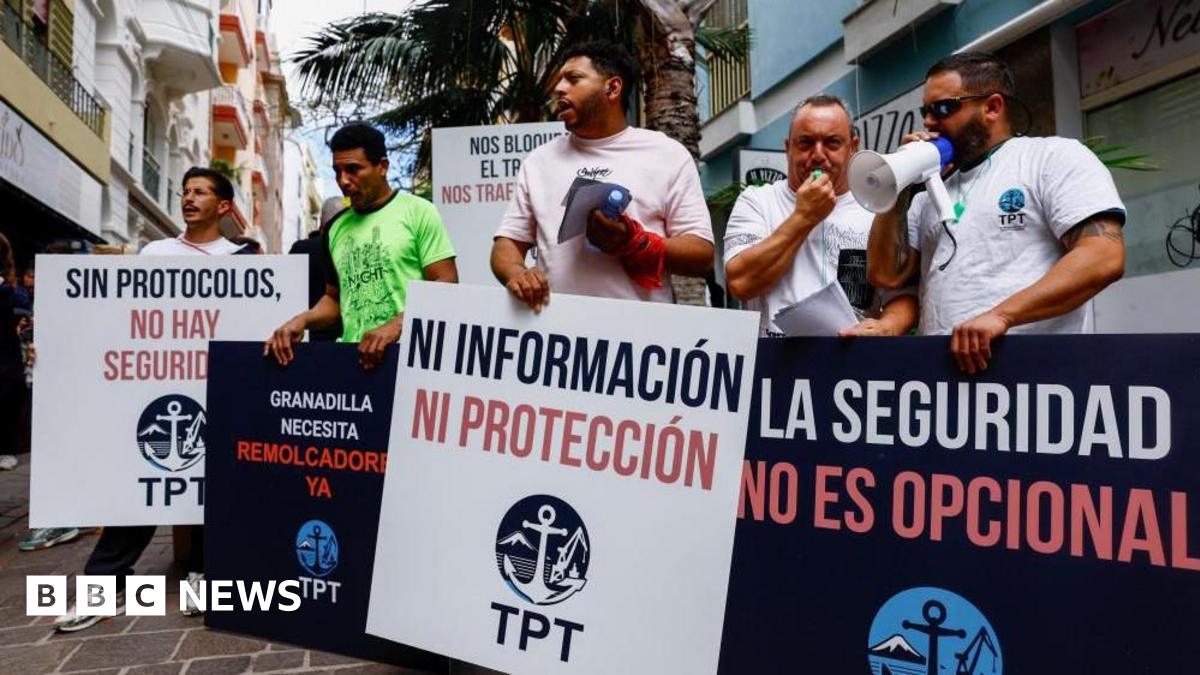
As the MV Hondius cruise ship cuts through the Atlantic, its destination—Tenerife, one of Spain’s sun-drenched Canary Islands—is met not with the usual anticipation of tourism, but with a palpable wave of anxiety and indignation. The vessel, carrying passengers potentially exposed to Hantavirus, has become a focal point of a simmering debate over public health, international protocols, and the rights of local communities. What began as a distant health concern has rapidly escalated into a local crisis, forcing authorities to navigate a treacherous path between global health mandates and the fervent demands of an apprehensive populace.
The specter of Hantavirus, a potentially severe respiratory disease, has cast a long shadow over the island. While Spanish health officials, in coordination with the World Health Organization (WHO), have outlined stringent protocols for the ship's arrival, including comprehensive testing and isolation measures, these assurances have done little to quell the public's fears. The incident underscores a recurring dilemma in our hyper-connected world: how do we manage infectious disease outbreaks on a global scale without compromising the well-being and trust of local populations?
The Anatomy of Fear: Tenerife's Reaction to the MV Hondius
The arrival of the MV Hondius is not just a logistical challenge; it's a social and psychological one. Residents of Tenerife, accustomed to welcoming millions of tourists annually, are now confronted with a vessel perceived by many as a biological threat. Social media channels are abuzz with expressions of anger, frustration, and a sense of betrayal. Petitions demanding the ship be diverted or quarantined far from the island's shores have garnered thousands of signatures, reflecting a deep-seated fear of contagion and a lack of faith in official reassurances.
"We are not a dumping ground for global health problems," stated a local activist during a small, impromptu protest near the Santa Cruz port. "Our hospitals are already stretched. Why should we bear this risk?" This sentiment resonates widely, touching upon the vulnerability of island communities and their limited resources to handle large-scale health emergencies. The memory of past health crises, though perhaps not directly related to Hantavirus, often fuels such reactions, creating a fertile ground for misinformation and panic.
Authorities, on their part, emphasize that the protocols in place are robust. The plan involves rigorous screening of all passengers and crew, immediate isolation of suspected cases, and comprehensive contact tracing. The WHO's involvement lends an air of international legitimacy to these measures, yet for many islanders, the perceived risk outweighs any official guarantees. The economic implications are also a silent undercurrent; Tenerife's economy is heavily reliant on tourism, and any perceived health crisis could have devastating long-term effects, creating a tension between immediate safety concerns and future prosperity.
Hantavirus: Understanding the Threat and Transmission
To understand the public's apprehension, it's crucial to grasp the nature of Hantavirus. Hantaviruses are a group of viruses that can cause severe, sometimes fatal, diseases in humans, primarily Hantavirus Pulmonary Syndrome (HPS) and Hemorrhagic Fever with Renal Syndrome (HFRS). Unlike many other viruses, Hantavirus is typically transmitted to humans through contact with infected rodents' urine, droppings, or saliva, or by inhaling aerosolized particles from these materials. Human-to-human transmission is exceedingly rare, though not entirely impossible in specific, extreme circumstances, which is often a point of public misunderstanding.
The incubation period for HPS can range from one to eight weeks, making early detection challenging. Symptoms often begin with fatigue, fever, and muscle aches, progressing rapidly to severe respiratory distress. The mortality rate for HPS can be as high as 38%, making it a serious public health concern wherever it occurs. The presence of the virus on a cruise ship, a confined environment, raises particular concerns about potential exposure pathways, even if direct human-to-human spread is unlikely.
While the source description mentions passengers potentially exposed, the specific details of how the exposure occurred on the MV Hondius are critical. Was it through contact with rodents on board, or were passengers exposed prior to boarding? Clarity on these points is essential for both public reassurance and effective containment strategies. The lack of detailed public information regarding the initial source of infection often contributes to public anxiety and speculation.
Global Health Protocols vs. Local Realities
The situation in Tenerife serves as a microcosm of the broader challenges in global health governance. The WHO's role is to provide guidance and coordinate international responses to health threats. Their endorsement of the Spanish government's plan signifies an adherence to established international health regulations. However, these regulations, designed for global applicability, sometimes clash with the specific socio-economic and psychological realities of local communities.
Spain, as a member state, is bound by these international agreements. The decision to allow the ship to dock, under controlled conditions, reflects a commitment to humanitarian principles (providing care for those potentially ill) and international cooperation. Yet, the local population feels that their immediate safety and quality of life are being overlooked in favor of these broader considerations. This tension highlights the need for more localized risk communication strategies that address specific community concerns, rather than relying solely on top-down pronouncements.
Furthermore, the incident raises questions about the preparedness of port cities to handle such events. While major ports often have emergency plans, the specifics of managing a Hantavirus scare on a cruise ship, with its unique logistical challenges, test the limits of these protocols. The capacity of local healthcare systems, the availability of specialized isolation units, and the training of frontline personnel all come under scrutiny.
The Road Ahead: Rebuilding Trust and Ensuring Safety
The MV Hondius will eventually dock, its passengers will disembark under strict supervision, and the immediate crisis will likely pass. However, the ripple effects on Tenerife's community and its relationship with global tourism could linger. For the Spanish government and international health bodies, the challenge extends beyond managing the current situation; it involves rebuilding trust and demonstrating a genuine commitment to local well-being.
Moving forward, several lessons emerge. Firstly, transparent and timely communication is paramount. Authorities must proactively address public concerns with clear, accessible information, acknowledging fears rather than dismissing them. Secondly, community engagement in emergency planning is crucial. Involving local leaders and health professionals in the decision-making process can foster a sense of ownership and reduce resistance. Lastly, there's a need for enhanced international cooperation that considers the specific vulnerabilities of host communities, ensuring that the burden of global health crises is equitably distributed and managed.
The Tenerife incident is more than just a health scare; it's a stark reminder of the intricate web connecting global travel, public health, and local resilience. As the world continues to grapple with emerging infectious diseases, the ability to balance international obligations with local sensitivities will define the success of future responses. The MV Hondius, in its silent approach, carries not just passengers, but a heavy cargo of questions about our collective future in a world constantly on edge.
Stay Informed
Get the world's most important stories delivered to your inbox.
No spam, unsubscribe anytime.
Comments
No comments yet. Be the first to share your thoughts!