Hantavirus Scare Grips Tenerife: The MV Hondius Controversy Unpacked
Tenerife residents are grappling with a complex mix of anger and resignation as the MV Hondius cruise ship, carrying potential hantavirus exposure, approaches the Spanish island. This article delves into the public health concerns, the government's controversial decision, and the broader implications for tourism and infectious disease management in a post-pandemic world. We explore the historical context of such outbreaks and the challenges faced by authorities balancing economic interests with public safety.
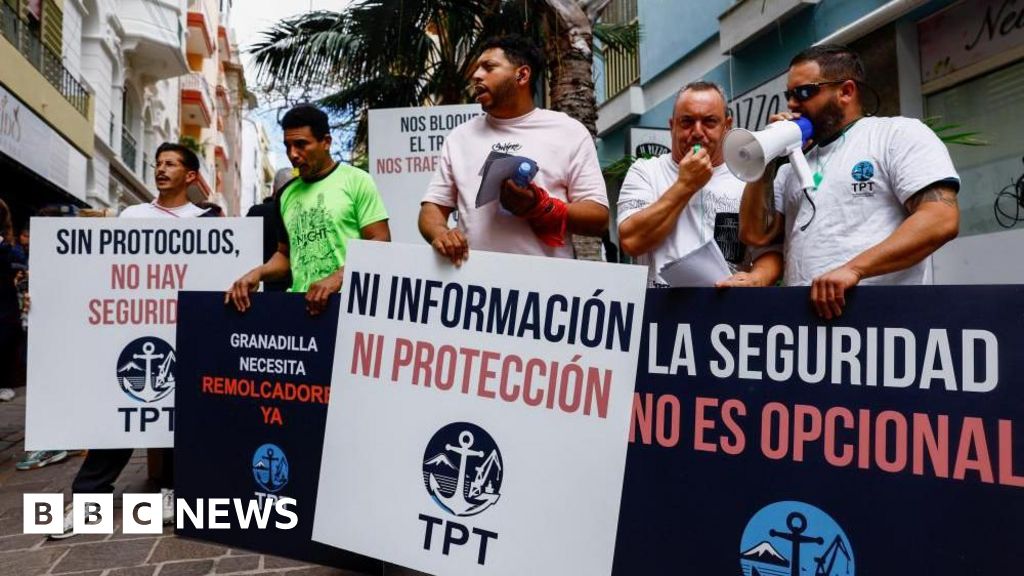
The tranquil shores of Tenerife, a jewel in Spain's Canary Islands, are currently overshadowed by a palpable sense of unease. The source of this disquiet is not a natural phenomenon, but a vessel – the MV Hondius cruise ship – whose imminent arrival has ignited a firestorm of controversy, fear, and frustration among the island's inhabitants. What began as a routine voyage has morphed into a public health dilemma, as reports of potential hantavirus exposure on board have put local authorities and residents on high alert, forcing a difficult national conversation about risk, responsibility, and the delicate balance between public safety and international agreements.
This is not merely a story of a ship and a virus; it's a microcosm of the challenges facing globalized societies in an era of interconnected travel and persistent health threats. The situation in Tenerife underscores the enduring anxieties left in the wake of the COVID-19 pandemic, where the specter of infectious disease looms large, and public trust in official responses can be fragile. As the MV Hondius draws closer, carrying not just passengers but also the weight of public apprehension, the island finds itself at a critical juncture, navigating uncharted waters of health policy and community sentiment.
The Unfolding Crisis: MV Hondius and Hantavirus Concerns
The saga of the MV Hondius began far from the sunny coasts of Tenerife, reportedly encountering a rodent infestation during its journey. This infestation raised the alarm for hantavirus, a severe respiratory disease primarily transmitted to humans through contact with rodent urine, droppings, or saliva. While the virus is not typically spread person-to-person, the presence of infected rodents on a confined vessel like a cruise ship presents a significant public health risk, particularly for crew members and passengers who might have been exposed to contaminated areas. The incubation period for hantavirus can range from a few days to several weeks, making immediate detection and containment crucial, yet challenging.
Reports indicate that the Spanish government, after extensive deliberation, reached an agreement to allow the MV Hondius to dock in Tenerife, a decision that has been met with considerable backlash from local residents and some regional politicians. The specifics of the agreement, including the protocols for passenger disembarkation, health screening, and potential quarantine measures, have been a subject of intense scrutiny. Critics argue that the decision prioritizes international relations or economic considerations over the immediate health security of the island's population, particularly given Tenerife's heavy reliance on tourism, which could be severely impacted by even the perception of a health crisis. The memory of cruise ships becoming viral hotspots during the early days of the COVID-19 pandemic is still fresh, fueling much of the current anxiety.
Historical Precedents and Public Health Challenges
The current situation in Tenerife, while specific to hantavirus, echoes historical episodes where infectious diseases have traveled across borders via maritime routes. From the bubonic plague arriving in European ports centuries ago to more recent outbreaks of norovirus on cruise ships, the challenges of managing disease transmission in a globalized travel network are well-documented. The Spanish Flu pandemic of 1918-1919, for instance, spread globally with unprecedented speed, partly facilitated by troop movements and maritime transport during World War I. More recently, the Diamond Princess cruise ship became an infamous case study in disease containment during the initial phase of the COVID-19 pandemic, highlighting the difficulties of controlling outbreaks in confined, densely populated environments.
Hantavirus itself has a history of causing localized outbreaks, particularly in rural areas where human contact with wild rodents is more common. The Sin Nombre virus outbreak in the Four Corners region of the United States in 1993 brought hantavirus pulmonary syndrome (HPS) into public consciousness, demonstrating its severe and often fatal nature. While less common in Europe, isolated cases and small clusters have been reported, primarily linked to specific rodent species. The rarity of a hantavirus concern on a cruise ship, however, presents a unique challenge, forcing public health officials to adapt established protocols to an unusual context. The lack of readily available rapid diagnostic tests for hantavirus, coupled with its non-specific initial symptoms, further complicates early detection and management.
Economic Implications and Community Response
Tenerife, like the other Canary Islands, thrives on its vibrant tourism industry. Millions of visitors flock to its shores annually, drawn by its stunning landscapes, pleasant climate, and rich culture. The prospect of a health scare, particularly one involving a potentially severe virus, sends shivers down the spines of local businesses and residents dependent on this sector. Hoteliers, restaurateurs, and tour operators fear a significant drop in bookings and visitor numbers, even if the actual risk to the general public is deemed low by health authorities. The economic fallout from perceived threats can often be as damaging as the actual health impact.
The community's response has been a complex tapestry of emotions. Public forums and social media platforms are abuzz with expressions of anger, directed at both the cruise line and the national government for what many perceive as an inadequate or reckless decision. There is a strong sense of resignation among others, who feel powerless in the face of governmental decrees and international agreements. Local health professionals have voiced concerns about the preparedness of the island's medical facilities to handle a potential outbreak, however small, especially if specialized care for HPS is required. Demonstrations and petitions have emerged, reflecting a deep-seated desire for greater transparency and more robust protective measures.
Navigating the Future: Lessons Learned and Forward Steps
The MV Hondius incident serves as a stark reminder that even as the world grapples with the aftermath of one pandemic, other infectious disease threats persist and can emerge in unexpected ways. For Tenerife and other global travel hubs, this situation underscores the critical need for robust public health infrastructure, clear communication strategies, and agile decision-making processes that can balance economic imperatives with public safety. International cooperation between governments, cruise lines, and health organizations is paramount to developing standardized protocols for managing health emergencies on vessels.
Looking ahead, there is an urgent need for greater investment in disease surveillance systems that can detect unusual pathogens quickly, especially in high-traffic areas like ports and airports. Furthermore, public education campaigns are vital to inform citizens about risks without inciting panic, fostering a sense of preparedness rather than fear. For the residents of Tenerife, the immediate future involves closely monitoring the situation with the MV Hondius, hoping that all necessary precautions are rigorously enforced and that the island can swiftly return to its reputation as a safe and welcoming destination. This episode, though challenging, offers invaluable lessons for global health security, emphasizing that vigilance and adaptability remain our strongest defenses against the ever-evolving landscape of infectious diseases. The world watches, hoping for a safe resolution and a clearer path forward for international travel in an age of persistent health concerns.
Stay Informed
Get the world's most important stories delivered to your inbox.
No spam, unsubscribe anytime.
Comments
No comments yet. Be the first to share your thoughts!