Hearthstone's Evolving Meta: Patch 35.2.2 Balances the Scales for Standard and Battlegrounds
Blizzard's latest 35.2.2 patch for Hearthstone and Battlegrounds introduces crucial balance adjustments aimed at refining the current metagame. While developers express satisfaction with the diverse competitive landscape, targeted nerfs and buffs seek to curb overperforming strategies and uplift underutilized archetypes. This update underscores Blizzard's continuous commitment to fostering a dynamic and engaging play experience across both popular game modes.
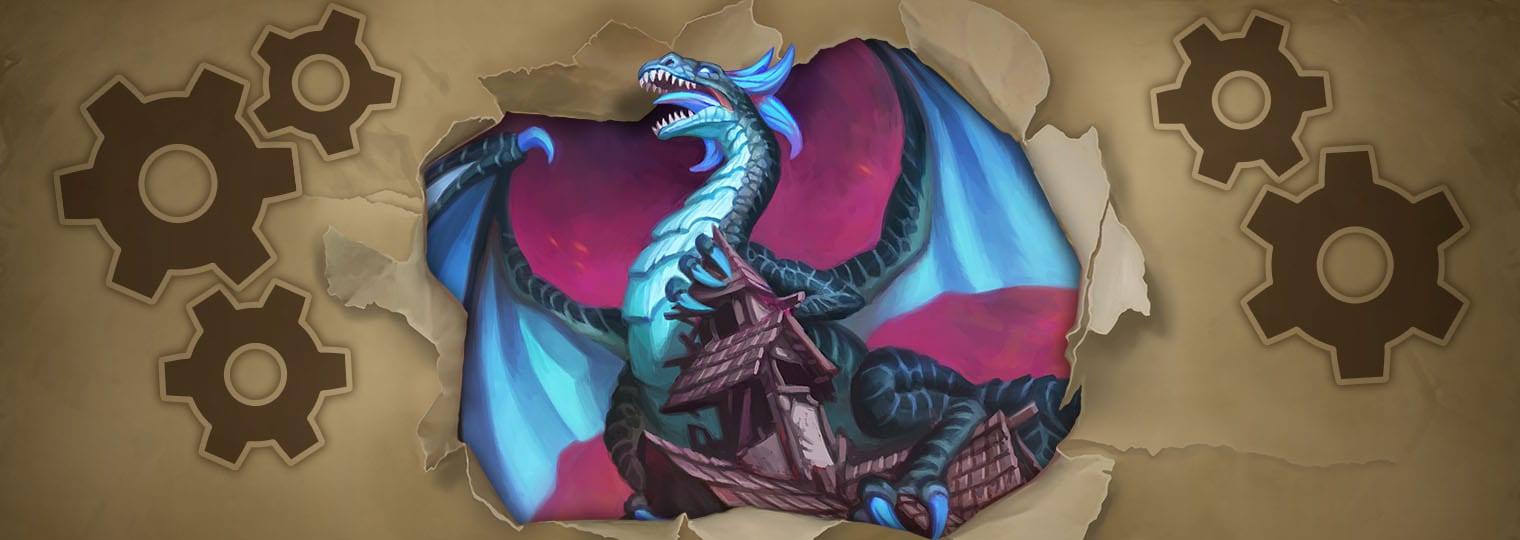
In the ever-shifting sands of digital card games, balance patches are the tides that reshape the competitive landscape, and Blizzard Entertainment's Hearthstone is no stranger to their rhythmic ebb and flow. The recent rollout of Patch 35.2.2, affecting both the traditional Hearthstone Standard format and its wildly popular Battlegrounds mode, marks another significant moment in the game's ongoing evolution. Far from a mere numerical tweak, these updates reflect a delicate dance between developer intent and player experience, aiming to sustain a vibrant, diverse, and most importantly, fun metagame.
The Philosophy Behind the Patch: Sustaining a Healthy Meta
Blizzard's development team has been commendably transparent about their approach to game balance. The patch notes for 35.2.2 begin with a telling "Dev Comment" indicating a general satisfaction with the current state of the metagame in Standard, noting a "wide mix of competitive classes and archetypes seeing play." This statement is crucial, as it sets the stage for understanding the type of adjustments being made. Instead of sweeping overhauls, these are surgical strikes, designed to prune outliers and bolster underperformers, rather than to completely redefine the game's core dynamics. This philosophy is a testament to years of learning from past balance decisions, where overly aggressive changes sometimes led to more instability than equilibrium. The goal is not to dictate a single dominant strategy, but to ensure that multiple viable paths to victory exist, rewarding player skill and creativity over rote memorization of a single optimal deck list.
Historically, Hearthstone has seen periods where one or two archetypes completely dominated the ladder, leading to a stale and frustrating experience for many players. Think back to the notorious reign of Patches the Pirate or the oppressive power of Quest Rogue in its prime. Such eras often necessitated emergency patches and significant card reworks. The current approach, as exemplified by 35.2.2, suggests a more proactive and nuanced strategy: small, frequent adjustments to prevent any single strategy from becoming too entrenched, thus maintaining a dynamic environment where adaptation is key. This iterative balancing act is vital for a game with millions of active players and a thriving esports scene.
Standard Format Adjustments: Fine-Tuning the Ladder Experience
While the full details of the Standard changes are extensive, the general thrust involves targeted nerfs to cards or archetypes that have proven slightly too efficient or consistent, and buffs to those that have fallen by the wayside. For instance, if a particular aggro deck boasts an win rate consistently above 55% across all ranks, it becomes a candidate for adjustment. Conversely, a control archetype struggling to maintain 45% win rate might receive a boost. These changes are often subtle—a single point of attack or health, an increase in mana cost, or a slight alteration to a card's text—but their ripple effects can be profound. A single mana increase on a key minion can delay a powerful turn by just enough to give opponents a chance to stabilize, shifting win probabilities by several percentage points.
The implications for players are immediate. Deckbuilders must revisit their established lists, adapting to the new power levels of affected cards. Professional players and streamers will be at the forefront of this adaptation, showcasing new optimal builds and strategies. The competitive ladder will likely see a temporary shake-up as players experiment, leading to a period of exciting innovation and discovery. For the casual player, it means a refreshed experience, encountering a broader array of opponents and strategies, rather than the same few dominant decks repeatedly. This constant evolution is a core appeal of collectible card games, and Blizzard's commitment to it ensures longevity.
Battlegrounds Balance: A Shifting Tavern Meta
Battlegrounds, Hearthstone's auto-battler mode, presents a unique balancing challenge due to its distinct mechanics involving heroes, minions, and ever-changing tribes. The 35.2.2 patch notes for Battlegrounds are equally critical, addressing specific heroes or minion types that have either overperformed or underperformed. In Battlegrounds, a hero's unique power can dictate an entire game plan, and a minion's stats or ability can single-handedly swing late-game compositions. Therefore, even minor adjustments can have significant consequences.
Consider a scenario where a particular hero's win rate consistently outpaces others by a considerable margin, say, achieving a top-4 finish in over 60% of games, while others languish below 40%. This disparity signals a need for intervention. Nerfs might involve increasing the cost of a hero power, reducing its effectiveness, or altering the stats or tier of key minions associated with that hero's strategy. Conversely, underperforming heroes or tribes might receive buffs, making them more competitive. This continuous rebalancing ensures that the pool of viable heroes and minion compositions remains diverse, preventing the meta from stagnating around a few dominant strategies. The goal is to keep the game fresh, encouraging players to explore different approaches and adapt to the ever-changing tavern offerings.
The Broader Impact: Player Engagement and Game Longevity
Beyond the immediate effects on gameplay, balance patches like 35.2.2 play a crucial role in maintaining player engagement and ensuring the long-term health of Hearthstone. A stagnant meta quickly leads to player fatigue and a decline in interest. By regularly injecting fresh challenges and opportunities for strategic innovation, Blizzard keeps its player base invested. This commitment is particularly important in the highly competitive digital card game market, where players have numerous options. A well-managed balance strategy is not just about numbers; it's about fostering a sense of fairness, encouraging creativity, and providing a consistently rewarding experience.
The development team's stated satisfaction with the current meta, coupled with these targeted adjustments, suggests a mature approach to game design. It indicates that they are listening to community feedback, analyzing vast amounts of game data, and making informed decisions. The ongoing dialogue between developers and players, often facilitated through community managers and social media, is instrumental in this process. As Hearthstone continues its journey, these iterative balance adjustments will remain a cornerstone of its success, ensuring that the game remains a vibrant and competitive arena for years to come. Players can look forward to a dynamic environment where skill, adaptation, and a bit of luck continue to define the path to victory.
Stay Informed
Get the world's most important stories delivered to your inbox.
No spam, unsubscribe anytime.
Comments
No comments yet. Be the first to share your thoughts!