Honor 600 Pro Dominates Polls: A Deep Dive into Value, Performance, and Market Dynamics
Recent weekly poll results reveal a clear preference for the Honor 600 Pro over its vanilla counterpart, the Honor 600. Despite a higher price tag, the Pro's superior specifications, including a faster chipset, dedicated telephoto lens, and wireless charging, have swayed consumer opinion. This article explores the nuanced factors influencing this choice, examining regional pricing strategies and the evolving expectations of smartphone users in a competitive market.
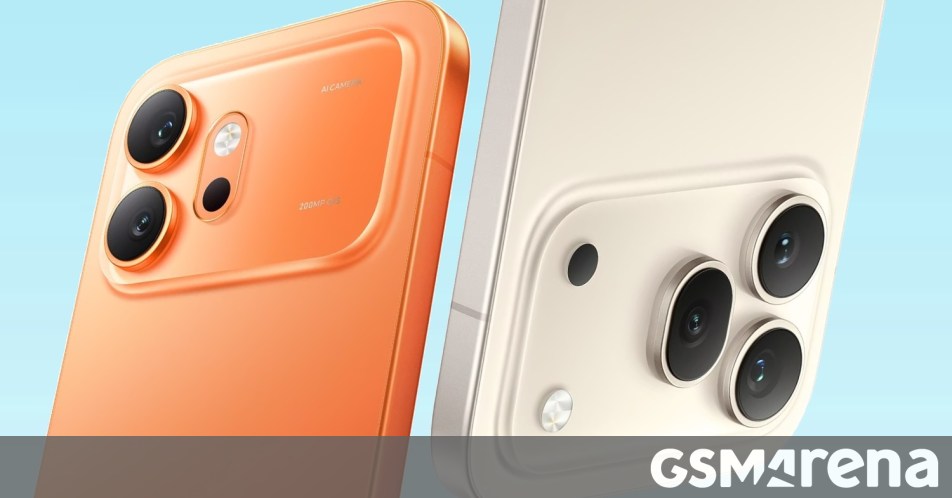
In the ever-accelerating world of consumer electronics, where new devices emerge with dizzying regularity, discerning true value from mere marketing hype can be a formidable challenge. This week's poll results, however, paint a remarkably clear picture: the Honor 600 Pro has decisively eclipsed the standard Honor 600 in consumer preference. This outcome, while perhaps unsurprising to tech enthusiasts, offers a fascinating glimpse into the intricate balance between price, performance, and perceived value that dictates success in today's fiercely competitive smartphone arena.
At the heart of the Pro's victory lies a potent combination of enhanced features. A faster chipset, a dedicated telephoto camera, and the convenience of wireless charging were consistently cited as the tipping points. These aren't just minor upgrades; they represent significant improvements in user experience, particularly for those who demand more from their daily driver. Yet, the narrative isn't solely about raw specifications. The crucial element, as always, is the price-to-performance ratio, which varies dramatically across different geographical markets.
The Price Conundrum: Europe vs. Malaysia
The most striking revelation from the source data pertains to regional pricing strategies. In Europe, the Honor 600 Pro commands a premium of 43% over the vanilla Honor 600. Such a substantial price differential often forces consumers to weigh the benefits of the 'Pro' features against their budget very carefully. For many, a near-half increase in cost for incremental upgrades might be a hard pill to swallow, making the standard model a more pragmatic choice.
However, the landscape shifts dramatically when we look at markets like Malaysia. Here, the upcharge for the Pro model shrinks to a more palatable 27%. This significant reduction in the price gap fundamentally alters the value proposition. A 27% increase for a faster processor, a specialized camera, and wireless charging suddenly appears far more justifiable, transforming the Pro from a luxury upgrade into a compelling, almost indispensable, choice for power users. This regional disparity underscores a critical aspect of global product launches: pricing strategy is not a one-size-fits-all endeavor, and local market conditions can profoundly influence a product's reception and ultimate success.
Beyond the Spec Sheet: Understanding Consumer Psychology
While technical specifications are paramount, the poll results also hint at deeper psychological factors at play. The term "Pro" itself carries a certain weight, implying superior craftsmanship, advanced capabilities, and a premium experience. For many consumers, owning the 'Pro' version of a device isn't just about the hardware; it's about aspiration, status, and the assurance that they possess the best available option. This psychological appeal can often bridge minor price gaps, especially when the perceived value is high.
The faster chipset is more than just a number; it translates directly into snappier app performance, smoother multitasking, and a more fluid gaming experience. In an era where smartphones are central to productivity and entertainment, these performance gains are tangible and highly valued. Similarly, the dedicated telephoto camera addresses a specific need for photography enthusiasts, offering optical zoom capabilities that software-based solutions often struggle to replicate effectively. And while wireless charging might seem like a minor convenience, its inclusion signifies a commitment to modern features and can significantly enhance the daily usability of a device, eliminating the hassle of cables.
The Evolving Smartphone Market: A Call for Differentiation
The Honor 600 series' performance in these polls serves as a microcosm of broader trends within the smartphone industry. As the market matures, manufacturers are finding it increasingly difficult to differentiate their products. The days of revolutionary leaps in technology are largely behind us, replaced by incremental refinements. In this environment, offering a 'Pro' model with genuinely useful, albeit sometimes subtle, enhancements becomes a crucial strategy.
This strategy is particularly effective when the 'Pro' features address specific pain points or desires of a segment of the market. For instance, while a casual user might not notice the difference between chipsets, a mobile gamer or a professional who relies on demanding applications will. The dedicated telephoto lens appeals directly to those who prioritize photographic versatility. Wireless charging, once a niche feature, is now becoming an expected convenience for many mid-to-high-end devices.
Moreover, the poll results implicitly suggest that consumers are becoming more sophisticated in their purchasing decisions. They are not merely looking at the base price but are increasingly capable of evaluating the value proposition of additional features, especially when the price difference is reasonable. This trend pushes manufacturers to justify their higher-end models with concrete, user-centric improvements rather than superficial aesthetic changes.
The Future of Mid-Range and Premium Segments
The Honor 600 series' experience offers valuable lessons for other manufacturers navigating the complex interplay between their standard and 'Pro' or 'Plus' models. It underscores the importance of: * Strategic Pricing: Tailoring pricing to regional market dynamics is paramount. What works in one territory may not in another. * Meaningful Differentiation: 'Pro' models must offer genuinely valuable upgrades that enhance the user experience, rather than just minor tweaks. Clear Communication of Value: Manufacturers need to articulate why* the extra cost for a 'Pro' model is justified, highlighting the tangible benefits to the end-user.
Looking ahead, we can expect this trend to intensify. As smartphone technology continues to mature, the distinction between standard and premium models will likely hinge on these very factors: specific, high-impact features and a carefully calibrated price point. For consumers, this means a more nuanced decision-making process, but also the promise of devices that are increasingly tailored to their diverse needs and budgets. The Honor 600 Pro's success is a testament to this evolving landscape, proving that even in a crowded market, a well-executed 'Pro' strategy can truly tip the scales.
Stay Informed
Get the world's most important stories delivered to your inbox.
No spam, unsubscribe anytime.
Comments
No comments yet. Be the first to share your thoughts!