ICC Upholds Jurisdiction Over Duterte: A Landmark Ruling for International Justice
In a pivotal decision, the International Criminal Court's appeals judges have affirmed their jurisdiction over former Philippine President Rodrigo Duterte, rejecting his bid to dismiss charges related to his deadly 'war on drugs'. This ruling paves the way for a full investigation into allegations of thousands of extrajudicial killings during his tenure. The court's decision marks a significant moment for victims' families and global accountability efforts, setting a precedent for leaders accused of grave human rights violations.
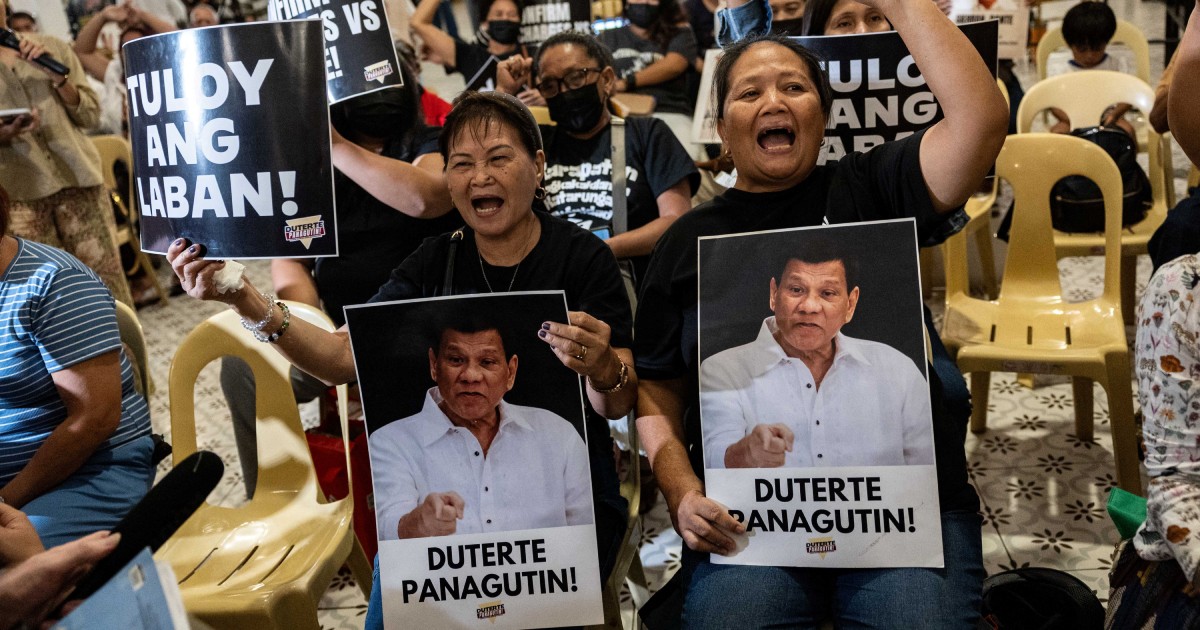
AMSTERDAM — In a landmark ruling that reverberated from the hallowed halls of The Hague to the bustling streets of Manila, the International Criminal Court (ICC) appeals judges on Wednesday (April 22) decisively upheld the court's jurisdiction over former Philippine President Rodrigo Duterte. This monumental decision dismisses Duterte's strenuous efforts to evade trial for his alleged pivotal role in the murder of thousands of people during his brutal 'war on drugs,' opening a new chapter in the pursuit of international justice and accountability.
The news was met with palpable relief and jubilation by families of the victims, who watched the proceedings from the Philippines. For years, these families have been relentless in their quest for justice, navigating a complex web of domestic and international legal hurdles. The ICC's affirmation of jurisdiction offers a beacon of hope, suggesting that even the most powerful leaders may ultimately face scrutiny for alleged atrocities committed under their watch. The ruling underscores the ICC's unwavering commitment to its mandate, particularly in cases where national judicial systems are perceived as unwilling or unable to prosecute such crimes effectively.
The Genesis of the 'War on Drugs' and its Human Cost
Rodrigo Duterte's presidency, which spanned from 2016 to 2022, was largely defined by his aggressive and often violent campaign against illegal drugs. Launched almost immediately after he took office, the 'war on drugs' was characterized by widespread extrajudicial killings, often carried out by police and vigilante groups with apparent impunity. Official figures from the Philippine government reported thousands of deaths in police operations, but human rights organizations and independent observers estimate the true toll to be significantly higher, potentially exceeding 30,000 lives. These victims included suspected drug users, small-time dealers, and even innocent bystanders caught in the crossfire.
Duterte's rhetoric frequently fueled the violence, with the former president openly encouraging law enforcement to kill suspects and promising to protect them from prosecution. He famously declared, "If you know of any addicts, go ahead and kill them yourselves as getting rid of them would be a painful job." This kind of inflammatory language created an environment where due process was often ignored, and human rights were systematically violated. The international community, including the United Nations and various human rights groups, repeatedly condemned the campaign, citing credible reports of widespread abuses, torture, and unlawful killings.
The ICC's Involvement: A Path to Accountability
The ICC's involvement began with a preliminary examination in 2018, followed by a formal investigation authorized in September 2021. This investigation focused on potential crimes against humanity, specifically murder, committed between July 1, 2016, and March 16, 2019, during the 'war on drugs.' The court's jurisdiction is often triggered when a member state is deemed unable or unwilling to genuinely investigate and prosecute such crimes domestically. The Philippines was a state party to the Rome Statute, which established the ICC, until Duterte unilaterally withdrew the country in March 2019, effective a year later. However, the ICC maintains jurisdiction over crimes committed while a state was a member.
Duterte's legal team argued that the ICC had no jurisdiction, citing the Philippines' withdrawal from the Rome Statute and claiming that domestic mechanisms were sufficient to address any alleged abuses. They also questioned the ICC's authority to intervene in what they considered sovereign internal affairs. However, the appeals judges meticulously reviewed these arguments, ultimately concluding that the conditions for the exercise of jurisdiction were met. The court found that the Philippine government had not demonstrated that it was genuinely investigating or prosecuting the alleged crimes, thereby opening the door for the ICC to proceed.
Implications for Global Justice and Future Leaders
This ruling carries profound implications, not just for the Philippines but for the broader landscape of international criminal justice. Firstly, it reinforces the principle that withdrawal from the Rome Statute does not automatically shield former leaders from accountability for crimes committed while their country was a member. This sends a clear message to other states contemplating withdrawal or those who might believe they can evade international scrutiny by such means.
Secondly, the decision empowers victims and human rights advocates worldwide. It demonstrates that perseverance in seeking justice, even against formidable state power, can yield results. The families of the 'war on drugs' victims have shown remarkable courage and resilience, and this ruling validates their long struggle. Their joy, as reported from the Philippines, is a testament to the enduring human need for accountability and recognition of suffering.
Thirdly, the case sets a significant precedent for how the international community addresses alleged state-sponsored violence. It highlights the ICC's role as a court of last resort, stepping in when national systems fail to uphold their responsibilities. This could encourage greater scrutiny of leaders who employ brutal tactics under the guise of maintaining order or fighting crime, reminding them that the long arm of international law may eventually reach them.
The Road Ahead: Challenges and Prospects
While the jurisdiction ruling is a significant victory for proponents of international justice, the path ahead remains challenging. The ICC's investigation will now proceed, likely involving the collection of evidence, witness testimonies, and potentially the issuance of arrest warrants. Duterte has consistently denied any wrongdoing and has vowed not to cooperate with the ICC, calling it a
Stay Informed
Get the world's most important stories delivered to your inbox.
No spam, unsubscribe anytime.
Comments
No comments yet. Be the first to share your thoughts!