iPhone 17 Dominates Q1 2026: How Apple's Base Model Became the World's Best-Seller
In a surprising turn for the smartphone market, the base iPhone 17 emerged as the world's top-selling smartphone in Q1 2026, surpassing not only Android rivals but also its premium Apple siblings. This unprecedented success highlights a strategic shift in consumer preferences and Apple's market approach. We delve into the factors behind this phenomenon, from enhanced features to competitive pricing and evolving market dynamics in key regions like China and the US. This article explores the implications for Apple's future strategy and the broader tech industry.
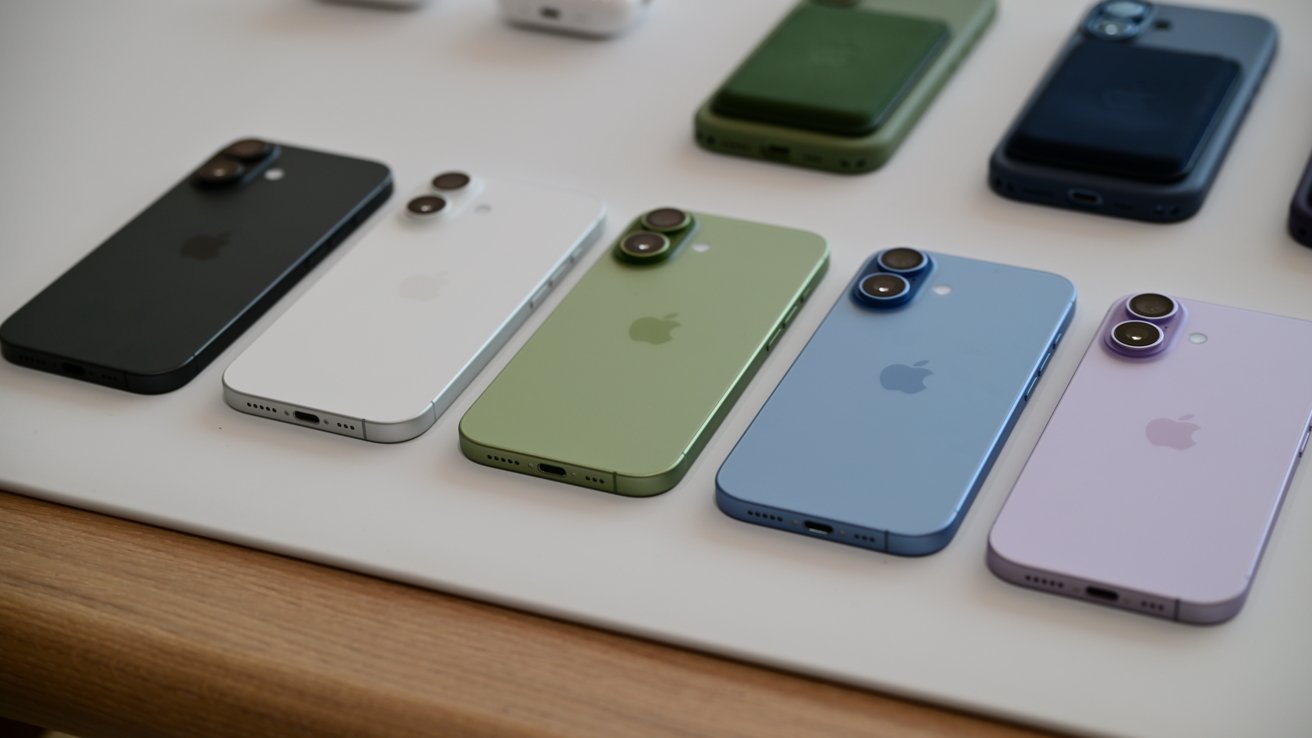
The first quarter of 2026 has delivered a seismic shift in the global smartphone landscape, with Apple once again proving its unparalleled market prowess. However, the true story isn't just Apple's continued dominance, but the unexpected champion within its own ranks: the base iPhone 17. This model, often overshadowed by its 'Pro' and 'Ultra' counterparts, has not only outmaneuvered fierce competition from Android giants but has also eclipsed the sales of its more expensive siblings, becoming the world's best-selling smartphone for the period. This remarkable achievement signals a significant evolution in consumer behavior and Apple's strategic positioning, particularly in crucial markets like China and the United States.
The Unprecedented Rise of the Base Model
For years, the narrative around flagship smartphones has been dominated by the race for premium features, cutting-edge cameras, and increasingly higher price points. Analysts and consumers alike often focused on the 'Pro Max' or 'Ultra' versions as the true indicators of technological advancement and market aspiration. Yet, Q1 2026 tells a different tale. The base iPhone 17, while still a premium device, represents a more accessible entry point into Apple's ecosystem. Its success can be attributed to a confluence of factors, including a compelling balance of features, performance, and price, which resonated deeply with a broad spectrum of consumers worldwide.
Historically, Apple's strategy has often involved a 'trickle-down' effect, where innovations debut on the Pro models and gradually make their way to the base versions. With the iPhone 17 generation, it appears Apple has refined this approach, ensuring the base model offers significant upgrades that feel genuinely new and valuable. Early reports from market intelligence firms indicate that improvements in battery life, a notably enhanced standard camera system (perhaps inheriting features previously exclusive to Pro models), and a more robust, durable design were key drivers. Furthermore, the base iPhone 17 likely benefited from the widespread adoption of Apple's latest chip architecture, offering performance on par with its premium brethren for most everyday tasks, thus diminishing the perceived value gap.
Strategic Pricing and Market Dynamics
One of the most critical elements in the iPhone 17's triumph is undoubtedly its strategic pricing. In an era of economic uncertainties and increasing cost-consciousness among consumers, the base model offered a compelling value proposition. While still a premium device, its price point was significantly more approachable than the Pro or Ultra variants, making it an attractive upgrade for users on older iPhone models or those considering a switch from Android. This pricing strategy appears to have struck a perfect chord, allowing Apple to capture a larger share of the mass market without diluting its premium brand image.
Key markets like China and the United States played a pivotal role in this success. In China, where intense competition from domestic brands like Huawei, Xiaomi, and Oppo is a constant challenge, the iPhone 17's blend of brand prestige, ecosystem stability, and relative affordability proved highly effective. Chinese consumers often prioritize brand recognition and a seamless user experience, areas where Apple consistently excels. In the United States, a mature market with high smartphone penetration, the base iPhone 17 likely appealed to a vast segment of users looking for reliable performance and the latest iOS features without the added expense of professional-grade camera arrays or advanced display technologies they might not fully utilize.
Moreover, global supply chain optimizations and efficient manufacturing processes allowed Apple to meet the surging demand for the base iPhone 17, avoiding the stock shortages that have sometimes plagued new product launches. This logistical prowess ensured that the device was readily available across channels, from online stores to physical retail, further fueling its sales momentum.
Implications for Apple's Future and the Industry
The phenomenal success of the base iPhone 17 carries significant implications for Apple's product strategy moving forward. It suggests a potential re-evaluation of the company's segmentation strategy, possibly leading to a greater focus on delivering substantial value in its entry-level flagship models. This could mean more 'Pro' features migrating downwards sooner, or a more distinct differentiation between the base and premium lines to justify the price disparity. Apple might also double down on its strategy of offering robust trade-in programs and financing options, making the base iPhone even more accessible.
For the broader smartphone industry, this trend is a wake-up call. Competitors, particularly Android manufacturers, will need to closely analyze how Apple achieved this balance of features, performance, and price. The market may be signaling a fatigue with ever-increasing prices for marginal gains in premium models, pushing consumers towards devices that offer a strong core experience without unnecessary extravagance. This could lead to a renewed focus on core user experience, battery life, and camera quality in the mid-to-high range, rather than solely chasing niche, ultra-premium features.
Furthermore, the success of the base model underscores the enduring strength of the Apple ecosystem. For many users, the decision to purchase an iPhone is not just about the device itself, but about seamless integration with other Apple products and services – from AirPods and Apple Watch to iCloud and Apple Music. The base iPhone 17 acts as a powerful gateway to this ecosystem, reinforcing customer loyalty and driving recurring revenue streams for the company.
The Road Ahead: A New Era for Smartphones?
The Q1 2026 sales figures for the iPhone 17 are more than just a quarterly win; they represent a potential paradigm shift. They challenge the long-held assumption that consumers always gravitate towards the most feature-rich, most expensive option. Instead, it seems a significant portion of the market is actively seeking a highly capable, reliable, and aesthetically pleasing device that offers excellent value for money within the premium segment. This doesn't mean the end of ultra-premium smartphones, but rather a rebalancing of market priorities.
As we look ahead, the industry will be watching closely to see if this trend continues. Will Apple lean further into this strategy, making its base models even more competitive? Will Android manufacturers respond with their own 'value-focused' flagships that truly challenge Apple's dominance in this newly defined sweet spot? The success of the iPhone 17 suggests that the future of the smartphone market might be less about pushing the boundaries of niche technology and more about perfecting the core experience for the widest possible audience. This quarter's results have certainly set a new benchmark, and the ripple effects are likely to shape product development and marketing strategies for years to come.
Stay Informed
Get the world's most important stories delivered to your inbox.
No spam, unsubscribe anytime.
Comments
No comments yet. Be the first to share your thoughts!