Iran-US Diplomatic Dance: A High-Stakes Exchange Amidst Deep Distrust
Iran has confirmed receipt of the US response to its latest peace proposal, delivered through Pakistan, marking a critical juncture in their protracted diplomatic standoff. This exchange follows initial skepticism from former President Trump and occurs against a backdrop of escalating regional tensions and historical animosity. Analysts are closely watching for signs of de-escalation or further entrenchment, as the world holds its breath for the next move in this delicate geopolitical chess match.
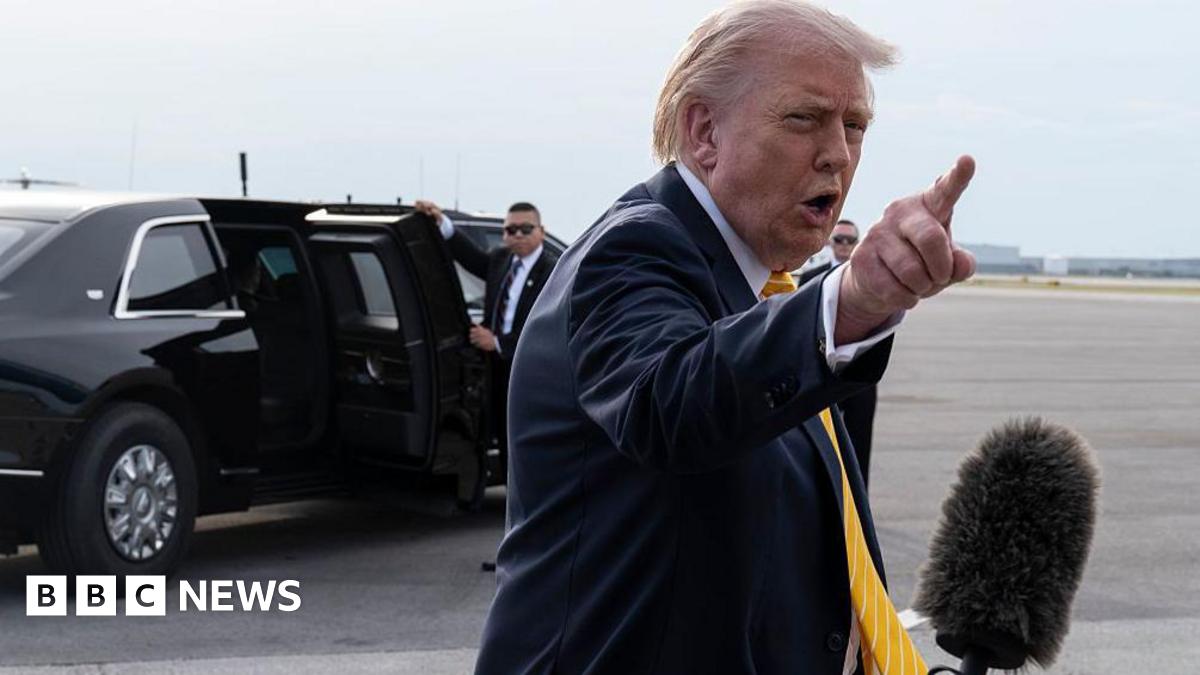
The intricate, often opaque, world of international diplomacy has once again drawn the global spotlight to the perennial tension between Iran and the United States. In a development that could either signal a nascent path toward de-escalation or merely another chapter in a long-standing stalemate, Iran has officially acknowledged receiving the US response to its latest peace proposal. This communication, facilitated by Pakistan, comes at a moment of heightened regional volatility and profound historical mistrust, setting the stage for what many hope could be a breakthrough, yet fear might be another missed opportunity.
For decades, the relationship between Washington and Tehran has been characterized by a complex interplay of sanctions, proxy conflicts, and intermittent, often indirect, diplomatic overtures. The current exchange is particularly noteworthy given the initial public skepticism voiced by then-US President Donald Trump, who, even before reviewing the proposal, stated he could not imagine it "would be acceptable." Such pronouncements underscore the deep-seated animosity and the formidable political hurdles that any genuine peace initiative must overcome. The world now watches as Iranian officials, led by the foreign ministry, meticulously review the American position, their decision poised to reverberate across the Middle East and beyond.
The Diplomatic Channel: Pakistan's Pivotal Role
The choice of Pakistan as the intermediary for this high-stakes communication is significant. Pakistan has historically maintained complex relationships with both Iran and the United States, positioning itself as a potential bridge in times of crisis. This role is not new; Islamabad has previously facilitated back-channel communications between the two adversaries, leveraging its unique geopolitical standing. The delivery of the US response via Pakistan underscores the absence of direct diplomatic ties between Washington and Tehran, a void that necessitates third-party mediation for even the most basic exchanges. This indirect communication method, while ensuring messages are conveyed, also adds layers of interpretation and potential miscommunication, complicating an already delicate process. The reliance on such channels highlights the profound chasm that separates these two nations, making any progress inherently arduous. The very act of engaging through a third party speaks volumes about the depth of their mutual distrust and the reluctance to engage face-to-face, even on matters of paramount importance like peace proposals.
Historical Context: A Legacy of Mistrust
To understand the current diplomatic dance, one must delve into the fraught history that defines US-Iran relations. The 1979 Iranian Revolution, which overthrew the US-backed Shah, marked a dramatic pivot, transforming a strategic alliance into an enduring enmity. The subsequent hostage crisis at the US embassy in Tehran cemented this adversarial relationship, leading to decades of sanctions, covert operations, and proxy conflicts. Key flashpoints include the Iran-Iraq War (1980-1988), where the US initially supported Iraq, and more recently, the withdrawal of the US from the Joint Comprehensive Plan of Action (JCPOA) – the Iran nuclear deal – in 2018 under the Trump administration. This withdrawal, coupled with the re-imposition of stringent sanctions, significantly escalated tensions, pushing the region to the brink of conflict on multiple occasions. Each historical event has contributed to a deep reservoir of mistrust, making any diplomatic breakthrough a monumental challenge. The memory of past grievances, perceived betrayals, and unfulfilled promises looms large over every negotiation, coloring the perspectives of both sides and making genuine rapprochement incredibly difficult.
Iran's Strategic Calculus: Navigating Sanctions and Regional Influence
Iran's decision to submit a peace proposal, despite the prevailing anti-American rhetoric within certain hardline factions, reflects a complex strategic calculus. The country continues to grapple with the crippling effects of international sanctions, which have severely impacted its economy, leading to inflation, unemployment, and social unrest. While the Iranian leadership often projects an image of resilience, the economic pressures are undeniable. Furthermore, Iran seeks to solidify its regional influence, particularly in Iraq, Syria, Lebanon, and Yemen, where it supports various non-state actors. A diplomatic opening with the US, even a limited one, could potentially ease some of the economic burdens and provide Tehran with greater leverage in regional power dynamics. However, any concession from Iran would need to be carefully balanced against domestic political considerations, where hardliners often view engagement with the "Great Satan" as a betrayal of revolutionary principles. The internal political landscape, marked by a struggle between pragmatists and ideologues, adds another layer of complexity to Iran's diplomatic stance. The proposal itself, therefore, might be a test of international resolve as much as a genuine offer for peace, designed to gauge the limits of US flexibility and the potential for a new modus vivendi.
The US Perspective: Balancing Pressure and Diplomacy
From the US perspective, engaging with Iran has always been a delicate balancing act between applying maximum pressure to curb its nuclear ambitions and regional destabilizing activities, and leaving open avenues for diplomacy. The Trump administration's "maximum pressure" campaign, while intended to force Iran to the negotiating table on more favorable terms, also risked pushing the country further into isolation and potentially toward more aggressive actions. The current administration, while signaling a desire for a return to diplomacy, particularly regarding the nuclear deal, faces its own set of challenges. Domestic political divisions, the need to reassure regional allies like Israel and Saudi Arabia, and the imperative to prevent Iran from acquiring nuclear weapons all shape Washington's approach. The US response, now under review by Tehran, likely reflects a careful calibration of these competing interests, aiming to signal a willingness to engage while maintaining a firm stance on core security concerns. The challenge for Washington is to craft a response that is both firm enough to address its security concerns and flexible enough to avoid outright rejection by Tehran, thereby keeping the diplomatic door ajar.
Implications and the Road Ahead
The current exchange carries significant implications for regional stability and global security. A positive outcome, however unlikely it may seem in the short term, could pave the way for renewed negotiations on the nuclear program, regional security, and other contentious issues. This could lead to a de-escalation of tensions in the Persian Gulf, a reduction in proxy conflicts, and potentially, a more stable Middle East. Conversely, a rejection of the US response by Iran, or a perceived lack of sincerity from either side, could further entrench the standoff, leading to renewed escalation. The stakes are incredibly high. The international community, particularly the European Union, which has consistently advocated for diplomatic solutions, will be closely monitoring the developments. The path forward is fraught with challenges, requiring immense political will, flexibility, and a willingness to compromise from both sides. The ultimate success or failure of this diplomatic overture will depend not just on the content of the proposals, but on the underlying intentions and the capacity for genuine trust-building, however incremental. The world awaits Iran's next move, hoping that this latest exchange marks the beginning of a genuine dialogue rather than just another fleeting moment in a long and bitter rivalry.
Stay Informed
Get the world's most important stories delivered to your inbox.
No spam, unsubscribe anytime.
Comments
No comments yet. Be the first to share your thoughts!