Ireland's Dual-Use Dilemma: €20M Exports to IDF Amidst Gaza Conflict Spark Controversy
New revelations show Ireland approved €20 million in dual-use technology exports to the Israeli Defense Forces and Ministry of Defence in 2024, during the intense Gaza conflict. This decision has ignited significant debate, challenging Ireland's long-standing pro-Palestinian stance and raising questions about its foreign policy coherence. The exports, capable of both civilian and military applications, highlight the complex ethical and political tightrope nations walk in times of international crisis.
In a development that has sent ripples through diplomatic circles and ignited fierce debate domestically, Ireland, a nation often seen as a staunch advocate for Palestinian rights, approved €20 million worth of dual-use technology exports to the Israeli Defense Forces (IDF) and Israel’s Ministry of Defence in 2024. This authorization occurred precisely at the height of the devastating conflict in Gaza, a period marked by widespread international condemnation of Israeli military actions and a severe humanitarian crisis. The revelation, emerging from official sources, challenges Ireland’s carefully cultivated image on the global stage and forces a re-evaluation of its foreign policy principles.
The Nature of Dual-Use Technology and Its Implications
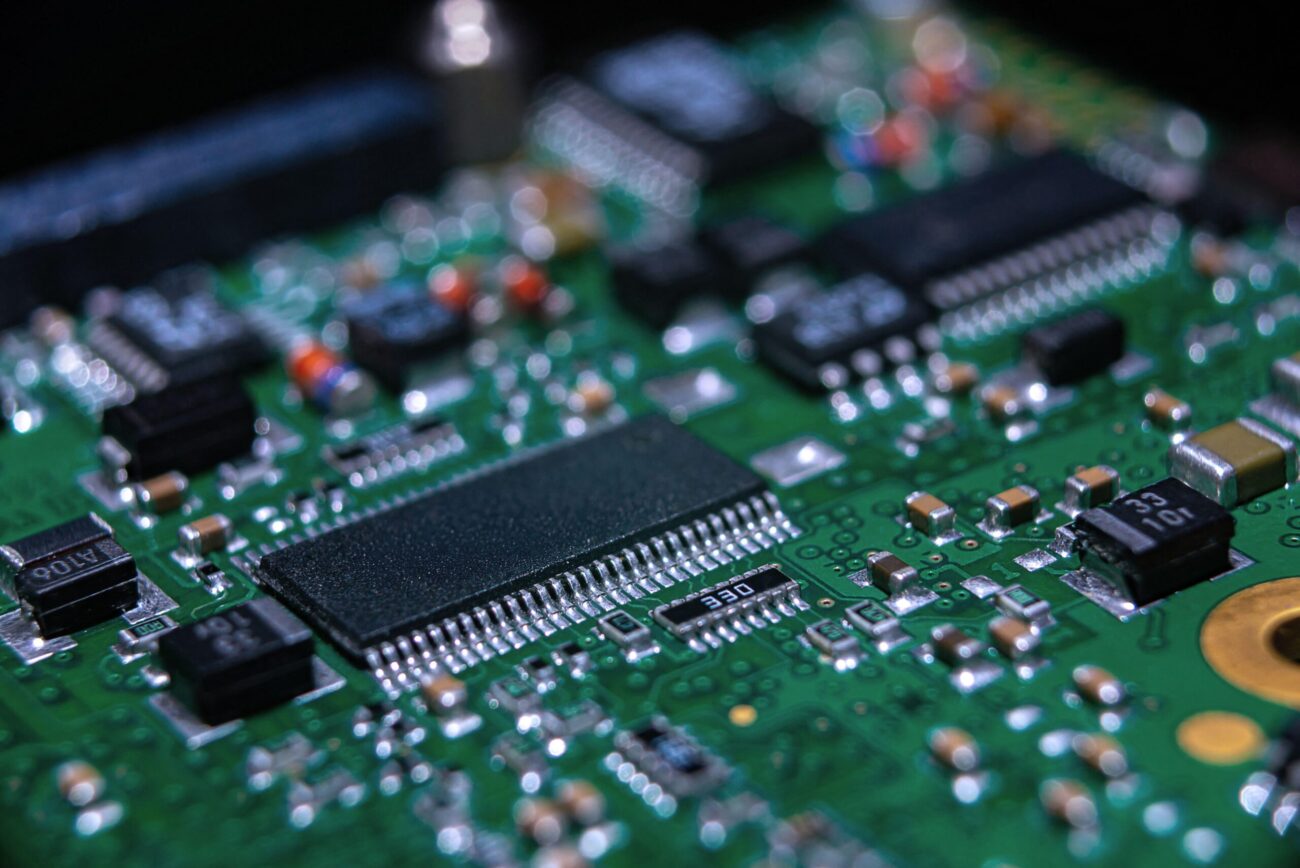
Dual-use technology refers to goods, software, and technology that can be used for both civilian and military applications. Examples range from advanced electronics, communication systems, and software to specialized materials and components. While ostensibly for civilian purposes, their potential for military application makes their export highly sensitive, especially to conflict zones. The €20 million figure represents a significant sum, and the timing of the approval – amidst a conflict that has claimed tens of thousands of lives and displaced millions – raises profound ethical and political questions.
Critics argue that even if these exports are technically compliant with international regulations, their approval sends a contradictory message. Ireland has historically been vocal in its support for a two-state solution and has frequently criticized Israeli policies regarding Palestinian territories. This approval, therefore, appears to undermine that consistent diplomatic stance. The Department of Enterprise, Trade and Employment, responsible for sanctioning these exports, now faces intense scrutiny regarding the criteria and considerations applied during the approval process. Transparency and accountability are paramount, especially when dealing with exports that could potentially contribute to military capabilities in a highly volatile region.
Ireland's Stance and International Context
Ireland has long positioned itself as a neutral, peace-promoting nation, often drawing parallels between its own history of colonial struggle and the Palestinian experience. This narrative has been a cornerstone of its foreign policy, influencing its voting patterns at the United Nations and its diplomatic engagements within the European Union. For instance, Ireland was among the first EU members to recognize the State of Palestine and has consistently advocated for a more robust EU response to Israeli settlements and actions in the occupied territories. This historical context makes the recent export approvals particularly jarring for many observers and activists.
The decision also comes at a time when international pressure on Israel is mounting, with several countries imposing sanctions or reviewing their arms export policies. The International Court of Justice (ICJ) is investigating allegations of genocide, and calls for a ceasefire have intensified globally. Against this backdrop, Ireland's approval of dual-use exports to the IDF stands out, prompting questions about internal policy coherence and the influence of economic considerations on ethical foreign policy decisions. It highlights the complex interplay between national economic interests, international diplomatic posturing, and moral obligations in a globalized world.
Domestic and Geopolitical Ramifications
Domestically, the revelation has sparked outrage among human rights organizations, pro-Palestinian groups, and a segment of the Irish public. Activists are demanding answers from the government, calling for a review of export licensing policies and greater transparency. There are concerns that these exports, regardless of their intended use, could be perceived as tacit support for Israel's military operations, thereby compromising Ireland's moral authority and diplomatic credibility. The government faces the challenge of reconciling its stated foreign policy objectives with its economic and trade decisions.
Geopolitically, this move could complicate Ireland's relationships with other nations, particularly those in the Global South that look to Ireland as a voice for justice and human rights. It also raises questions about the European Union's broader approach to arms and dual-use exports to conflict regions. While individual member states retain significant autonomy in these matters, there is an overarching EU framework that encourages responsible export controls. The Irish decision could inadvertently set a precedent or at least contribute to a perception of inconsistency within the EU's collective foreign policy.
Expert Analysis and Future Outlook
Experts in international law and foreign policy suggest that while the exports might fall within legal parameters, the ethical implications are undeniable. Dr. Aoife O'Donovan, a specialist in international relations, notes, “The legal distinction between civilian and military use often blurs in conflict zones. Any technology, however benign its primary design, can be repurposed or contribute to a military’s operational capacity. The timing of this approval is what makes it so problematic for Ireland’s international standing.” She emphasizes the need for a more robust ethical framework guiding such decisions, especially for countries like Ireland that pride themselves on their humanitarian credentials.
The Irish government will likely face sustained pressure to clarify its position and potentially revise its export guidelines. This incident underscores the intricate challenges faced by nations attempting to balance economic interests with ethical foreign policy commitments, particularly in an increasingly interconnected and conflict-ridden world. The coming months will reveal whether this controversy prompts a significant shift in Ireland's approach to dual-use exports or if it remains an isolated, albeit contentious, decision. The global community, and especially those advocating for peace in the Middle East, will be watching closely to see how Ireland navigates this complex ethical and political tightrope, hoping that its actions ultimately align with its long-held values of justice and human rights.
Ultimately, this episode serves as a powerful reminder that foreign policy is not merely about rhetoric but is profoundly shaped by concrete decisions on trade and exports. Ireland's dual-use dilemma highlights the constant tension between national interests and global responsibilities, a tension that every nation must confront, especially when the stakes are as high as peace and human lives.
Stay Informed
Get the world's most important stories delivered to your inbox.
No spam, unsubscribe anytime.
Comments
No comments yet. Be the first to share your thoughts!