Kash Patel's Political Firestorm: Alcohol Allegations, $250M Lawsuit, and White House Intrigue
Kash Patel, a controversial figure in conservative politics, faces intense scrutiny amidst allegations of harmful alcohol consumption and a looming $250 million defamation lawsuit. These developments, detailed in a report by The Atlantic, have fueled rumors of his potential ouster, casting a shadow over his future just hours before a significant White House event. The unfolding drama highlights the volatile intersection of personal conduct and high-stakes political power.
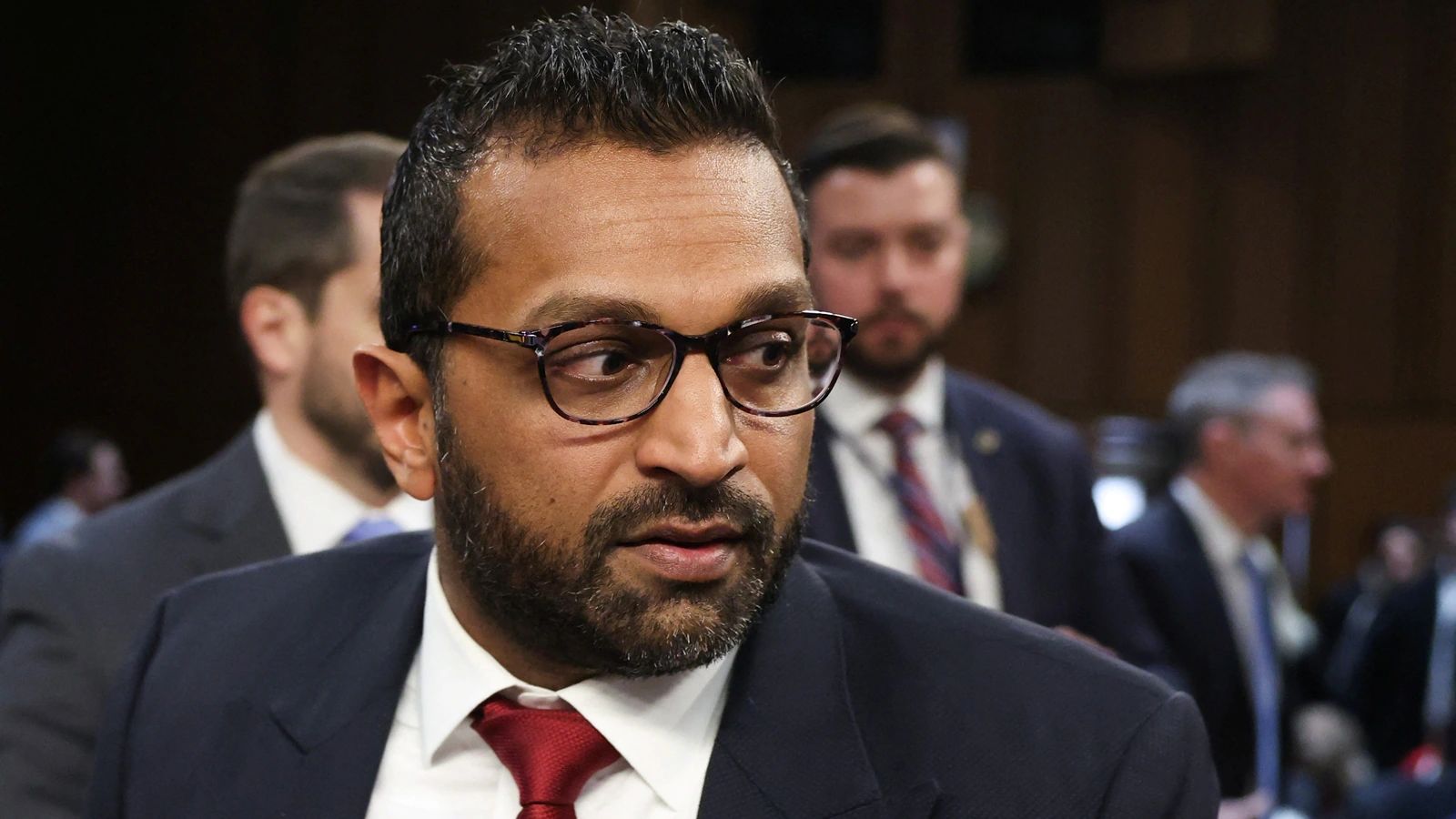
In the tumultuous arena of Washington politics, few figures ignite as much debate and controversy as Kash Patel. A former Trump administration official and staunch conservative, Patel now finds himself at the epicenter of a swirling storm, battling allegations of harmful alcohol consumption and embroiled in a colossal $250 million defamation lawsuit. These revelations, first brought to light by a damning report in The Atlantic, have not only intensified calls for his accountability but have also sparked widespread speculation about his political longevity and potential ouster from influential circles.
The timing of this escalating crisis could not be more dramatic. The report detailing the allegations surfaced mere hours before the annual White House Correspondents’ Dinner, an event traditionally marked by a fragile truce between political adversaries and the press. Instead, the air was thick with whispers of Patel's predicament, underscoring the profound impact these personal and legal battles are having on the broader political landscape. Democrats on the House Judiciary Committee have seized upon the allegations, demanding that Patel undergo a screening test specifically designed to assess “harmful patterns of alcohol consumption,” a move that underscores the gravity with which these claims are being treated within congressional corridors.
The Genesis of the Scandal: Allegations and Legal Battles
The allegations against Kash Patel stem from a detailed investigative piece published by The Atlantic, which reportedly outlined instances of behavior raising concerns about his alcohol use. While the specifics of these allegations remain under wraps in the public domain, their mere existence has been enough to trigger a political firestorm. Patel, for his part, has vehemently denied the claims, asserting his innocence and dismissing the reports as politically motivated attacks aimed at discrediting him. This denial, however, has done little to quell the rising tide of scrutiny.
Adding another layer of complexity to this saga is the formidable $250 million defamation lawsuit Patel has initiated against various media outlets and individuals. This legal offensive is a clear indication of his intent to fight back aggressively against what he perceives as a coordinated campaign to malign his reputation. The lawsuit itself is a high-stakes gamble, potentially setting precedents for how public figures can challenge media narratives. Should Patel succeed, it could send a chilling message to investigative journalists; should he fail, it could further entrench the perception of his alleged misconduct. Legal experts suggest that such a substantial claim indicates not only a strong belief in his case but also a strategic maneuver to deter future reporting.
Political Ramifications and Calls for Accountability
The political fallout from these allegations has been immediate and severe. The demand from House Judiciary Committee Democrats for an alcohol screening test is not merely a procedural request; it is a public challenge to Patel's fitness for public office and his credibility. This move reflects a broader strategy by political opponents to leverage personal conduct issues to undermine a figure who has been a vocal and often controversial proponent of conservative ideologies. The committee's focus on “harmful patterns of alcohol consumption” suggests a concern extending beyond mere occasional use, hinting at potential behavioral impacts on his professional duties or public image.
Patel's career trajectory has been marked by his close association with former President Donald Trump, serving in various capacities within the administration, including as a senior aide to the Director of National Intelligence and as chief of staff to the acting Secretary of Defense. His role in key events, such as the Ukraine impeachment inquiry and the declassification of intelligence documents, has made him a lightning rod for criticism from the left and a hero to many on the right. This history means that any personal scandal is inevitably magnified through a highly partisan lens, making objective assessment challenging. The current situation is a stark reminder that even after leaving formal office, the actions and perceived character of former high-ranking officials remain subject to intense public and political scrutiny.
The Broader Context: Ethics in Public Service
This episode also shines a spotlight on the perennial debate surrounding ethics and personal conduct in public service. For decades, the American political landscape has been punctuated by scandals involving public figures and their private lives, from extramarital affairs to substance abuse. What distinguishes Patel's case is its confluence with ongoing political battles and a significant legal challenge, creating a multifaceted crisis. The public, and indeed the political establishment, often grapples with where to draw the line between a public servant's private life and their professional responsibilities. When allegations suggest behavior that could impair judgment or reflect poorly on the office, the demands for accountability become louder.
Historically, figures like Gary Hart saw their political careers crumble under the weight of personal scandals, while others, like Bill Clinton, navigated similar storms with varying degrees of success. The modern media environment, characterized by rapid information dissemination and intense partisan polarization, amplifies these challenges exponentially. Every detail, every rumor, is dissected and weaponized, making it incredibly difficult for public figures to control their narratives once a scandal breaks. The demand for an alcohol screening, while seemingly medical, is fundamentally a political act designed to force transparency and potentially reveal information that could be politically damaging.
Expert Analysis and Future Implications
Political analysts are closely watching how this situation unfolds. Dr. Evelyn Reed, a political science professor at Georgetown University, notes, “Patel’s aggressive legal strategy is typical of figures who believe they are being unfairly targeted. However, the optics of fighting a defamation suit while simultaneously fending off allegations of personal misconduct can be incredibly challenging to manage. The public often sees smoke and assumes fire, regardless of legal outcomes.” She adds that the involvement of the House Judiciary Committee elevates the issue beyond mere tabloid fodder, transforming it into a matter of congressional oversight and potentially ethical inquiry.
The implications for Patel's career are significant. Even if he successfully defends himself against the defamation suit and resists the demands for a screening, the allegations themselves have already inflicted damage on his public image. In the highly competitive world of conservative media and political commentary, where Patel has carved out a niche, maintaining an unblemished reputation is often paramount. Should he be found to have engaged in harmful patterns of alcohol consumption, it could severely curtail his future political aspirations, including any potential runs for elected office or continued influence within conservative movements. Conversely, if he emerges vindicated, it could bolster his image as a resilient figure unfairly targeted by political adversaries.
Conclusion: A Test of Resilience and Accountability
Kash Patel's current predicament represents a critical juncture not just for him personally, but for the broader discourse on accountability, media scrutiny, and political ethics in America. The intertwining threads of personal allegations, a high-stakes legal battle, and partisan political maneuvering create a complex tapestry of challenges. As the calls for transparency grow louder and the legal proceedings unfold, Patel faces a formidable test of his resilience and his ability to navigate the treacherous waters of Washington politics. The outcome of this saga will undoubtedly offer valuable lessons on the enduring power of reputation, the aggressive tactics of political opposition, and the relentless scrutiny faced by those who dare to stand in the public spotlight. Whether he can emerge from this crucible with his political career intact remains to be seen, but one thing is certain: the eyes of Washington, and indeed the nation, are watching.
Stay Informed
Get the world's most important stories delivered to your inbox.
No spam, unsubscribe anytime.
Comments
No comments yet. Be the first to share your thoughts!