Kenya's Blood Crisis: Why Donations Plummet Amidst Soaring Demand
Kenya faces a critical blood supply shortfall, with collections falling drastically short of the 550,000 units needed annually. This deficit, exacerbated by public apathy, misinformation, and logistical challenges, puts thousands of lives at risk. Experts warn that without urgent, sustained public engagement and systemic reforms, the humanitarian crisis will deepen, impacting everything from emergency care to chronic disease management. The nation grapples with the complex interplay of cultural beliefs, trust issues, and infrastructure gaps hindering a robust donation culture.
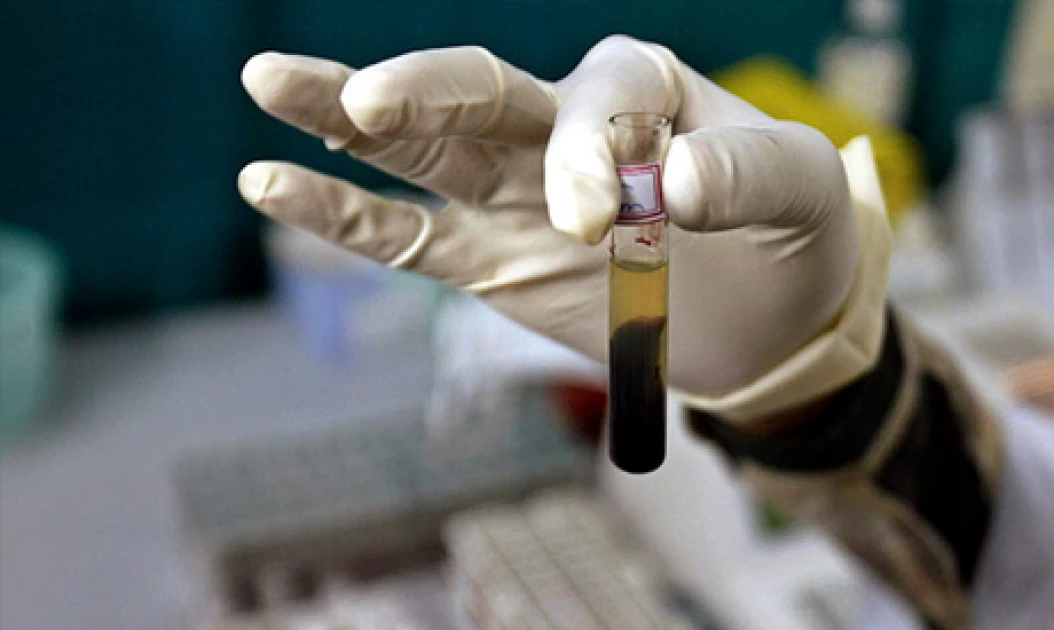
In a nation where a single unit of blood can mean the difference between life and death, Kenya is grappling with a silent, escalating crisis. Every year, an estimated 550,000 units of blood are required to adequately meet the needs of patients across the country, from accident victims and mothers in childbirth to those battling chronic illnesses like cancer and sickle cell anemia. Yet, the stark reality is that collections are falling drastically short. During the 2024/2025 financial year, the shortfall was alarming, a trend that experts warn is not just a statistical anomaly but a deeply entrenched systemic failure with dire humanitarian consequences. This widening gap between supply and demand places thousands of lives at continued risk, painting a grim picture for Kenya's public health future.
The Alarming Deficit: A Closer Look at the Numbers
The figures are sobering. While the national demand hovers around half a million units, actual collections often barely reach a fraction of that. For instance, the Kenya National Blood Transfusion Service (KNBTS), the primary body responsible for blood collection and distribution, has consistently struggled to meet targets. This isn't a new problem; it's a chronic condition exacerbated by various factors. The World Health Organization (WHO) recommends that a country should collect at least 1% of its population's blood to meet basic needs. For Kenya, with a population exceeding 50 million, this translates to over 500,000 units. The consistent failure to achieve this benchmark points to a profound disconnect between public awareness, willingness to donate, and the logistical infrastructure required to facilitate such donations. The consequences are immediate and devastating: delayed surgeries, rationing of blood, and preventable deaths in hospitals across the country. The crisis particularly impacts vulnerable populations, including children, pregnant women, and those in remote areas with limited access to major medical facilities.
Unpacking the Reluctance: Why Kenyans Shy Away
The reasons behind the reluctance to donate blood are multifaceted and deeply rooted in socio-cultural, economic, and historical contexts. One significant factor is misinformation and superstition. Persistent myths about blood donation, such as the belief that it can lead to weakness, illness, or even that donated blood is sold for profit rather than used for patients, deter many potential donors. There's also a pervasive fear of needles and the donation process itself, often compounded by a lack of clear, reassuring information.
Another critical element is trust in public institutions. Past scandals or perceived inefficiencies within the healthcare system can erode public confidence, making individuals hesitant to participate in voluntary programs. The COVID-19 pandemic further complicated matters, not only by disrupting donation drives but also by fostering a general sense of apprehension about visiting medical facilities. Economic pressures also play a role; for many Kenyans, daily survival takes precedence, and the concept of voluntary donation, while noble, might not be a top priority without sustained campaigns and incentives.
Furthermore, the lack of a robust, sustained public awareness campaign contributes significantly. While sporadic drives occur, there isn't a continuous, nationwide effort to educate the public about the critical need for blood, dispel myths, and highlight the ease and safety of the donation process. The focus often remains on emergency appeals rather than fostering a culture of regular, voluntary, non-remunerated blood donation, which is the gold standard for a safe and sustainable blood supply.
The Ripple Effect: Lives on the Line
The impact of this blood shortage reverberates through the entire healthcare system. Maternal mortality rates remain a significant concern, with postpartum hemorrhage being a leading cause of death. Without readily available blood, doctors are often helpless to save these mothers. Similarly, children suffering from severe malaria or anemia require transfusions to survive, and delays can be fatal. Accident and emergency departments, often the first point of contact for critically injured patients, frequently face the agonizing decision of rationing blood, leading to suboptimal outcomes.
Beyond immediate emergencies, the shortfall affects patients undergoing major surgeries, those with chronic kidney disease requiring dialysis, and individuals battling various forms of cancer who need transfusions during chemotherapy. The psychological toll on healthcare workers, forced to make impossible choices due to resource scarcity, is also immense. This crisis isn't just about statistics; it's about individual stories of loss, despair, and preventable suffering.
Charting a Path Forward: Strategies for Sustainability
Addressing Kenya's blood donation crisis requires a multi-pronged, sustained approach involving government, civil society, and individual citizens. Key strategies include:
* Intensified Public Awareness Campaigns: Launching continuous, nationwide campaigns using diverse media platforms to educate the public, dispel myths, and emphasize the life-saving impact of donation. These campaigns should be culturally sensitive and address specific community concerns. * Strengthening Infrastructure and Logistics: Investing in modern blood collection centers, improving storage facilities, and streamlining distribution networks to ensure collected blood reaches patients efficiently and safely. This includes mobile blood drives that can reach remote communities. * Building Trust and Transparency: Enhancing accountability within the KNBTS and other relevant bodies, ensuring transparency in blood management, and actively combating any perception of corruption or misuse of donated blood. * Youth Engagement: Targeting schools and universities with educational programs and organizing regular donation drives to cultivate a culture of voluntary donation from a young age. Youth are often enthusiastic donors and can become lifelong advocates. * Community Mobilization: Partnering with religious institutions, community leaders, and local organizations to encourage donation and integrate it into community service initiatives. * Donor Retention Programs: Implementing systems to encourage regular donations from committed donors, recognizing their contributions, and providing convenient donation experiences. * Policy Support: Ensuring that government policies adequately fund and support blood transfusion services, recognizing their critical role in national health security.
The journey towards a self-sufficient and safe blood supply in Kenya is challenging, but not insurmountable. It demands a collective commitment, a shift in public perception, and robust institutional support. Without sustained public participation and a renewed focus on building a resilient blood donation ecosystem, the gap between supply and demand will continue to widen, leaving countless lives hanging in the balance. The time for action is now, for the health and future of Kenya's people depend on it.
Stay Informed
Get the world's most important stories delivered to your inbox.
No spam, unsubscribe anytime.
Comments
No comments yet. Be the first to share your thoughts!