Kindle Rebellion: Users Jailbreak Older Devices as Amazon Ends Support
Amazon's decision to cease software support for older Kindle models has sparked a user rebellion, with many turning to 'jailbreaking' their devices. This move allows them to bypass official restrictions, gain new functionalities, and extend the lifespan of their e-readers, challenging the tech giant's planned obsolescence. The phenomenon highlights a growing consumer demand for device autonomy and control over digital property.
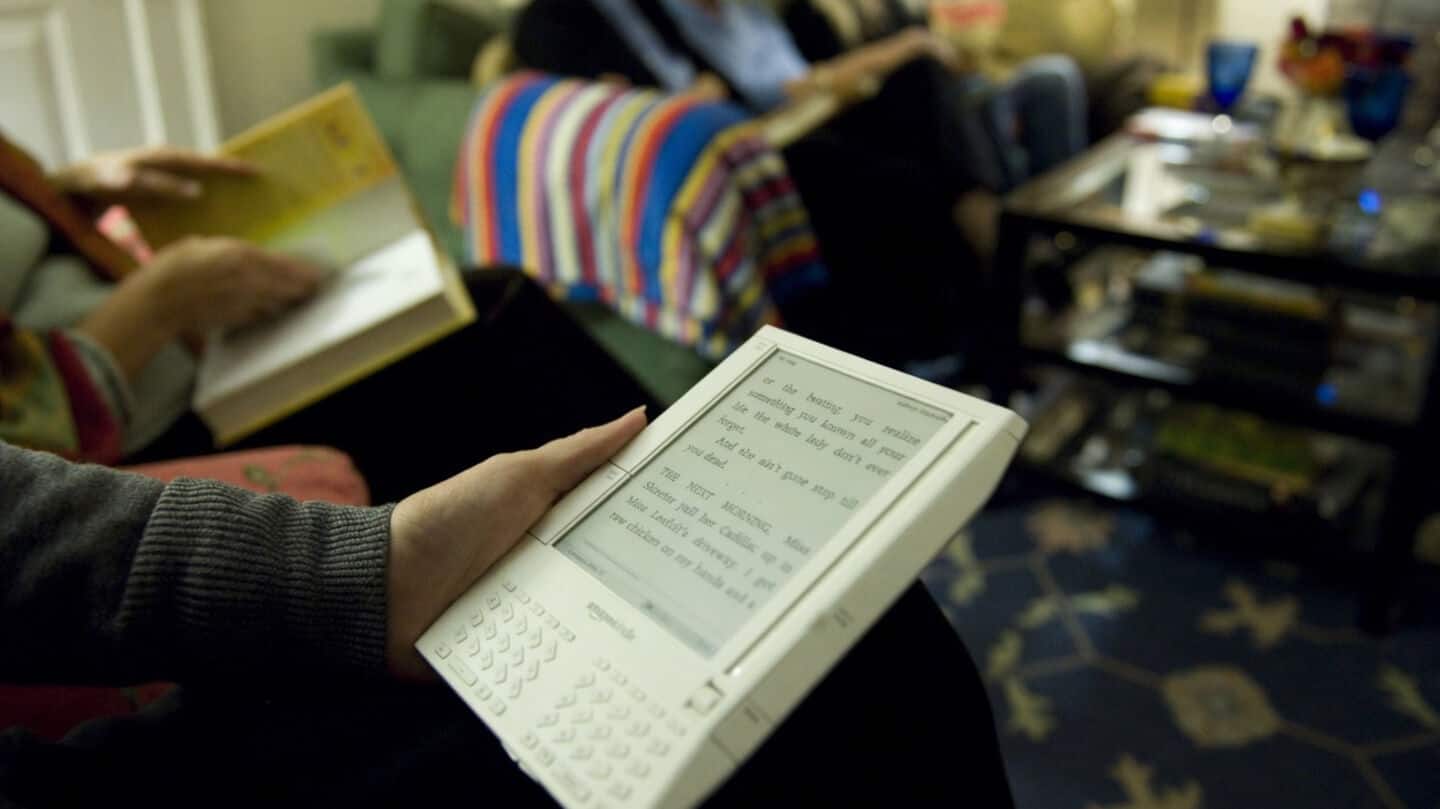
In an era dominated by rapid technological cycles and planned obsolescence, a quiet rebellion is brewing among dedicated e-reader enthusiasts. Amazon’s announcement to end technical support for several older Kindle models on May 20th has not led to a mass migration to newer devices, but rather an unexpected surge in device jailbreaking. This act, once confined to niche tech communities, is now becoming a mainstream response, as users seek to reclaim control over their digital property and extend the life of their beloved e-readers.
For many, a Kindle is more than just a gadget; it's a portal to countless stories, a companion on commutes, and a quiet retreat from the digital noise of smartphones. The idea of these devices becoming obsolete, not due to hardware failure but due to a corporate decision to withdraw software support, has struck a nerve. This isn't merely about reading; it's about the fundamental right to use and modify technology that one owns.
The End of an Era: Amazon's Support Withdrawal
Amazon, the undisputed titan of e-commerce and digital reading, has a long history of innovating in the e-reader space. The original Kindle, launched in 2007, revolutionized how people consumed books. Over the years, numerous models have been released, each promising incremental improvements. However, like all tech companies, Amazon eventually phases out support for older devices, citing reasons such as security vulnerabilities, compatibility issues with newer services, and the cost of maintaining legacy software.
This latest round of support cessation affects a range of older Kindle models, some of which are still perfectly functional. While Amazon encourages upgrading to newer devices, offering trade-in programs and discounts, many users are unwilling or unable to do so. Their reasons vary: some prefer the physical buttons or specific screen types of older models, others are budget-conscious, and a significant portion simply believe their devices shouldn't be rendered less functional by a company's decision.
The withdrawal of support means these devices will no longer receive critical security updates, performance enhancements, or access to new features. While they will likely continue to function for basic reading, the lack of support can lead to a degraded user experience, potential security risks, and incompatibility with future Amazon services. It's this perceived erosion of value that has fueled the jailbreaking movement.
What is Jailbreaking and Why Now?
Jailbreaking refers to the process of removing software restrictions imposed by the manufacturer on a device. In the context of Kindles, this typically involves exploiting vulnerabilities in the device's firmware to gain root access, allowing users to install custom software, modify system settings, and bypass Amazon's ecosystem limitations. This is distinct from unlocking a phone, but the principle of gaining greater control remains the same.
Historically, Kindle jailbreaking has been a niche activity, primarily for power users wanting to install alternative reading apps, custom screensavers, or even rudimentary web browsers. However, the impending end of support has brought it into the mainstream consciousness. The motivation has shifted from merely enhancing functionality to actively preserving it and resisting what many see as planned obsolescence.
For users, jailbreaking offers several compelling advantages:
* Extended Device Lifespan: By allowing custom firmware and applications, users can keep their Kindles functional and relevant long after Amazon ceases official support. * Enhanced Functionality: Access to alternative e-reading software (like KOReader or Plato) that supports more file formats (e.g., EPUB natively), offers advanced customization, or integrates with other services (like Calibre for library management). * Freedom from Restrictions: Bypassing Amazon's walled garden, users can install apps not available in the Kindle Store, customize fonts, screensavers, and even operating system behaviors. * Cost Savings: Avoiding the need to purchase a new device every few years, promoting a more sustainable approach to technology. * Digital Autonomy: A statement against corporate control over personal devices and a push for greater user freedom.
The process itself can be complex, often requiring specific firmware versions, careful execution, and a degree of technical savvy. Online communities, such as those on Reddit and specialized forums, have become invaluable resources, providing detailed guides, troubleshooting tips, and custom software packages.
The Broader Implications: Ownership vs. Licensing
This Kindle phenomenon is a microcosm of a larger debate in the digital age: the distinction between ownership and licensing. When you buy a physical book, you own it outright. You can lend it, sell it, or modify it. When you buy a digital book on Kindle, you often only purchase a license to access it through Amazon's ecosystem. Similarly, when you buy a device, you might assume full ownership, but software restrictions often mean you're operating within the manufacturer's terms.
This tension is evident across various industries, from agricultural equipment (the 'right to repair' movement) to video game consoles. Consumers are increasingly pushing back against limitations imposed by manufacturers, arguing for the right to repair, modify, and fully control the products they purchase. The Kindle jailbreak movement is a powerful expression of this sentiment.
Key statistics and trends highlight this shift:
* A recent survey by Consumer Reports found that 72% of Americans believe they should have the right to repair products they own. * Online forums dedicated to Kindle jailbreaking have seen a significant increase in activity, with some reporting a 50-70% surge in new members and posts since Amazon's announcement. * The average lifespan of an e-reader is often cited as 3-5 years, but many older Kindles are still physically capable of functioning well beyond this, given proper software support.
The Future of Digital Devices and User Control
The Kindle jailbreaking trend serves as a potent reminder to tech companies that consumers are not passive recipients of their products. As devices become more integrated into our lives, the demand for control, longevity, and open ecosystems will only grow. Companies like Amazon face a delicate balancing act: maintaining security and service quality while respecting user autonomy and environmental concerns related to e-waste.
Will this movement force Amazon to reconsider its policies, or will it lead to stricter anti-jailbreaking measures? Only time will tell. However, one thing is clear: the spirit of innovation and independence that once defined the tech world is now being championed by its users. The Kindle, once a symbol of Amazon's dominance, is now becoming a symbol of user empowerment, proving that even in a world of planned obsolescence, the desire for digital freedom burns bright. As users continue to explore the boundaries of their devices, the narrative shifts from simply consuming technology to actively shaping its future.
Stay Informed
Get the world's most important stories delivered to your inbox.
No spam, unsubscribe anytime.
Comments
No comments yet. Be the first to share your thoughts!