LBIC Fortifies Capital Base to Tackle Nigeria's Critical Housing Deficit
Nigeria faces a severe housing crisis, with millions lacking adequate shelter. The Lagos Building Investment Company (LBIC) is strategically bolstering its capital base to enhance access to affordable housing finance. This move aims to expand mortgage offerings, attract new investors, and significantly contribute to reducing the nation's substantial housing deficit, particularly in the bustling Lagos metropolis.
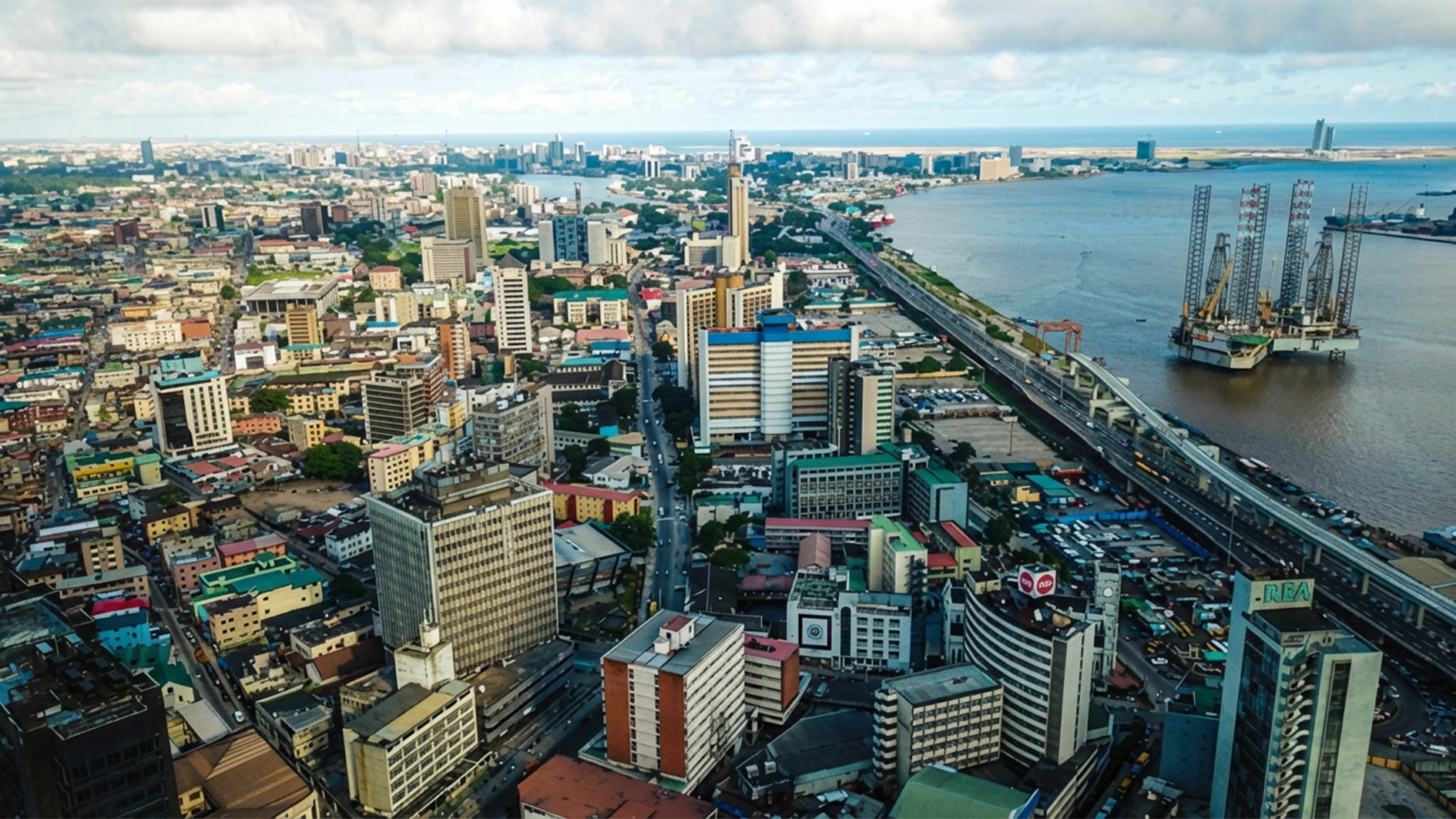
Nigeria, Africa's most populous nation, is grappling with a monumental housing deficit estimated at over 20 million units. This pervasive challenge affects millions of citizens, denying them access to decent, affordable shelter and impeding socio-economic development. Against this daunting backdrop, the Lagos Building Investment Company (LBIC), a key player in the nation's housing finance sector, has announced an ambitious strategy to significantly strengthen its financial position. Managing Director and Chief Executive Officer of LBIC, Olusola Faleye, underscored the critical importance of this move, stating that a robust capital base is indispensable for expanding mortgage financing and attracting the necessary investment to bridge this gaping housing chasm.
The initiative by LBIC is not merely a corporate restructuring; it represents a strategic pivot designed to unlock greater capacity for housing development and homeownership. By fortifying its capital, LBIC aims to increase its lending power, thereby making mortgages more accessible to a broader segment of the population, including those in the informal sector who often face significant hurdles in securing traditional financing. This proactive approach is a testament to the urgency of the situation and the recognition that innovative financial solutions are paramount to addressing one of Nigeria's most pressing socio-economic issues.
The Scale of Nigeria's Housing Crisis
The housing deficit in Nigeria is a multi-faceted problem rooted in rapid urbanization, insufficient infrastructure, high construction costs, and limited access to affordable financing. Lagos, as the commercial nerve center and a megacity with an estimated population of over 20 million, bears a disproportionate share of this burden. Millions of residents live in substandard conditions, often in overcrowded informal settlements, highlighting the dire need for sustainable housing solutions. The existing mortgage market is nascent and largely inaccessible to the average Nigerian, with high-interest rates and stringent collateral requirements serving as significant deterrents. Government efforts, while present, have often been insufficient to keep pace with the exponential demand.
Historically, housing development in Nigeria has been hampered by a lack of long-term funding. Commercial banks typically offer short-term loans, which are ill-suited for the capital-intensive and long-gestation period nature of real estate projects. Mortgage banks, though specialized, often struggle with liquidity and capital adequacy, limiting their ability to provide widespread and affordable financing. This systemic issue has created a vicious cycle where demand far outstrips supply, driving up rental costs and making homeownership an elusive dream for many.
LBIC's Strategic Capital Strengthening
Olusola Faleye's vision for LBIC involves a multi-pronged approach to capital enhancement. The primary objective is to boost the company’s capital base to a level that allows for a substantial increase in mortgage origination and project financing. This could involve several mechanisms, including:
* Equity Injection: Attracting new investors, both local and international, to inject fresh capital into the company. This might involve private placements, rights issues, or strategic partnerships. * Retained Earnings: Reinvesting a larger portion of the company's profits back into its operations to build reserves. * Debt Instruments: Issuing bonds or other debt instruments to raise capital from the financial markets. * Partnerships: Collaborating with other financial institutions, development banks, or international organizations to co-finance housing projects and leverage their capital.
The ultimate goal is to create a more resilient and liquid financial institution capable of underwriting a significantly larger volume of mortgages. This enhanced capacity would enable LBIC to offer more flexible terms, potentially lower interest rates, and extend its reach to underserved segments of the population, including those employed in the informal sector who represent a substantial portion of Nigeria's workforce.
Implications for Housing Development and Homeownership
The strengthening of LBIC's capital base holds profound implications for Nigeria's housing sector. Firstly, it will directly translate into increased availability of mortgage loans, making homeownership a more tangible reality for aspiring homeowners. This is crucial for middle-income earners and young professionals who are often priced out of the current market.
Secondly, a financially robust LBIC can play a more significant role in financing large-scale housing projects. By providing developers with access to patient capital, it can stimulate the construction of new housing units, thereby increasing supply and potentially stabilizing housing prices. This is particularly vital in Lagos, where land is scarce and development costs are high.
Thirdly, LBIC's initiative could serve as a catalyst for broader financial sector reform in housing finance. Its success might encourage other mortgage institutions to follow suit, leading to a more competitive and efficient mortgage market. Furthermore, it could attract greater foreign direct investment into Nigeria's real estate sector, viewing it as a more viable and less risky investment opportunity.
Finally, addressing the housing deficit has significant socio-economic benefits. Improved housing conditions lead to better health outcomes, enhanced educational opportunities for children, and increased productivity among adults. It also creates jobs in the construction sector and related industries, contributing to economic growth and poverty reduction.
Challenges and Forward-Looking Perspective
While LBIC's strategy is commendable, it is not without its challenges. The Nigerian economic environment, characterized by inflation, currency fluctuations, and varying interest rates, can pose significant risks to long-term financial planning. Regulatory hurdles, land tenure issues, and the high cost of building materials also remain formidable obstacles. To truly succeed, LBIC will need to navigate these complexities adeptly, potentially advocating for policy reforms that support affordable housing development.
Looking ahead, LBIC's efforts must be complemented by broader government policies that address land titling, infrastructure development, and the creation of a more favorable investment climate. The integration of technology, such as digital platforms for mortgage applications and property management, could also enhance efficiency and transparency. The goal is not just to build houses, but to create sustainable communities where citizens can thrive.
In conclusion, LBIC's strategic move to bolster its capital base represents a critical step towards alleviating Nigeria's chronic housing deficit. By enhancing its financial muscle, LBIC is positioning itself to be a pivotal force in expanding access to affordable housing, stimulating economic growth, and ultimately improving the quality of life for millions of Nigerians. The path ahead is challenging, but with concerted effort and strategic foresight, the dream of homeownership can become a reality for many more citizens.
Stay Informed
Get the world's most important stories delivered to your inbox.
No spam, unsubscribe anytime.
Comments
No comments yet. Be the first to share your thoughts!