Lithuania's Defense Under Threat: The Rising Tide of Pro-Russian Sentiment
A significant portion of Lithuania's active voters harbor pro-Russian sentiments, posing a serious challenge to the nation's defense and democratic stability. Analysts warn that this 'vatnik' phenomenon is not merely passive opinion but an active political force influencing elections and potentially undermining national security. This report delves into the roots of this growing influence, its implications for NATO's eastern flank, and how Lithuania is grappling with an internal threat while facing external pressures.
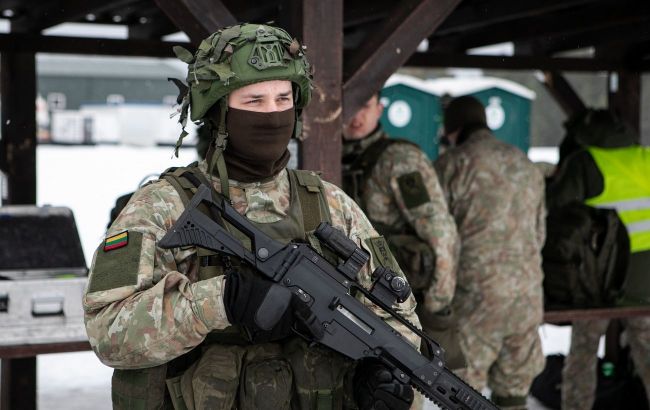
In the shadow of escalating geopolitical tensions, a quiet but potent threat is brewing within Lithuania, a nation historically wary of its colossal eastern neighbor. While the world's attention often fixates on external aggression, a recent analysis reveals a disconcerting internal vulnerability: up to a third of Lithuania's active voters reportedly harbor 'vatnik' (pro-Russian) sentiments. This isn't merely a matter of differing political views; it represents a significant, organized, and politically active bloc capable of influencing elections and, critically, undermining the very foundations of Lithuania's defense capabilities and its pro-Western trajectory. This phenomenon presents a complex challenge, forcing Vilnius to confront not just external Russian pressure, but an insidious internal erosion of national unity and resolve.
The 'Vatnik' Phenomenon: More Than Just an Opinion
The term 'vatnik,' originally a pejorative referring to unthinking, jingoistic Russian patriots, has been adopted to describe individuals in post-Soviet states who exhibit strong pro-Russian leanings, often characterized by nostalgia for the Soviet era, skepticism towards Western institutions, and a belief in Russian narratives. What makes the Lithuanian situation particularly alarming, according to analysts, is that this sentiment is not confined to passive observers. These are individuals who actively participate in the democratic process, casting votes for parties and politicians aligned with their pro-Russian views. This active engagement transforms a mere demographic statistic into a potent political force, capable of shaping policy and influencing national discourse. Their motivations are multifaceted, ranging from economic grievances and perceived marginalization to historical revisionism and susceptibility to Russian disinformation campaigns. The digital age, with its echo chambers and targeted propaganda, has only amplified the reach and persuasiveness of these narratives, making it harder for mainstream pro-Western voices to counter the spread of pro-Russian ideology.
Historical Echoes and Contemporary Vulnerabilities
Lithuania's history is inextricably linked with its struggle for independence from Russian and Soviet domination. Decades of occupation, deportations, and cultural suppression have ingrained a deep-seated distrust of Moscow in the national psyche. However, this historical trauma has not inoculated the entire population. Pockets of society, particularly among older generations who experienced the Soviet era, and certain ethnic minorities, remain susceptible to narratives that romanticize the past or demonize the West. Economic disparities, social inequalities, and a sense of disillusionment with post-independence reforms can also create fertile ground for pro-Russian narratives that promise stability or a return to perceived former glories. Russia, for its part, has masterfully exploited these vulnerabilities through a sophisticated blend of propaganda, disinformation, and hybrid warfare tactics. State-sponsored media outlets, social media campaigns, and cultural initiatives are all deployed to sow discord, amplify grievances, and foster a sense of alienation from the country's pro-Western path.
Implications for National Security and NATO's Eastern Flank
The presence of a significant pro-Russian voting bloc carries profound implications for Lithuania's national security, especially given its strategic position as a frontline state on NATO's eastern flank. A populace divided on fundamental geopolitical alignment can weaken national cohesion and resilience in the face of external threats. Key concerns include:
* Undermining Defense Spending and Policy: Pro-Russian politicians or parties, if they gain sufficient power, could advocate for reduced defense spending, question Lithuania's commitment to NATO, or push for policies that weaken military cooperation with Western allies. This would directly compromise Lithuania's ability to deter aggression. * Internal Sabotage and Espionage: A sympathetic internal population could, intentionally or unintentionally, facilitate espionage or sabotage efforts by hostile foreign powers. This could range from providing intelligence to spreading demoralizing narratives within the military or critical infrastructure. * Erosion of Democratic Institutions: The rise of populist, pro-Russian parties could challenge democratic norms, weaken independent media, and foster political instability, thereby making the country more vulnerable to external manipulation. * NATO Cohesion: A perceived lack of internal unity or commitment to NATO within a member state could raise questions among allies about the alliance's overall strength and resolve, particularly in a region as sensitive as the Baltic states.
The Suwałki Gap, a critical land corridor bordering Kaliningrad and Belarus, is already considered one of NATO's most vulnerable points. Any internal weakening of Lithuania's resolve or capabilities directly impacts the alliance's ability to defend this crucial strategic choke point.
Countering the Narrative: Strategies for Resilience
Addressing this complex internal challenge requires a multi-pronged approach that goes beyond mere security measures. Lithuania must focus on building societal resilience and strengthening democratic institutions. Key strategies include:
* Strengthening Media Literacy and Critical Thinking: Investing in educational programs that equip citizens with the tools to critically evaluate information and identify disinformation is paramount. This includes supporting independent journalism and public broadcasting. * Promoting Social Cohesion and Integration: Addressing socio-economic disparities and fostering a greater sense of belonging among all segments of the population can reduce susceptibility to divisive narratives. This involves inclusive policies that ensure all citizens feel represented and valued. * Strategic Communication: Developing robust and proactive communication strategies to counter Russian propaganda, explain the benefits of Euro-Atlantic integration, and reinforce national identity and shared values. * Civic Engagement and Education: Encouraging active participation in democratic processes and educating citizens about the importance of their vote and the implications of political choices. * International Cooperation: Working closely with NATO allies and EU partners to share intelligence, coordinate counter-disinformation efforts, and develop common strategies for hybrid threats.
Lithuania has already made significant strides in bolstering its defense capabilities and integrating into Western structures. However, the rise of pro-Russian sentiment within its own borders presents a more subtle, yet equally dangerous, threat. It underscores the reality that modern warfare is not just fought on battlefields but also in the minds of citizens. For Lithuania, and indeed for all democracies facing similar challenges, the battle for hearts and minds is as crucial as the deployment of tanks and missiles. The nation's future, and potentially the stability of NATO's eastern flank, hinges on its ability to effectively counter this internal erosion and reinforce its democratic resilience against all forms of aggression, both overt and covert.
Stay Informed
Get the world's most important stories delivered to your inbox.
No spam, unsubscribe anytime.
Comments
No comments yet. Be the first to share your thoughts!