MacBook Ultra: Apple's Bold Move to Redefine Pro Performance and Productivity
Apple is reportedly planning a significant overhaul of its professional laptop lineup, potentially replacing the iconic MacBook Pro with a new, even more powerful series dubbed 'MacBook Ultra.' This strategic shift suggests a renewed focus on extreme performance, targeting a niche of high-end users who demand unparalleled computing power. The move could redefine the premium laptop market, signaling Apple's ambition to push boundaries beyond its current 'Pro' offerings.
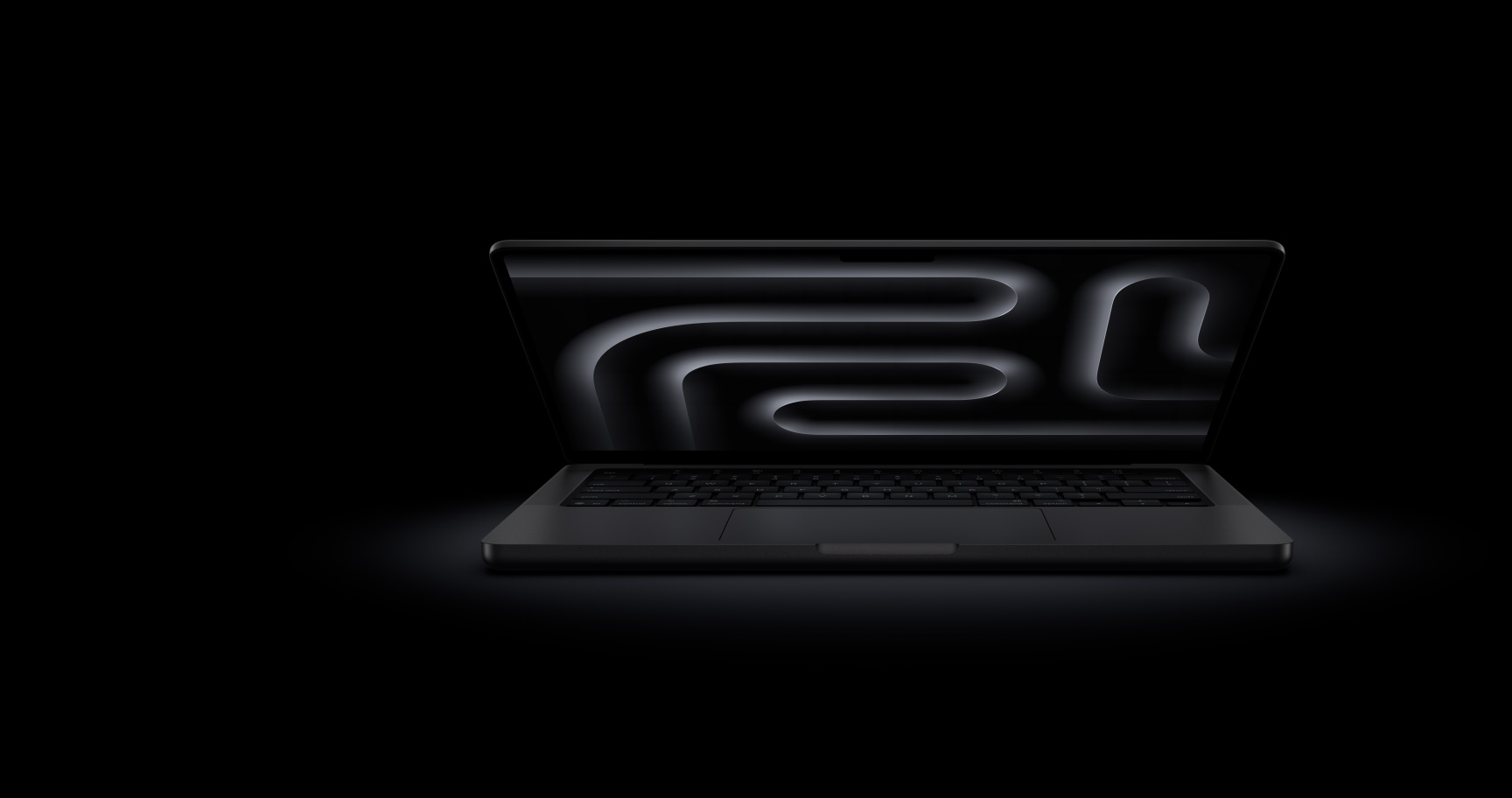
The tech world is abuzz with whispers from Cupertino, suggesting a monumental shift in Apple's professional laptop strategy. For years, the MacBook Pro has been synonymous with high-performance computing for creatives, developers, and power users. Now, reports indicate that Apple is preparing to retire the 'Pro' moniker for its top-tier machines, ushering in an era dominated by the MacBook Ultra. This isn't just a name change; it represents a potential redefinition of what a professional laptop can achieve, pushing the boundaries of performance, design, and user experience to unprecedented levels.
The Dawn of the Ultra Era: What's Behind the Name Change?
Apple's nomenclature has always been deliberate, signaling distinct tiers of capability and target audiences. From the iPhone 'Pro' to the Apple Watch 'Ultra,' each suffix denotes a specific level of performance and feature set. The move from 'Pro' to 'Ultra' for MacBooks suggests a significant leap, positioning these new machines as the absolute pinnacle of Apple's portable computing power. Historically, the 'Pro' line has catered to professionals requiring more horsepower than the standard MacBook Air, offering dedicated graphics, advanced cooling, and more robust processors. The 'Ultra' designation, however, implies a machine designed for the most demanding tasks imaginable – think 8K video editing, complex 3D rendering, scientific simulations, and advanced AI/ML development – tasks that currently push even the most powerful MacBook Pros to their limits.
This strategic rebranding could be a response to the increasing sophistication of professional workflows and the relentless pursuit of performance by competitors in the PC market. While Apple's M-series chips have already set new benchmarks for efficiency and power, the 'Ultra' line could introduce even more specialized silicon, potentially featuring a higher core count, more unified memory bandwidth, and enhanced neural engines. It's a clear signal that Apple is not content to merely iterate but aims to fundamentally reshape the landscape of high-performance portable workstations.
Historical Context: Apple's Evolution of Professional Machines
To understand the significance of the MacBook Ultra, one must look back at Apple's history of professional computing. The PowerBook series, launched in the early 1990s, was Apple's first foray into powerful portable machines for professionals. These devices were revolutionary for their time, combining desktop-class performance with portability. The transition to the Intel-based MacBook Pro in 2006 marked another pivotal moment, bringing industry-standard processors and a sleek aluminum unibody design that became iconic. Each iteration of the MacBook Pro, from the Retina display models to the controversial Touch Bar generation and the triumphant return of ports with the M1 Pro/Max chips, has pushed the envelope in its own way.
However, the 'Pro' line has also faced criticism, particularly during periods where Apple prioritized thinness over functionality, leading to compromises in port selection and keyboard design. The M1 and M2 generation MacBook Pros, with their emphasis on raw silicon power and improved thermal management, largely rectified these concerns. The 'Ultra' branding could be seen as the next logical step in this evolution, building on the success of the M-series chips and addressing the needs of an even more specialized, performance-hungry segment of the market. It's a recognition that the definition of 'professional' computing is constantly expanding, requiring tools that can handle increasingly complex and data-intensive tasks with ease.
Expert Analysis: Implications for Users and the Market
Industry analysts are already weighing in on the potential impact of the MacBook Ultra. "This isn't just about a faster chip; it's about creating a distinct tier of computing that justifies a premium price point and targets a very specific user base," says Dr. Evelyn Reed, a technology market strategist. "Apple has successfully done this with the Apple Watch Ultra, carving out a segment for extreme athletes and adventurers. The MacBook Ultra will likely aim for a similar distinction in the professional computing space, offering features and performance that are simply overkill for the average 'Pro' user but essential for those pushing the absolute limits of their craft."
The implications for users are significant:
* Higher Performance Ceiling: Expect unprecedented processing power, potentially leveraging next-generation M-series chips (e.g., M3 Ultra or M4 Ultra) with significantly more CPU and GPU cores, and massive unified memory configurations. * Specialized Features: The Ultra might introduce features tailored for extreme workloads, such as advanced thermal solutions, specialized I/O ports (perhaps even more than current Pros), or enhanced display technologies for color-critical work. * Premium Pricing: As with all 'Ultra' products, expect a substantial price increase over the current MacBook Pro lineup, positioning it as a true luxury, high-performance workstation. * Market Segmentation: This move will further segment Apple's laptop offerings, making the MacBook Air the entry-level, the MacBook Pro the mainstream professional option, and the MacBook Ultra the elite performance machine. This clarity could benefit consumers by better aligning products with specific needs and budgets.
Furthermore, the introduction of the MacBook Ultra could put pressure on competitors like Dell, HP, and Lenovo, who offer high-end workstations. Apple's integrated hardware-software approach, combined with its custom silicon, often provides a performance-per-watt advantage that is hard to match. The 'Ultra' could widen this gap, solidifying Apple's position at the very top of the portable computing pyramid.
The Future of Professional Computing: Beyond the Horizon
The MacBook Ultra isn't just a product; it's a statement about the future of professional computing. It signals Apple's commitment to pushing the boundaries of what's possible in a portable form factor. We can anticipate innovations that extend beyond raw processing power:
* Advanced AI/ML Capabilities: With the increasing integration of AI into creative and scientific workflows, the Ultra will likely feature significantly enhanced Neural Engine capabilities, making on-device AI processing faster and more efficient. * Enhanced Connectivity: Future Ultra models might explore new wireless standards, ultra-fast external storage interfaces, or even direct integration with cloud-based professional services for seamless data handling. * Sustainable Design: As a global leader, Apple is increasingly focused on sustainability. The Ultra line will likely continue this trend, incorporating recycled materials and energy-efficient designs, setting a standard for high-performance computing that is also environmentally conscious.
The potential for a MacBook Ultra represents more than just a product launch; it's a strategic evolution. It’s Apple recognizing that the demands of the most elite professionals are growing exponentially, requiring a machine that transcends the traditional 'Pro' designation. By creating an 'Ultra' tier, Apple aims to deliver a device that not only meets these demands but anticipates future needs, solidifying its position as an innovator at the cutting edge of technology. For those who demand nothing less than the absolute best, the MacBook Ultra promises to be the ultimate expression of portable power and productivity, setting a new benchmark for the entire industry and ushering in a thrilling new chapter for professional computing.
Stay Informed
Get the world's most important stories delivered to your inbox.
No spam, unsubscribe anytime.
Comments
No comments yet. Be the first to share your thoughts!