Malaysia's AKPS Seizes RM1.5M Frozen Chicken Wings Amidst Smuggling Concerns
Malaysian authorities have intercepted four containers of frozen chicken wings, valued at RM1.5 million, due to discrepancies between declared information and actual contents. This significant seizure by the Malaysian Border Control and Protection Agency (AKPS) highlights growing concerns over illicit trade and food safety within the region. The incident underscores the persistent challenges faced by enforcement agencies in combating sophisticated smuggling networks. Investigations are ongoing to uncover the full extent of this operation and identify those responsible for the misdeclaration.
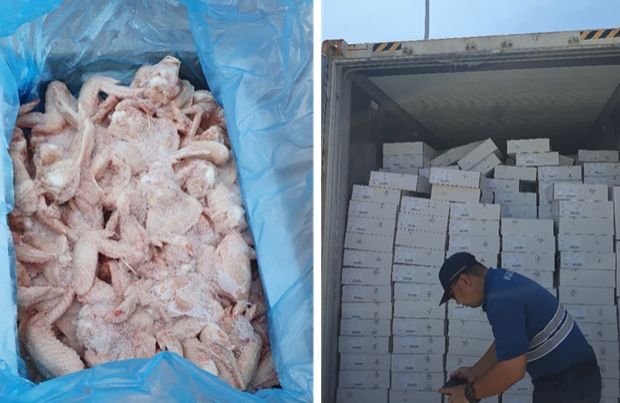
In a significant operation underscoring the relentless vigilance of border security, the Malaysian Border Control and Protection Agency (AKPS) has successfully seized four containers laden with frozen chicken wings, valued at an estimated RM1.5 million (approximately USD 317,000). The dramatic interception, which occurred after the consignment's contents were found to be inconsistent with its declared information, has cast a spotlight on the intricate and often shadowy world of illicit trade and food product smuggling within Southeast Asia. This incident is not merely about mislabeled goods; it represents a deeper struggle against economic fraud, potential health risks, and the erosion of regulatory integrity.
The seizure, announced by AKPS on a recent Friday, serves as a stark reminder of the sophisticated methods employed by those seeking to circumvent established trade laws. While the specific nature of the discrepancy has not been fully detailed, such cases often involve attempts to evade import duties, bypass stringent health and safety inspections, or even smuggle prohibited items disguised as legitimate cargo. The sheer volume and value of the seized goods suggest a well-organized operation, prompting a broader inquiry into the networks facilitating such activities across Malaysian borders.
The Anatomy of a Seizure: Unpacking the AKPS Operation
The Malaysian Border Control and Protection Agency (AKPS) operates at the forefront of national security and economic protection, tasked with safeguarding Malaysia's vast borders against a multitude of threats, from illegal immigration to contraband smuggling. Their recent success in intercepting the frozen chicken wing consignment demonstrates their enhanced capabilities and commitment to upholding national regulations. The operation likely involved a combination of intelligence gathering, risk assessment, and meticulous physical inspection, a process that is both resource-intensive and critical for effective border management.
Key aspects of the AKPS seizure include: * Four 40-foot containers: Indicating a large-scale commercial operation rather than a small-time individual attempt. * RM1.5 million value: Highlighting the significant financial stakes involved for the perpetrators and the potential revenue loss for the government. * Discrepancy in declared information: This is the core of the violation, suggesting either deliberate misdeclaration to avoid taxes/duties, or to bypass health/quality standards. * Frozen chicken wings: A high-demand commodity, making it a lucrative target for illicit trade, especially if sourced from unapproved or cheaper origins.
This incident is not isolated. AKPS and other regional agencies frequently report seizures of various goods, from agricultural products to luxury items, all pointing to a persistent challenge in maintaining supply chain integrity. The agency's swift action underscores Malaysia's commitment to protecting its domestic markets, ensuring consumer safety, and enforcing international trade agreements.
A Broader Context: Illicit Trade in Southeast Asia
The seizure of the frozen chicken wings is symptomatic of a larger, more pervasive issue of illicit trade that plagues Southeast Asia. The region, with its bustling trade routes, porous borders, and diverse economies, presents fertile ground for smuggling operations. Food products, in particular, are frequently targeted due to high consumer demand, varying import tariffs, and often less stringent checks compared to, say, pharmaceuticals or electronics. The illicit trade in food products poses several grave risks:
* Economic Impact: It deprives governments of legitimate tax revenue, distorts market prices, and unfairly disadvantages legitimate businesses that adhere to regulations. * Food Safety and Health Risks: Unregulated food products may not meet safety standards, potentially containing harmful bacteria, unauthorized additives, or being improperly stored, leading to public health crises. * Organized Crime: Smuggling operations are often linked to larger organized crime syndicates, funding other illegal activities and undermining national security. * Environmental Concerns: Illegal imports can introduce invasive species or products from unsustainable sources, impacting local ecosystems.
According to a 2020 report by the Asia Business Crime Centre, illicit trade costs ASEAN economies billions of dollars annually, with food and agricultural products being among the most commonly smuggled categories. This incident in Petaling Jaya adds another data point to this troubling trend, emphasizing the need for enhanced regional cooperation and robust enforcement mechanisms.
The Road Ahead: Strengthening Border Controls and Consumer Protection
In the wake of such seizures, the focus inevitably shifts to prevention and deterrence. For Malaysia, this means continuous investment in advanced surveillance technologies, better training for border personnel, and fostering stronger intelligence-sharing networks with international partners. The complexity of modern supply chains demands a multi-faceted approach, integrating technology with human expertise.
Key strategies for combating illicit trade include: * Technological Advancement: Utilizing AI, blockchain, and advanced scanning equipment to detect discrepancies and track goods more effectively. * Inter-Agency Collaboration: Strengthening cooperation between customs, police, health ministries, and other relevant bodies both domestically and internationally. * Public Awareness Campaigns: Educating consumers about the risks associated with purchasing unregulated or smuggled goods. * Stricter Penalties: Implementing deterrent penalties for those involved in illicit trade to discourage future attempts.
This incident also serves as a critical reminder for businesses and consumers alike. Businesses must ensure due diligence in their supply chains, verifying the legitimacy of their suppliers and adhering strictly to import regulations. Consumers, on their part, should be vigilant about the origin and quality of the food products they purchase, reporting suspicious activities to authorities.
Conclusion: A Continuous Battle for Integrity and Safety
The seizure of RM1.5 million worth of frozen chicken wings by AKPS is more than just a headline; it's a testament to the ongoing, often unseen, battle waged by border agencies against those who seek to exploit loopholes for profit. While this particular operation represents a victory for regulatory enforcement, it also highlights the persistent and evolving nature of illicit trade. As global supply chains become increasingly complex, the challenge of ensuring product integrity and consumer safety will only intensify. Malaysia, through the diligent efforts of agencies like AKPS, continues to stand firm in its commitment to protecting its borders, its economy, and the well-being of its citizens. The investigation into this seizure will undoubtedly uncover more layers, potentially exposing larger networks and prompting further actions to fortify the nation's defenses against such clandestine operations. This incident serves as a powerful reminder that vigilance, collaboration, and unwavering commitment are paramount in the continuous fight for a secure and transparent global marketplace.
Stay Informed
Get the world's most important stories delivered to your inbox.
No spam, unsubscribe anytime.
Comments
No comments yet. Be the first to share your thoughts!