Mandela's Legacy: Reassessing the Presidency of a Global Icon
Nelson Mandela, a global symbol of reconciliation, is often lauded for guiding South Africa from apartheid to democracy. This article delves into his presidential tenure, examining both his monumental achievements in nation-building and the complex challenges and constraints he faced in governing a deeply divided society.
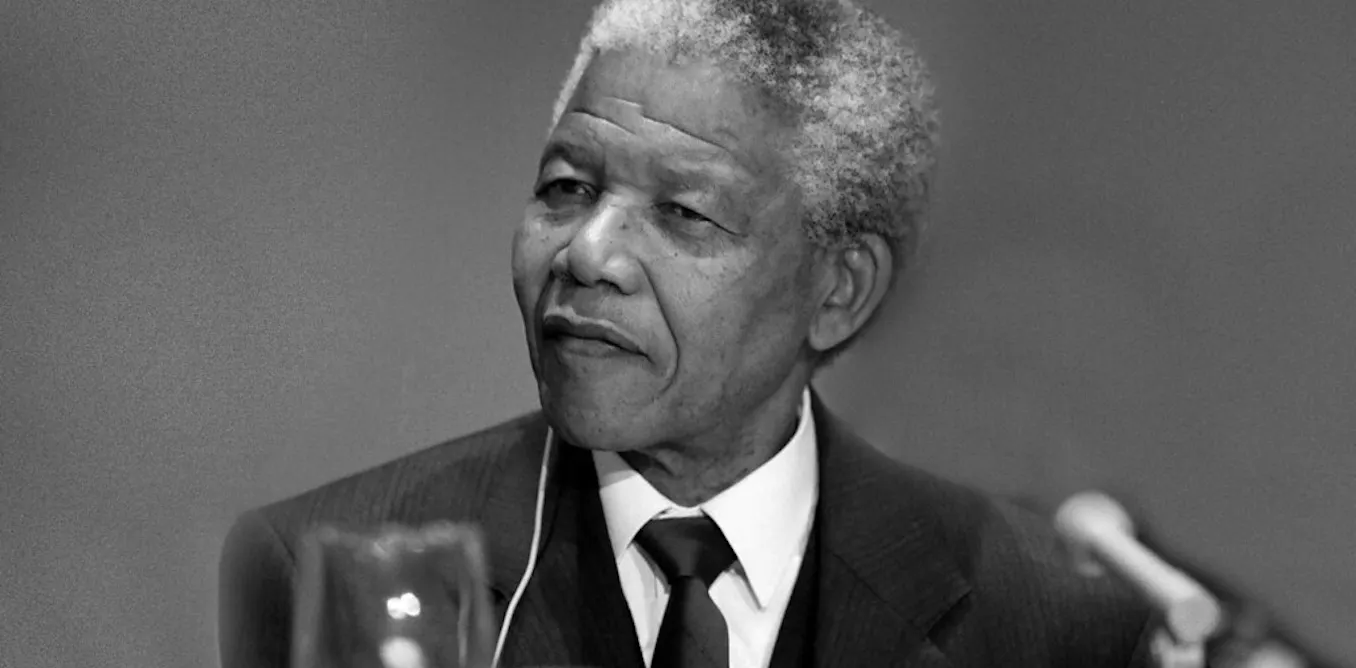
Nelson Mandela remains an unparalleled figure in modern history, his name synonymous with racial reconciliation, justice, and the peaceful transition from oppression to democracy. His release from prison in 1990 and subsequent election as South Africa's first Black president in 1994 captivated the world, offering a beacon of hope for post-conflict societies everywhere. Yet, as the dust settles decades after his presidency, a more nuanced assessment emerges: how effective was this global symbol as a head of state, operating within the intricate constraints of a nascent democracy?
Mandela's primary and most enduring achievement as president was undoubtedly the consolidation of South Africa's democratic transition. He skillfully navigated a deeply fractured nation, preventing the widespread civil conflict many had predicted. His unwavering commitment to reconciliation, epitomized by the Truth and Reconciliation Commission (TRC), sought to heal the wounds of apartheid rather than exact retribution. This moral leadership was crucial in forging a new national identity and laying the groundwork for a truly inclusive society. His ability to unite disparate factions, from former liberation fighters to apprehensive white minorities, under the banner of a 'Rainbow Nation' was a masterclass in political statesmanship.
However, the challenges Mandela faced were immense, and his presidency was not without its critics or its limitations. Inheriting a country scarred by decades of institutionalized racism, vast economic inequality, and deep social divisions, the task of transformation was monumental. While his government made significant strides in providing basic services like housing, water, and electricity to previously disadvantaged communities, the structural economic disparities inherited from apartheid proved far more intractable. The promise of radical economic transformation, often championed by segments of the ANC, was tempered by the need to maintain investor confidence and avoid capital flight, leading to more cautious, market-friendly policies.
Furthermore, critics sometimes point to a perceived lack of direct engagement with the day-to-day minutiae of governance, suggesting that Mandela, as an elder statesman and moral compass, often delegated operational responsibilities. While this allowed him to focus on nation-building and international diplomacy, it also meant that some domestic policy implementations faced bureaucratic hurdles or lacked the immediate, forceful intervention that might have accelerated change. The HIV/AIDS epidemic, for instance, became a significant public health crisis during his successor Thabo Mbeki's tenure, but the foundational responses (or lack thereof) were shaped in the earlier years.
Mandela's presidency, which lasted only one term by his own choice, was perhaps always intended to be a transitional one – a bridge from the old to the new. His role was less about executing every policy detail and more about embodying the spirit of a new South Africa, establishing democratic institutions, and setting a moral precedent. He instilled a sense of national purpose and demonstrated that forgiveness could pave the way for progress. His global stature also provided South Africa with invaluable diplomatic leverage and attracted international support for its fledgling democracy.
In retrospect, reassessing Mandela's effectiveness as president requires acknowledging the extraordinary circumstances under which he governed. He was not merely a political leader but a moral architect, tasked with rebuilding a nation's soul. While economic disparities and social challenges persist in South Africa today, the democratic foundations he so carefully laid remain robust. His presidency was a testament to the power of principled leadership, demonstrating that even the most revered figures operate within real-world constraints, yet can still achieve the seemingly impossible through vision, courage, and an unwavering commitment to humanity.