MariBank's Widening Losses: A Deep Dive into Digital Banking's Challenging Landscape
MariBank Singapore reported wider losses of S$55.6 million in FY2025, primarily due to increased allowances for credit and other losses. Despite this, the digital bank saw a significant rise in total income, reaching S$37.4 million. This performance highlights the complex financial dynamics faced by new digital banking entities, balancing growth with risk management in a competitive market. The report sparks questions about the long-term viability and strategies of digital-only financial institutions.
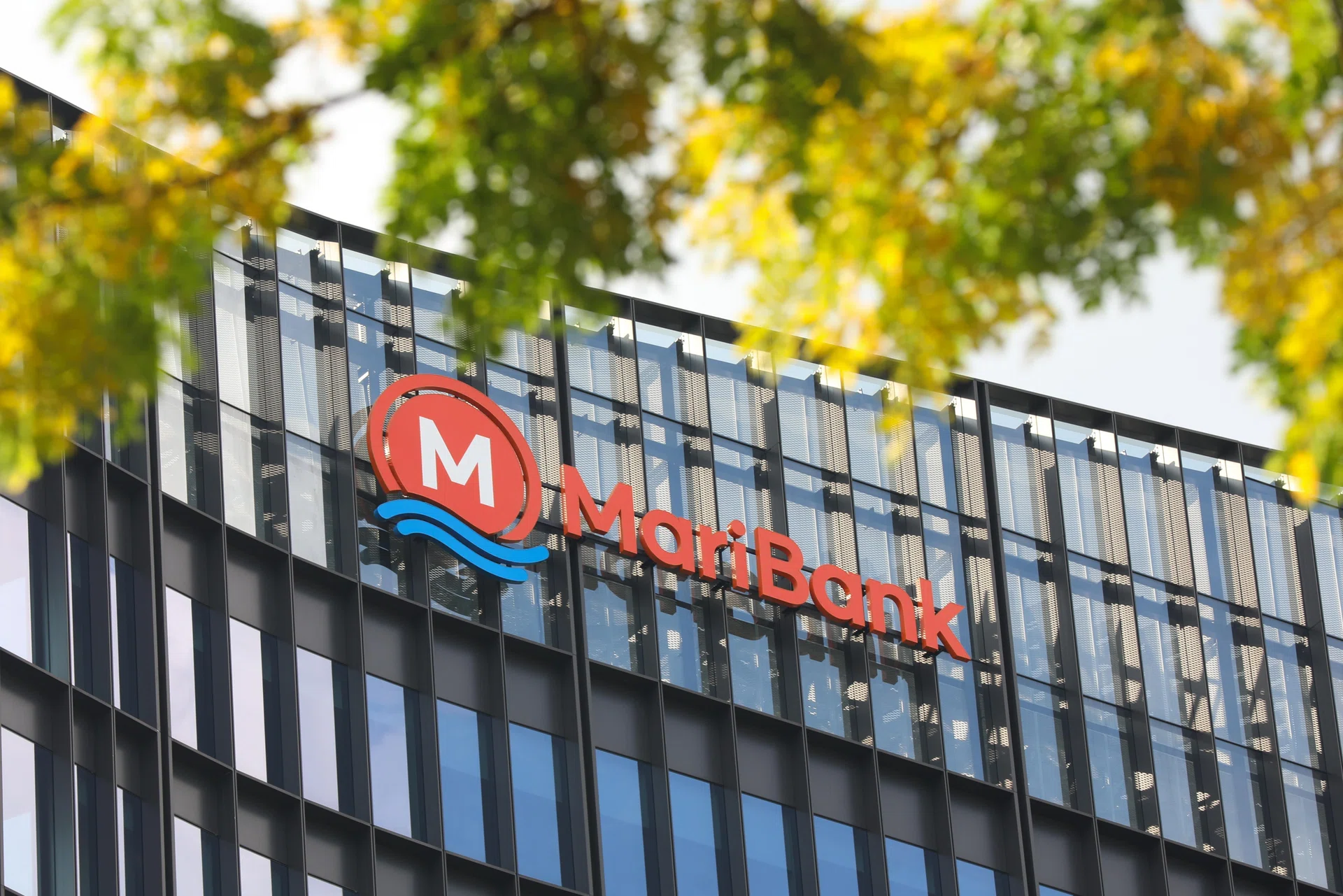
The digital banking revolution promised a leaner, more agile, and customer-centric financial future. Yet, the latest financial disclosures from MariBank Singapore paint a nuanced picture, revealing the inherent challenges in translating innovation into sustained profitability. On Monday, April 27, the digital bank announced a widening of its losses to S$55.6 million in FY2025, an increase from S$51.3 million in the previous fiscal year. This escalation in red ink is primarily attributed to higher allowances for credit and other losses, a critical indicator of the risks MariBank is navigating as it expands its loan book and customer base.
Despite the larger losses, there's a silver lining that underscores the bank's operational momentum: a substantial surge in total income to S$37.4 million, up from S$24.4 million in FY2024. This growth, driven by a robust increase in net interest income from S$22.2 million to S$30 million, suggests strong underlying business activity and successful customer acquisition. However, the juxtaposition of rising income and expanding losses forces a closer examination of the digital banking model, particularly in the competitive and highly regulated Singaporean market.
The Anatomy of Losses: Credit Allowances and Growth Pains
The primary driver behind MariBank's increased losses is the allocation of higher allowances for credit and other losses. In banking, these allowances are provisions set aside to cover potential defaults on loans or other financial instruments. An increase in these provisions often signals one of two things: either the bank is growing its loan portfolio aggressively, taking on more risk, or it's anticipating a deterioration in the credit quality of its existing loans. For a nascent digital bank like MariBank, which is still in its growth phase, the former is more likely. As it expands its lending activities to attract customers and build market share, it naturally exposes itself to a larger pool of potential defaults, necessitating higher provisions.
This phenomenon is not unique to MariBank. Many challenger banks and fintech lenders globally have faced similar hurdles. The initial phase of growth often involves significant investment in technology, marketing, and customer acquisition, coupled with a willingness to extend credit to segments potentially underserved by traditional banks. While this strategy can lead to rapid customer growth and increased income, it also carries elevated risk. The challenge lies in finding the sweet spot where growth is sustainable, and risk is adequately managed without stifling innovation or accessibility.
Income Growth: A Beacon Amidst the Storm?
MariBank's total income soared by over 53% year-on-year, a testament to its operational effectiveness and market penetration. The net interest income – the difference between the interest earned on assets (like loans) and the interest paid on liabilities (like deposits) – saw a significant jump. This indicates that MariBank is successfully attracting deposits and deploying them into interest-earning assets. The increase in net interest income is a crucial metric for any bank, signaling its ability to generate revenue from its core lending activities. For a digital bank, this also implies successful adoption of its digital platforms for deposits and loans, suggesting that its user experience and product offerings are resonating with customers.
However, the question remains: can this income growth outpace the rising costs and provisions? The path to profitability for digital banks is often longer and more arduous than initially projected. They operate with lower overheads than traditional banks but face intense competition from both incumbents and other digital players. Moreover, they must navigate stringent regulatory requirements while simultaneously innovating to stay ahead. MariBank's ability to continue this income trajectory while simultaneously optimizing its risk management framework will be crucial for its future financial health.
The Singaporean Digital Banking Landscape: A Battleground
Singapore's financial market is highly competitive, with a mix of established global and local banks, and a burgeoning digital banking sector. The Monetary Authority of Singapore (MAS) awarded four digital bank licenses in 2020, aiming to foster innovation and competition. MariBank, backed by the Sea Group, a technology conglomerate, is one of these licensees. These digital banks were expected to disrupt the traditional banking model, offering more personalized, efficient, and accessible services.
However, the journey has been anything but smooth. Operating in a market with high customer expectations and a sophisticated financial infrastructure requires significant investment and a robust strategy. The initial years are often characterized by heavy investment in technology, cybersecurity, and regulatory compliance, leading to substantial losses. The long-term success hinges on building a sustainable business model that can eventually turn a profit. The performance of MariBank, along with its peers, will be closely watched as a bellwether for the broader digital banking experiment in the region.
Expert Analysis and Future Implications
Financial analysts suggest that MariBank's current performance is a typical trajectory for a growth-stage digital bank. "It's a classic case of aggressive market entry leading to higher provisions," says Dr. Evelyn Tan, a financial sector analyst. "The key is to monitor the quality of their loan book and their ability to scale efficiently. The income growth is positive, but the widening losses indicate they are still in the investment phase, prioritizing market share over immediate profitability." This perspective aligns with the broader understanding that digital banks often require a longer runway to achieve profitability compared to traditional financial institutions.
The implications for customers are also significant. A robust digital banking sector can lead to better services, lower fees, and more innovative products. However, the financial stability of these new entrants is paramount. Regulators like MAS are tasked with ensuring that digital banks maintain sufficient capital and risk management frameworks to protect depositors and maintain financial stability. MariBank's performance will undoubtedly influence how regulators and investors view the viability and risk profile of digital-only banks in the future.
Concluding Thoughts: The Road Ahead for Digital Banking
MariBank's FY2025 results underscore the complex and often contradictory dynamics at play in the digital banking sector. While the impressive growth in total income signals strong market acceptance and operational effectiveness, the widening losses due to higher credit allowances highlight the inherent risks and significant investments required to establish a foothold. The journey to profitability for digital banks is a marathon, not a sprint, characterized by a delicate balancing act between aggressive growth, prudent risk management, and continuous innovation.
For MariBank, the immediate future will involve demonstrating a clear path towards narrowing these losses while sustaining its income growth. This will likely entail refining its credit assessment models, diversifying its revenue streams beyond pure interest income, and leveraging its technological edge to achieve greater operational efficiencies. The broader digital banking industry will be watching closely, as MariBank's trajectory could offer valuable lessons for other aspiring digital financial institutions globally. The promise of digital banking remains potent, but its realization demands resilience, strategic foresight, and an unwavering commitment to sustainable financial practices.
Stay Informed
Get the world's most important stories delivered to your inbox.
No spam, unsubscribe anytime.
Comments
No comments yet. Be the first to share your thoughts!