Material Maker 1.6 Unleashed: Open-Source 3D Texturing Levels Up for Indie Devs
The latest iteration of Material Maker, version 1.6, has been released, bringing a host of new features that solidify its position as a powerful, free alternative to commercial 3D texturing software like Substance 3D Designer. With innovations such as the Controlled Variations system and an impending Steam release, this open-source tool is poised to democratize high-quality material creation for independent game developers and digital artists. This article explores its impact, new capabilities, and future prospects.
In the dynamic world of 3D content creation, where cutting-edge visuals often come with hefty price tags, a quiet revolution has been brewing. Material Maker, the open-source procedural material authoring software, has consistently offered a powerful, free alternative to industry giants. Now, with the release of Material Maker 1.6, developed by the visionary Rod Zilla, this accessible tool is not just catching up; it's charting its own course, introducing features that could fundamentally alter how independent creators approach texturing. This update, coupled with its anticipated Steam debut in July 2026, marks a significant milestone for the democratization of high-fidelity 3D asset development.
For years, the barrier to entry for professional-grade 3D texturing has been considerable. Software like Adobe's Substance 3D Designer, while incredibly robust, often requires a subscription that can be prohibitive for hobbyists, students, and small indie studios. Material Maker emerged as a beacon of hope, providing a node-based workflow similar to its commercial counterparts, but entirely free and open-source. This philosophy fosters a vibrant community, allowing users to inspect, modify, and contribute to the software's development, leading to rapid innovation and tailored features. The 1.6 release is a testament to this collaborative spirit, packing in new functionalities that directly address the evolving needs of its user base.
The Dawn of Controlled Variations: A Game-Changer for Material Diversity
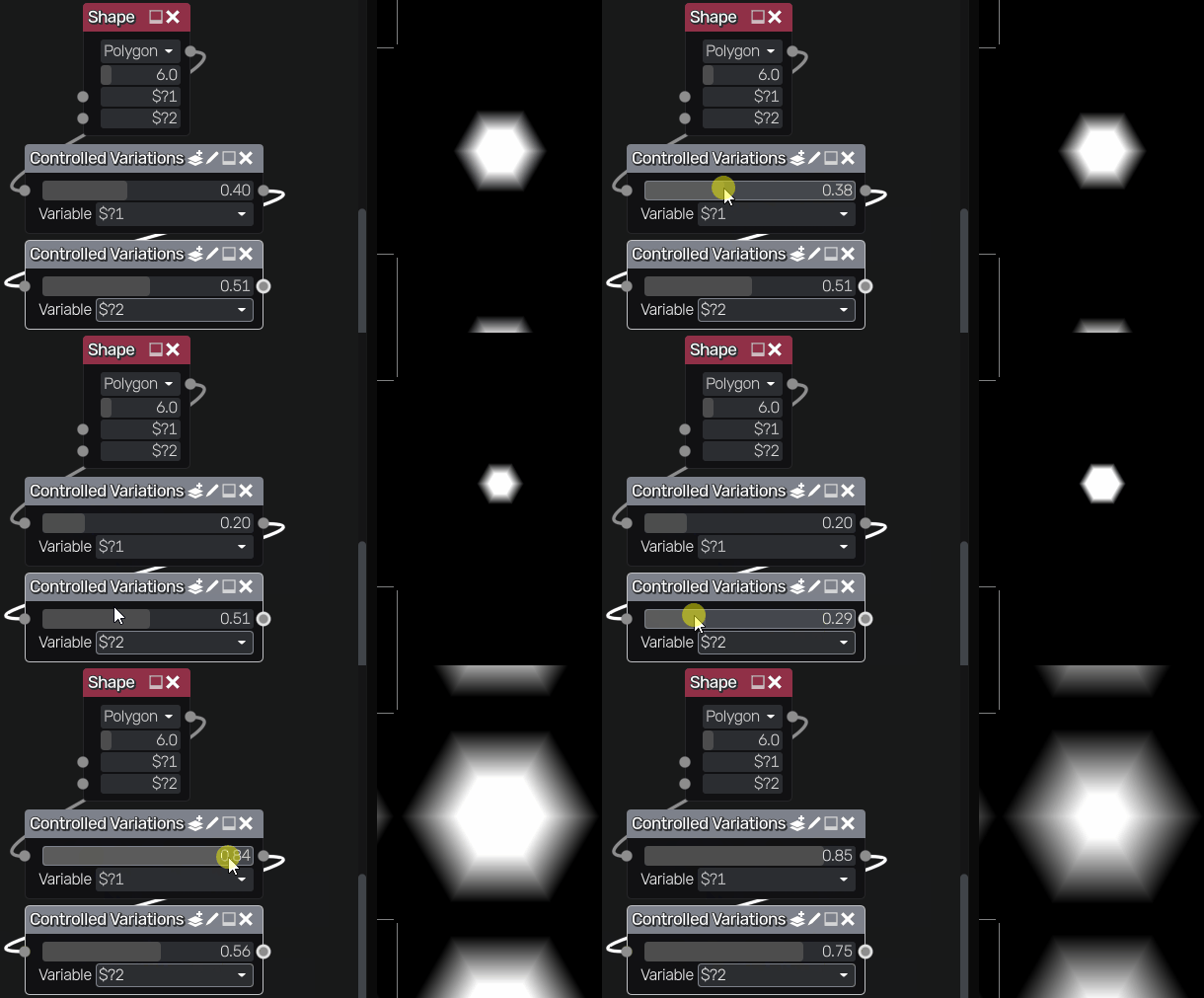
Among the most exciting additions in Material Maker 1.6 is the Controlled Variations system. This innovative feature allows artists to generate multiple, distinct versions of a single material while maintaining a cohesive aesthetic. Imagine needing a dozen slightly different brick textures for a ruined castle wall, or various wood grains for a forest scene, all derived from a single master material. Traditionally, this would involve tedious manual adjustments or complex scripting. Controlled Variations streamlines this process, empowering creators to inject unparalleled diversity into their scenes with remarkable efficiency. This is particularly crucial for large-scale environments or games requiring a high degree of visual fidelity without repetitive assets.
The implications for game development are profound. Indie studios, often constrained by limited resources and tight deadlines, can now achieve a level of material variation previously reserved for AAA titles. This not only enhances visual realism but also significantly reduces the time spent on asset creation, allowing developers to focus on gameplay and narrative. Furthermore, the system encourages experimentation, enabling artists to quickly iterate through design choices and discover novel material combinations that might have been too time-consuming to explore otherwise. It represents a significant leap towards procedural generation that is both powerful and artist-friendly.
Enhanced Workflow and New Node Capabilities
Beyond Controlled Variations, Material Maker 1.6 introduces a suite of improvements designed to refine the user experience and expand creative possibilities. The update includes new nodes that extend the software's procedural capabilities, offering more granular control over various material properties. While specific details of every new node are extensive, they generally fall into categories such as advanced pattern generation, improved color manipulation, and more sophisticated blending options. These additions empower artists to craft increasingly complex and nuanced materials, from intricate metallic surfaces to organic textures with subtle imperfections.
Performance optimizations are also a key highlight. As procedural material graphs grow in complexity, computational demands can increase. Material Maker 1.6 includes under-the-hood enhancements that ensure a smoother, more responsive workflow, even with highly detailed materials. This is vital for maintaining productivity and preventing creative bottlenecks. The user interface has also seen subtle but impactful refinements, making navigation more intuitive and accessible for newcomers while retaining the power sought by experienced users. The commitment to both functionality and usability underscores Material Maker's mission to be a truly empowering tool for all.
The Steam Factor: Reaching a Wider Audience
Perhaps one of the most significant announcements related to Material Maker is its impending release on Steam in July 2026. While the software has always been freely available, its presence on a major distribution platform like Steam will dramatically increase its visibility and accessibility. The Steam trailer, which impressively showcases indie games already created with the software, serves as a powerful testament to its capabilities and potential. This move is not just about distribution; it's about validation and integration into the broader game development ecosystem.
Being on Steam will expose Material Maker to a vast audience of game developers, digital artists, and enthusiasts who might not otherwise discover open-source alternatives. It provides a centralized hub for downloads, updates, and community engagement, potentially fostering an even larger and more active user base. For Rod Zilla and the Material Maker community, this represents a strategic step towards solidifying its position as a mainstream tool, challenging the dominance of proprietary software and further championing the open-source ethos in the creative industries. The ease of installation and updates via Steam will remove technical hurdles for many, making it even easier for aspiring creators to dive into procedural material design.
The Broader Impact: Democratizing 3D Artistry
The rise of tools like Material Maker is part of a larger trend towards the democratization of 3D artistry and game development. Historically, the tools required to produce high-quality 3D content were expensive and complex, limiting participation to well-funded studios or individuals with significant financial resources. Open-source projects, however, are dismantling these barriers, making sophisticated technology available to everyone. Material Maker, alongside other open-source giants like Blender, is enabling a new generation of creators to bring their visions to life without financial constraints.
This shift has profound implications for innovation. When more people have access to powerful tools, the diversity of ideas and creative output inevitably increases. Indie games, short films, architectural visualizations, and even scientific simulations can all benefit from high-quality, custom materials crafted with tools like Material Maker. It fosters a more inclusive and dynamic creative landscape, where talent and ingenuity, rather than budget, become the primary drivers of success. The community-driven nature of open-source also means that the software evolves rapidly, adapting to user feedback and emerging industry trends much faster than many commercial alternatives.
A Glimpse into the Future of Material Creation
With Material Maker 1.6 now in the hands of artists and its Steam launch on the horizon, the future looks exceptionally bright for this open-source powerhouse. The continuous development, driven by a passionate community and dedicated developers, promises even more advanced features and integrations. We can anticipate further refinements to the Controlled Variations system, potentially leading to AI-assisted material generation or even more intuitive ways to blend and combine complex textures. The integration with game engines and other 3D software will likely become even more seamless, solidifying its role in modern production pipelines.
Material Maker is more than just a piece of software; it's a movement. It embodies the principle that powerful creative tools should be accessible to all, fostering innovation and empowering a global community of digital artists. As the 3D landscape continues to evolve, open-source solutions like Material Maker will play an increasingly vital role in shaping its future, ensuring that the next generation of visual masterpieces can emerge from anywhere, created by anyone. Its journey from a niche open-source project to a widely recognized and respected tool is a testament to the power of community and the enduring appeal of accessible, high-quality technology.
Stay Informed
Get the world's most important stories delivered to your inbox.
No spam, unsubscribe anytime.
Comments
No comments yet. Be the first to share your thoughts!