Mercedes-Benz CLA: The 'Chip-to-Cloud' Revolution Redefining Automotive Intelligence
The new Mercedes-Benz CLA, powered by the innovative MB.OS, is poised to redefine automotive technology. This 'chip-to-cloud' architecture promises constant updates, seamless integration, and a deeply personalized driving experience, signaling a significant leap towards software-defined vehicles. PulseWorld explores how this model is setting a new benchmark for intelligence and connectivity in the industry.
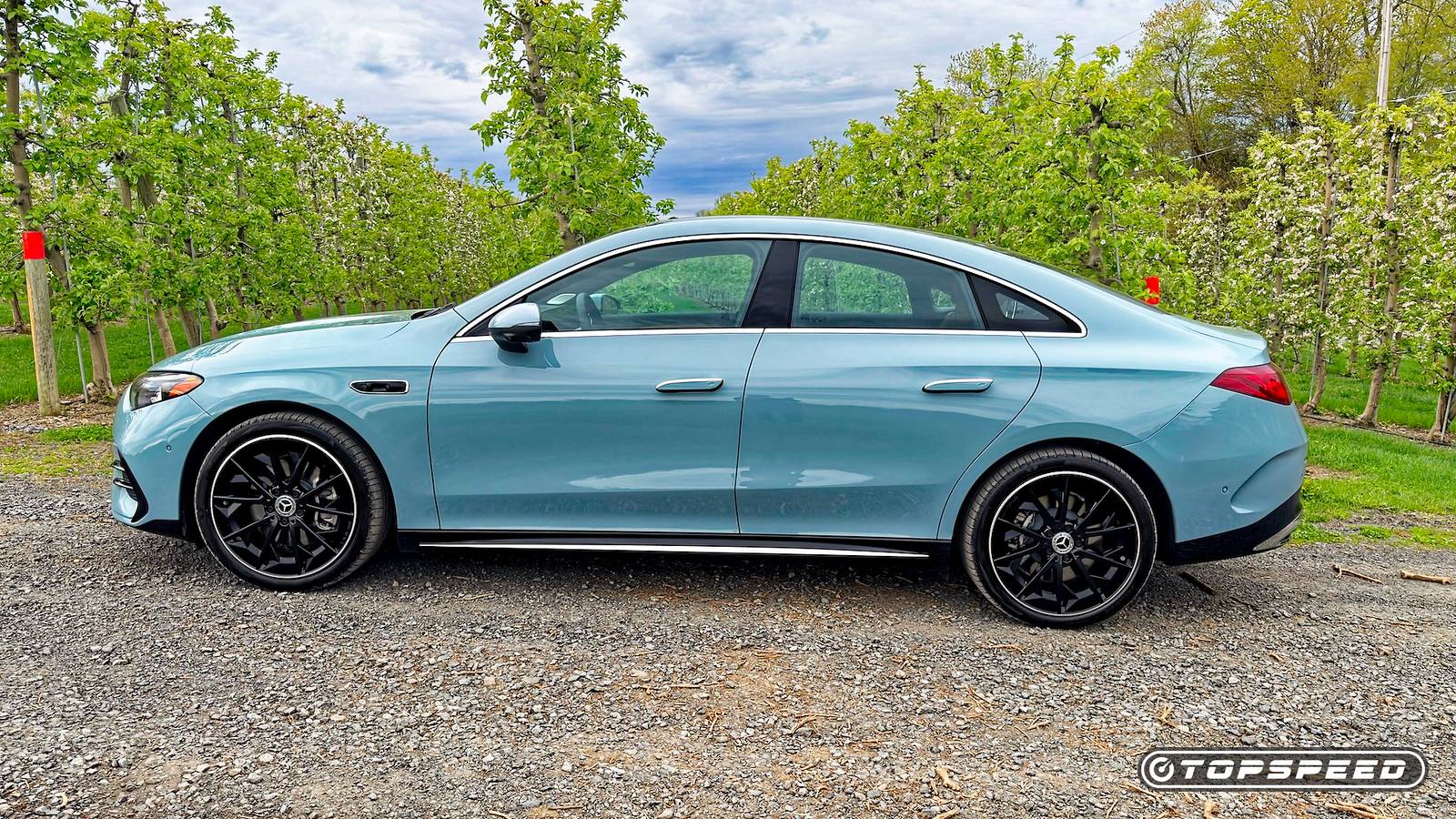
In a world where superlatives often fall short, especially at the intersection of automotive engineering and cutting-edge technology, Mercedes-Benz is making a bold claim. With the introduction of its new CLA model, featuring the groundbreaking MB.OS operating system, the German luxury automaker isn't just launching a new car; it's unveiling a vision for the future of mobility. This isn't merely about horsepower or luxury trim; it's about intelligence, connectivity, and an unprecedented level of integration, encapsulated in what Mercedes-Benz terms a 'chip-to-cloud' architecture.
For decades, cars have been primarily mechanical marvels, with electronics playing a supporting role. Today, the script has flipped. The modern vehicle is increasingly a sophisticated computer on wheels, and the CLA, with MB.OS, represents a significant inflection point in this evolution. It promises a car that doesn't just drive, but learns, adapts, and evolves, much like our smartphones and other connected devices. This deep dive by PulseWorld will explore the implications of this technological leap, the challenges it presents, and what it means for the discerning driver.
The Dawn of the Software-Defined Vehicle
The concept of a 'software-defined vehicle' (SDV) has been a buzzword in the automotive industry for some time, but with MB.OS, Mercedes-Benz is bringing it to tangible reality. At its core, MB.OS is a proprietary operating system designed from the ground up to manage every aspect of the vehicle, from infotainment and driver assistance systems to powertrain and chassis control. This holistic approach contrasts sharply with the fragmented, vendor-dependent software architectures prevalent in many current vehicles.
The 'chip-to-cloud' philosophy signifies an end-to-end integration. This means that the hardware (the 'chip') within the vehicle is tightly coupled with the software, which is constantly updated and managed through cloud-based services. This allows for: * Over-the-Air (OTA) Updates: Not just for infotainment, but for critical vehicle functions, improving performance, adding features, and enhancing safety throughout the car's lifecycle. * Personalization: Deep learning algorithms can tailor the driving experience to individual preferences, from seat settings and climate control to navigation routes and media choices. * Enhanced Security: A unified architecture allows for more robust cybersecurity measures, with constant monitoring and updates to protect against evolving threats. * New Revenue Streams: The ability to offer subscription-based services and features, much like the app store model, opening new possibilities for both manufacturers and third-party developers.
This shift is monumental. Historically, a car's capabilities were largely fixed at the point of sale. Now, a Mercedes-Benz CLA could potentially gain new functionalities years into its ownership, making it a continuously evolving asset rather than a depreciating static product.
MB.OS: A Deep Dive into its Architecture
MB.OS isn't just a fancy name; it's a complex ecosystem built on several pillars. It leverages advanced NVIDIA chip technology for its processing power, particularly for AI and graphics-intensive applications like augmented reality navigation and advanced driver-assistance systems (ADAS). This partnership underscores the industry's recognition that traditional automotive suppliers alone cannot deliver the necessary computational muscle.
The system is designed to be modular and scalable, allowing for different levels of functionality across various Mercedes-Benz models. This ensures that while the CLA might be the pioneer, the underlying architecture can be adapted for everything from entry-level sedans to flagship S-Class vehicles and even commercial vans. The 'cloud' aspect is equally critical, providing the infrastructure for data processing, machine learning, and secure communication channels for OTA updates and remote diagnostics.
Furthermore, MB.OS aims to create an open ecosystem for developers, albeit a controlled one. While Mercedes-Benz will retain tight control over core vehicle functions, there will be opportunities for third-party applications to integrate seamlessly, enriching the user experience. Imagine a car that can not only navigate you to your destination but also pre-order your coffee, suggest parking spots based on real-time availability, and even manage your smart home devices before you arrive.
The Implications for the Automotive Industry and Consumers
The introduction of MB.OS in the CLA has far-reaching implications, signaling a paradigm shift for both manufacturers and consumers. For the automotive industry, it intensifies the software arms race. Companies that fail to develop robust, integrated software platforms risk being left behind, much like traditional phone manufacturers struggled against the rise of iOS and Android.
* New Skill Sets: The demand for software engineers, AI specialists, and cybersecurity experts within automotive companies will continue to skyrocket. * Supply Chain Transformation: Relationships with traditional hardware suppliers will evolve, with a greater emphasis on semiconductor and software partners. * Competitive Landscape: Tech giants like Apple and Google, with their deep expertise in software and ecosystems, pose an even greater threat as they eye the automotive space.
For consumers, the benefits are clear: a more personalized, safer, and continuously improving driving experience. However, there are also considerations:
* Data Privacy: With increased connectivity comes increased data collection. Consumers will need assurances about how their driving data, personal preferences, and location information are used and protected. * Cost of Ownership: While OTA updates can extend a car's relevance, subscription models for features could alter the long-term cost of ownership. * Complexity: The sheer sophistication of these systems means that reliability and user-friendliness will be paramount. A buggy software update in a car is far more critical than on a smartphone.
Historical Context: From Mechanical to Digital
The journey to the software-defined vehicle has been decades in the making. Early automobiles were purely mechanical. The advent of electronics brought features like electric starters and radios. The 1970s and 80s saw the introduction of Engine Control Units (ECUs), marking the first significant integration of digital intelligence to manage engine performance and emissions. The 1990s brought anti-lock brakes (ABS) and airbags, relying on increasingly complex electronic systems.
The 2000s ushered in sophisticated infotainment systems, GPS navigation, and early forms of driver assistance. However, these systems often operated in silos, with different vendors supplying different components, leading to integration challenges. Tesla, with its vertically integrated software approach, demonstrated the potential of a unified architecture, pushing traditional automakers to accelerate their own software development.
Mercedes-Benz, with its long history of innovation, from the first automobile to pioneering safety features, is now leveraging this legacy to lead the charge into the digital age of motoring. MB.OS is not just an incremental improvement; it's a strategic pivot, recognizing that the car of the future is as much about code as it is about combustion or electric motors.
The Road Ahead: A Connected and Intelligent Future
The Mercedes-Benz CLA with MB.OS is more than just a new model; it's a statement of intent. It signifies a profound shift in how cars are designed, built, and experienced. As vehicles become increasingly autonomous, electric, and connected, the underlying software architecture will be the defining differentiator. The 'chip-to-cloud' approach promises a vehicle that is not only constantly updated but also deeply integrated into our digital lives, offering unparalleled convenience and safety.
However, the journey is not without its challenges. Cybersecurity threats will grow in sophistication, regulatory frameworks will need to adapt, and consumer trust in data handling will be paramount. Yet, the vision of a car that continuously improves, adapts to its owner, and integrates seamlessly into a broader digital ecosystem is a powerful one. The CLA, powered by MB.OS, is not just the most advanced car you can buy today; it's a tangible glimpse into the intelligent, connected future of personal transportation, setting a new standard for what we can expect from our vehicles in the years to come. This is the beginning of an exciting new chapter where the car truly becomes an intelligent partner on our journeys.
Stay Informed
Get the world's most important stories delivered to your inbox.
No spam, unsubscribe anytime.
Comments
No comments yet. Be the first to share your thoughts!