Microsoft's AI Rebranding: Copilot Vanishes from Notepad, But Its Essence Remains
Microsoft is quietly but decisively refining its AI integration strategy, starting with the popular Notepad application. Recent updates show the 'Copilot' branding disappearing from Notepad in Windows 11, signaling a shift towards more seamless, less intrusive AI experiences. This move reflects a broader industry trend of embedding AI capabilities without overt branding, aiming for utility over nomenclature.
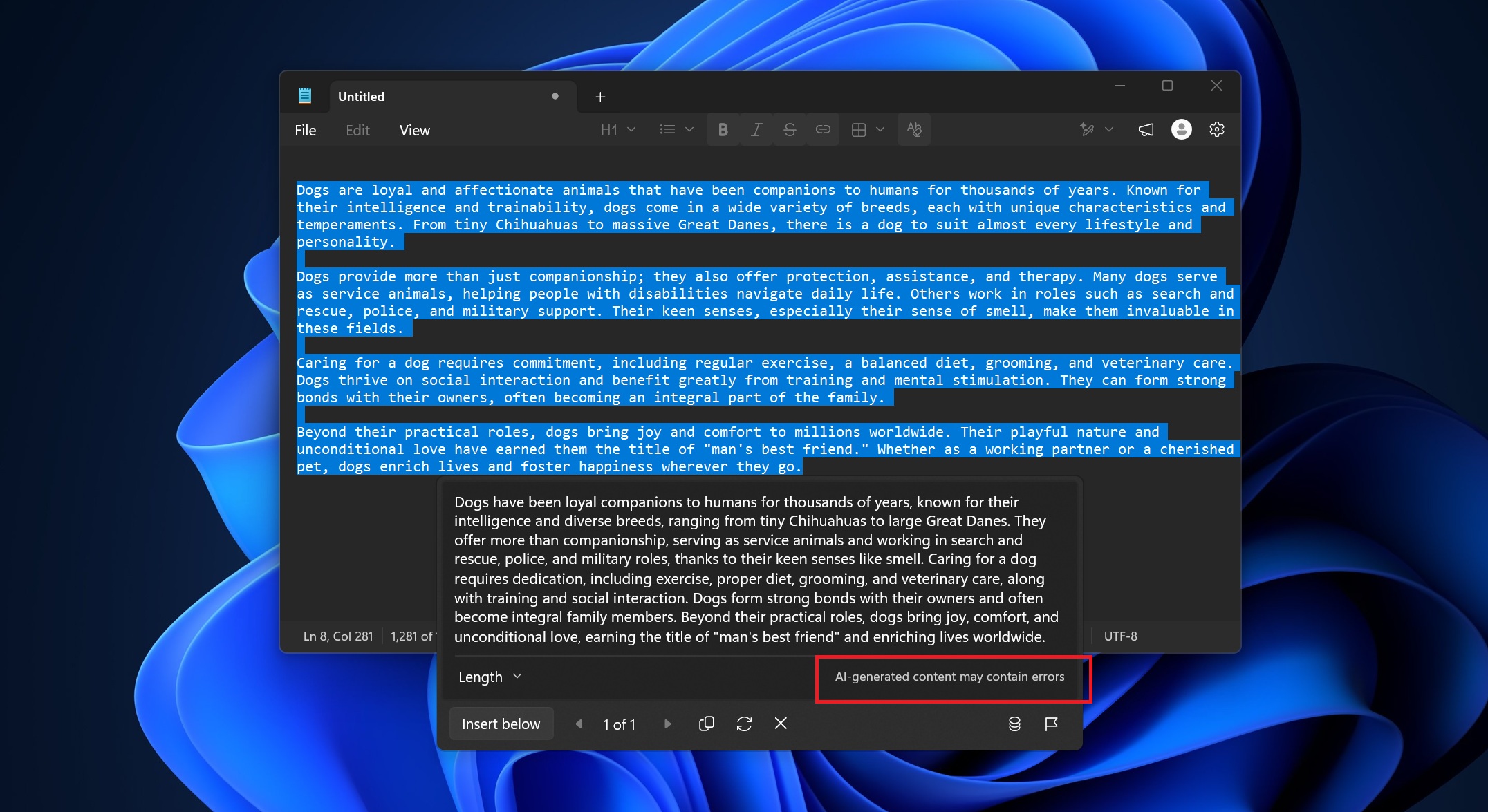
In the ever-evolving landscape of artificial intelligence integration, Microsoft is making a subtle yet significant strategic pivot. The tech giant, known for its ambitious push to embed AI across its product ecosystem, is reportedly removing the explicit Copilot branding from its venerable Notepad application within Windows 11. While the name may be vanishing, the underlying AI functionalities are not, marking a crucial step in how users will interact with AI in their daily computing tasks. This development, initially observed by Windows Insiders and now rolling out to production PCs, underscores a broader industry trend: the move towards ambient, integrated AI rather than overtly branded features.
For decades, Notepad has been a bastion of simplicity and reliability in the Windows operating system. Its unpretentious interface and core functionality as a plain text editor have endeared it to generations of users, from developers to casual note-takers. The initial integration of AI, particularly under the Copilot banner, was seen by some as an ambitious, perhaps even audacious, attempt to modernize this classic tool. However, the recent decision to reduce “unnecessary Copilot entry points” suggests a re-evaluation of how best to introduce powerful AI capabilities without disrupting established user workflows or overwhelming the user experience with pervasive branding.
The Strategic Retreat of a Brand Name
Microsoft's decision to drop the Copilot name from Notepad is not an abandonment of AI, but rather a strategic recalibration. The company had previously confirmed its intention to streamline AI integration, and this change in Notepad serves as a prime example. The core AI features, which might include intelligent text suggestions, summarization, or even code completion for developers using Notepad as a rudimentary IDE, are expected to remain. What's changing is the explicit label that draws attention to the AI's presence. This subtle shift could be interpreted in several ways. Firstly, it might indicate a desire to make AI feel more organic and less like an add-on. When AI becomes an invisible layer enhancing functionality, it can lead to a more intuitive and less intimidating user experience.
Secondly, it could be a response to user feedback. Early integrations of Copilot across various Microsoft applications sometimes felt forced or redundant, leading to a cluttered interface. By removing the explicit branding, Microsoft might be aiming to reduce cognitive load and allow users to discover and utilize AI features naturally, as part of the application's inherent capabilities, rather than as a separate entity. This approach aligns with the concept of 'invisible AI', where technology seamlessly assists without demanding explicit interaction or recognition.
Historical Context: AI Integration in Microsoft Ecosystem
Microsoft's journey with AI integration has been a long and winding one, predating the current Copilot era. From the early days of Clippy, the much-maligned but pioneering animated assistant, to the more sophisticated capabilities of Cortana, and now the pervasive Copilot, the company has consistently explored how AI can enhance productivity and user interaction. The launch of Copilot, powered by advanced large language models (LLMs), marked a significant leap, promising a future where AI acts as a true co-pilot across Windows, Microsoft 365, Edge, and GitHub.
The initial rollout of Copilot was characterized by a broad and sometimes aggressive branding strategy, aiming to establish the AI assistant as a central pillar of the Microsoft experience. However, the sheer ubiquity of the Copilot name, appearing in diverse applications from Word to Paint and even Notepad, may have inadvertently led to a sense of AI fatigue among some users. The current move to de-emphasize the branding in specific, less complex applications like Notepad suggests a more nuanced, application-specific approach to AI integration. This isn't a retreat from AI, but rather a refinement of its presentation, acknowledging that not every tool requires an explicit AI label to benefit from intelligent features.
Implications for Users and Developers
For the average Windows 11 user, the disappearance of the Copilot brand from Notepad might go unnoticed by many, which ironically, is likely Microsoft's intention. The goal is for the AI-powered enhancements to simply work, improving the user's experience without requiring them to consciously engage with an 'AI' feature. For those who rely on Notepad for quick edits or simple coding, the continued presence of underlying AI capabilities, even without the branding, could still offer benefits such as improved spell-checking, grammar suggestions, or even basic code formatting assistance, depending on the specific features retained.
For developers and power users, this shift highlights the ongoing evolution of how AI is packaged and delivered. It signals a move away from a one-size-fits-all AI branding strategy towards a more contextual and integrated approach. This could mean that future AI features in other applications might also adopt a less prominent branding, becoming more deeply embedded within the application's core functionalities. It also raises questions about the future of the Copilot brand itself. Will it be reserved for more complex, multi-application AI experiences, or will it eventually evolve into a more abstract concept of 'Microsoft AI' rather than a distinct product name?
The Broader Industry Context: Ambient AI and User Experience
Microsoft's decision is not an isolated incident but rather indicative of a broader trend in the technology industry. Companies are increasingly moving towards ambient intelligence, where AI operates in the background, anticipating user needs and providing assistance without explicit commands. Google's various AI integrations, Apple's intelligent features across iOS and macOS, and Amazon's Alexa all strive for a level of seamless integration where the AI fades into the utility of the product. The challenge lies in balancing powerful AI capabilities with a user experience that remains intuitive and uncluttered.
The initial enthusiasm for overtly branded AI assistants is giving way to a more pragmatic approach. Users want powerful tools, but they don't necessarily want to be constantly reminded that they are interacting with 'AI'. The focus is shifting from what the technology is called to how it enhances productivity and simplifies tasks. This refinement of strategy is crucial for the long-term adoption and acceptance of AI. If AI feels like a natural extension of an application, rather than an intrusive overlay, its utility will be maximized, and user friction minimized.
Conclusion: A More Mature Approach to AI Integration
Microsoft's quiet removal of the Copilot brand from Notepad, while retaining its underlying AI capabilities, represents a more mature and sophisticated approach to AI integration. It acknowledges that the ultimate goal of AI is to serve the user, not to assert its own presence through branding. This move suggests a future where AI is less about a specific name and more about an inherent capability – a silent partner enhancing every digital interaction. As AI continues to evolve, we can expect to see more of this 'invisible AI' paradigm, where powerful intelligence is woven seamlessly into the fabric of our software, making our tools smarter without necessarily drawing attention to the artificial intelligence itself. This refined strategy could well be the key to unlocking AI's true potential, making it an indispensable, yet unobtrusive, part of our digital lives. The future of AI, it seems, is less about the spotlight and more about the seamless background hum of intelligent assistance.
Stay Informed
Get the world's most important stories delivered to your inbox.
No spam, unsubscribe anytime.
Comments
No comments yet. Be the first to share your thoughts!