Millions of Baby Monitors Exposed: The Alarming Truth About Your Home's Digital Security
A recent cybersecurity report has unveiled a critical vulnerability affecting over a million network-connected Meari-made cameras, including popular baby monitors and home security devices. This flaw allowed unauthorized access to live feeds, raising serious privacy concerns for countless households. Experts are now urging consumers to re-evaluate their smart home security practices and demand greater accountability from manufacturers.
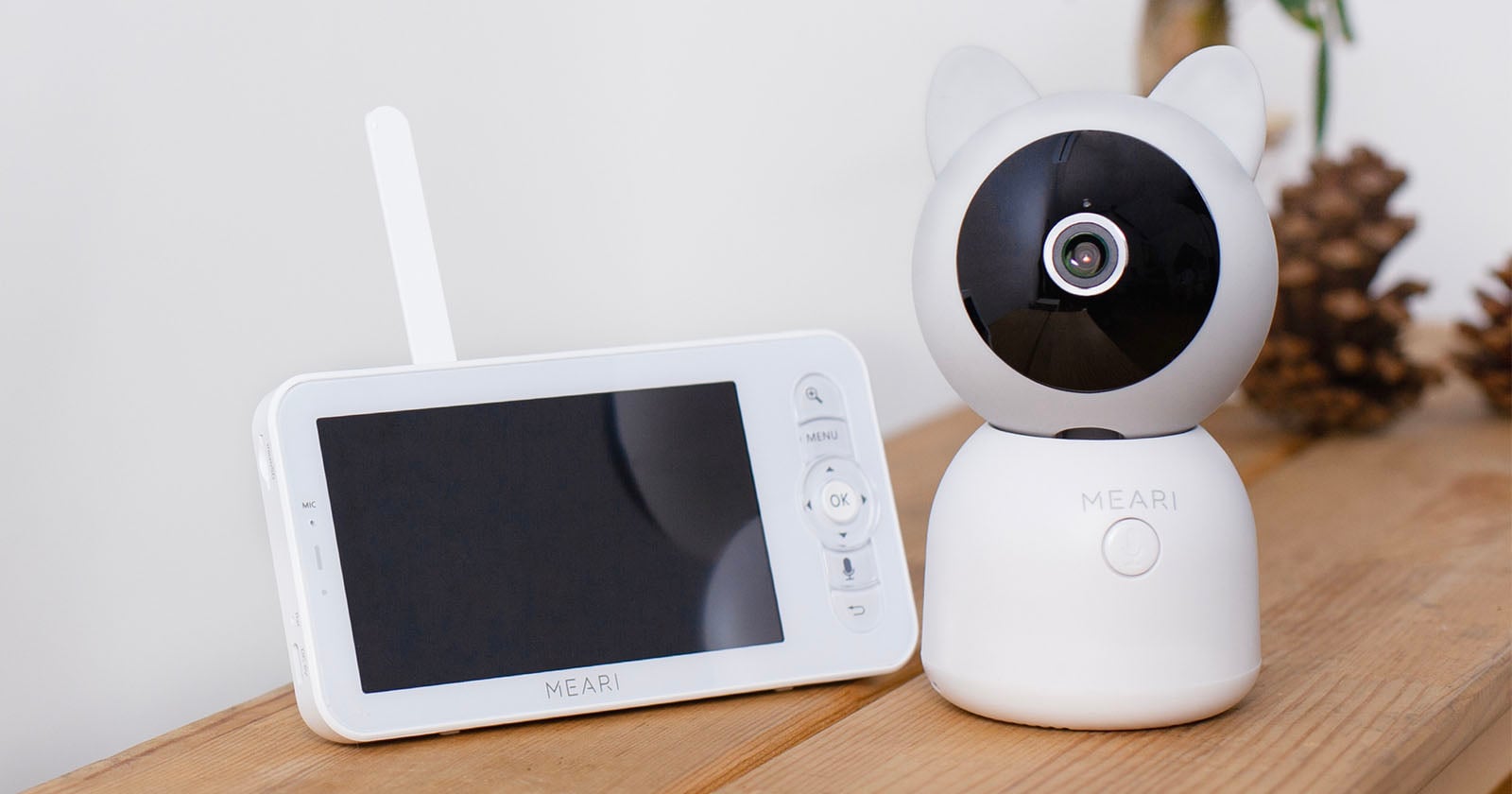
The unsettling reality of our hyper-connected world often comes with a hidden cost: privacy. A recent bombshell report has sent shivers down the spines of parents and homeowners alike, revealing that over a million network-connected cameras, many of them baby monitors, were easily accessible to anyone with basic technical know-how. This wasn't a sophisticated, targeted attack; it was a fundamental flaw in design, leaving countless households exposed to potential surveillance from anywhere in the world.
Imagine the most intimate moments of your family life – your child sleeping peacefully, your pet playing, or simply the daily comings and goings within your home – being streamed live to unknown viewers. This nightmare scenario became a reality for users of various Meari-made cameras, sold under different brand names, highlighting a pervasive and often overlooked weakness in the burgeoning smart home ecosystem. The incident underscores a critical question: in our rush to embrace convenience, have we inadvertently sacrificed our fundamental right to privacy?
The Anatomy of a Breach: How "Anyone" Could Watch
The vulnerability stemmed from a significant lapse in security protocols. According to The Verge's investigation, the issue wasn't a complex hack but rather a simple, exploitable backdoor. Many of these devices, particularly those manufactured by Meari, were configured with weak or default credentials that were either easily guessable or, in some cases, publicly known. Furthermore, some devices lacked proper authentication mechanisms, allowing direct access to video streams without requiring a username or password. This meant that a vast array of devices, from baby monitors designed to reassure anxious parents to security cameras meant to deter intruders, inadvertently became open windows into private lives.
Cybersecurity researchers discovered that these cameras were often connected to cloud services that, due to misconfigurations or poor security practices, inadvertently exposed their feeds. The sheer scale of the exposure – estimated at over a million devices – is staggering. It wasn't just a handful of isolated incidents; it was a systemic failure that put a significant portion of the smart camera market at risk. The ease with which these feeds could be accessed highlights a disturbing trend: manufacturers prioritizing speed to market and low cost over robust security measures.
A Troubling Pattern: Historical Context of IoT Vulnerabilities
This isn't an isolated incident but rather a recurring theme in the history of the Internet of Things (IoT). From smart refrigerators broadcasting Wi-Fi passwords to smart doorbells with insecure data transmission, the IoT landscape has been plagued by security vulnerabilities since its inception. In 2016, the Mirai botnet famously hijacked thousands of insecure IoT devices, including cameras, to launch massive distributed denial-of-service (DDoS) attacks, crippling major websites. More recently, vulnerabilities have been found in everything from smart thermostats to children's toys, demonstrating a consistent failure to embed security by design.
The problem is exacerbated by the fragmented nature of the IoT market. Devices are often produced by numerous manufacturers, many of whom are smaller players lacking the resources or expertise to implement enterprise-grade security. Furthermore, the lifecycle of these devices often extends beyond the support period, meaning vulnerabilities discovered years after purchase may never be patched. Consumers, often unaware of the underlying technology, assume a certain level of inherent security, an assumption that is frequently proven false.
The Human Impact: Beyond the Technical Glitch
The implications of such a breach extend far beyond technical jargon. For parents, the thought of strangers watching their children is deeply disturbing. It erodes the fundamental sense of safety and sanctity associated with one's home. The psychological toll of knowing that intimate family moments could have been compromised can be significant, leading to anxiety, distrust, and a profound sense of violation. This isn't just about data; it's about the emotional security of individuals and families.
Moreover, the exposed feeds could potentially be exploited for nefarious purposes. Stalkers, burglars, or even child predators could use this information to gather intelligence about routines, home layouts, or the presence of children. The potential for real-world harm is immense, transforming a digital vulnerability into a tangible threat to physical safety and well-being. The breach serves as a stark reminder that smart devices, while offering convenience, also introduce new vectors for crime and exploitation.
Expert Insights and Recommendations for a Safer Smart Home
Cybersecurity experts are unanimous in their call for greater vigilance. Dr. Evelyn Reed, a leading privacy advocate, states, "This incident is a wake-up call for both consumers and manufacturers. We cannot continue to treat security as an afterthought. It must be foundational." She emphasizes the need for consumers to be proactive:
* Research Before You Buy: Investigate the security track record of manufacturers. Look for devices with strong encryption, two-factor authentication (2FA), and regular firmware updates. * Change Default Passwords Immediately: This is perhaps the simplest yet most overlooked step. Use strong, unique passwords for every device. * Isolate IoT Devices: Consider setting up a separate Wi-Fi network (a VLAN or guest network) for your smart devices to prevent them from accessing your main home network. * Regularly Update Firmware: Manufacturers often release patches for known vulnerabilities. Enable automatic updates or check manually. * Understand Data Practices: Read privacy policies. Know what data your devices collect and how it's used. * Consider Necessity: Ask yourself if a device truly needs to be connected to the internet. Sometimes, simpler, non-connected alternatives are safer.
For manufacturers, the message is clear: security by design must become the industry standard. Regulatory bodies are also increasingly scrutinizing IoT security, with some governments proposing legislation to mandate minimum security requirements for connected devices. The pressure is mounting for companies to prioritize consumer safety over profit margins.
The Path Forward: Reclaiming Digital Sanctuary
The Meari camera vulnerability is a sobering reminder that our digital lives are inextricably linked to our physical security. As smart homes become more ubiquitous, the responsibility for safeguarding our privacy falls on multiple shoulders: manufacturers must build secure products, regulators must enforce standards, and consumers must educate themselves and adopt best practices. The promise of the smart home is convenience and efficiency, but this promise can only be fully realized if it is built on a foundation of trust and robust security. Until then, every connected device remains a potential doorway into our most private spaces, demanding our constant vigilance and a critical re-evaluation of what we invite into our homes. The journey toward a truly secure digital sanctuary is ongoing, and incidents like this serve as crucial, albeit uncomfortable, milestones along the way.
Stay Informed
Get the world's most important stories delivered to your inbox.
No spam, unsubscribe anytime.
Comments
No comments yet. Be the first to share your thoughts!